Pakistan set for central contract changes as Mikes Hesson urges investment in young players: Report
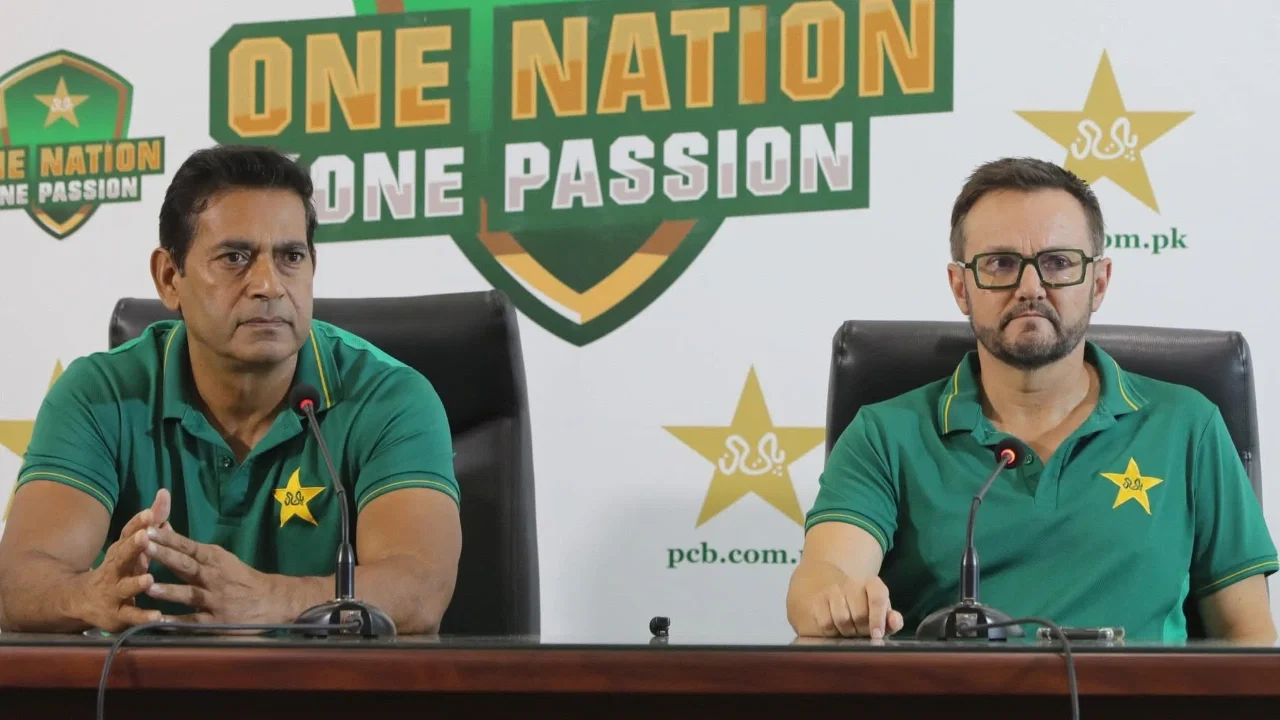
Pakistan Central Contracts: Mike Hesson Reportedly Backs a New Generation
Pakistan’s recent tri-series triumph has brought renewed attention to the team’s changing balance between experienced internationals and emerging talent. After defeating Sri Lanka by three wickets in the final, the Men in Green are reportedly preparing for a significant reshuffle in their central contracts for the 2026–27 season.
Head coach Mike Hesson is said to have recommended a group of promising young cricketers to the Pakistan Cricket Board (PCB). The board has not confirmed the list, and the final contract decisions are still pending. If the reports prove accurate, the selections could signal a stronger emphasis on developing players who have impressed in domestic and international cricket.
Tri-Series Win Gives Pakistan’s Young Players a Platform
Pakistan’s ODI form has had its ups and downs. The side struggled in a home series against Bangladesh, but responded with a far more convincing showing in the tri-series featuring England and Sri Lanka. Pakistan lost only one match in the tournament and finished by edging Sri Lanka in a tense final.
Led by Shaheen Shah Afridi, the team showed greater confidence and resilience. The final victory was particularly valuable because it required Pakistan to manage pressure rather than rely on a straightforward win. Young players, including Saad Baig and Arafat Minhas, reportedly made strong contributions during the competition, with Baig producing an important innings in the final.
The tournament also offered a useful prediction of how Pakistan’s next phase could take shape: a more energetic lineup, with emerging players competing for places alongside established names. Still, one successful series is only part of the picture. Consistency across formats and conditions will likely determine who earns long-term backing from the PCB.
Reported List of Young Players in Contract Discussions
According to a report cited by NDTV, Hesson has recommended 13 young cricketers for the upcoming central contracts. The reported names are Arafat Minhas, Saad Baig, Hasan Nawaz, Akif Javed, Ali Reza, Ahsan Daniyal, Sufiyan Muqeem, Maaz Sadaqat, Razaullah, Azan Avais, Imran Randhawa, Abdullah Fazal and Ghazi Ghori.
These players represent a range of roles and skill sets, giving the selectors options to strengthen different parts of the squad. A central contract can provide more than financial security: it can help players plan their training, receive consistent support and focus on the demands of elite cricket. For younger members of the group, recognition could also be a meaningful step toward regular selection.
However, the reported recommendations should not be treated as an official announcement. The PCB has yet to confirm which players will be contracted, the categories they may receive or whether the final list will differ from Hesson’s suggestions. Contract status also does not guarantee a place in the playing XI; selection will continue to depend on performance, fitness and team requirements.
Mohammad Rizwan and Imam-ul-Haq Reportedly at Risk
The reported changes could affect senior players as well as newcomers. The same report suggests that Mohammad Rizwan and Imam-ul-Haq may be left out of the next central-contract list. Both have experienced periods in and out of the national setup, and neither has recently enjoyed the kind of uninterrupted ODI run that would make their position unquestioned.
Rizwan and Imam have previously played important roles for Pakistan, so any decision to omit them would be significant. But central contracts are reviewed according to the board’s priorities, and selectors may be weighing recent form, availability and the opportunities needed to develop younger players. A contract decision would not necessarily mark the end of either player’s international career, though it could indicate that their immediate standing has changed.
A source quoted in the report said some experienced players could be removed from the list, adding that Hesson wants promising youngsters who can contribute on and off the field to be rewarded and encouraged. That approach suggests the coach is looking beyond short-term results and considering the depth and culture of the dressing room.
Established Players Expected to Retain Their Places
Several of Pakistan’s leading players are reportedly expected to keep their contracts. The names include the captains across the three formats—Babar Azam, Shaheen Shah Afridi and Sahabzada Farhan—as well as Salman Ali Agha, Saud Shakeel, Haris Rauf, Naseem Shah, Fakhar Zaman and Saim Ayub.
Some selections may still prompt debate among supporters. Ayub’s reported retention, for example, could be assessed against his recent form, but contract decisions often reflect a longer view than a player’s latest scores. The PCB may consider potential, role, fitness and the need to maintain a settled core as well as current performance.
PCB Decision Expected as World Cup Planning Begins
The PCB is reportedly considering separate contract categories for red-ball and white-ball cricket. Such a structure would allow the board to recognise players whose strongest contributions come in a particular format, while making it easier to plan workload and squad depth. The previous contracts expired on July 31, but the new list has not yet been announced.
PCB chairman Mohsin Naqvi and chief selector Aaqib Javed are expected to review the recommendations. Their decision comes with the next ODI World Cup on the horizon, making contract planning an important part of Pakistan’s broader preparation. The board will need to balance investment in emerging players with stability among those who remain central to the team.
Upcoming Sri Lanka Tests Offer Another Test of Depth
Pakistan’s next assignment is a two-match Test series against Sri Lanka. The red-ball contest will be a different challenge from the tri-series, particularly for players hoping to establish themselves across formats. It is also important for Pakistan’s position in the World Test Championship standings, where the team is currently near the bottom of the table.
The final contract list will provide a clearer picture of the PCB’s priorities, but the larger question is whether Pakistan can turn promising performances into sustained progress. The tri-series has given young players a timely opportunity to make their case. Now, the board must decide how to reward that momentum while keeping experienced performers motivated and the national side competitive.
Latest News
Mark Chapman, Rachin Ravindra ruled out of India ODIs; New Zealand name replacements
Virat Kohli is on the verge of breaking multiple records against New Zealand
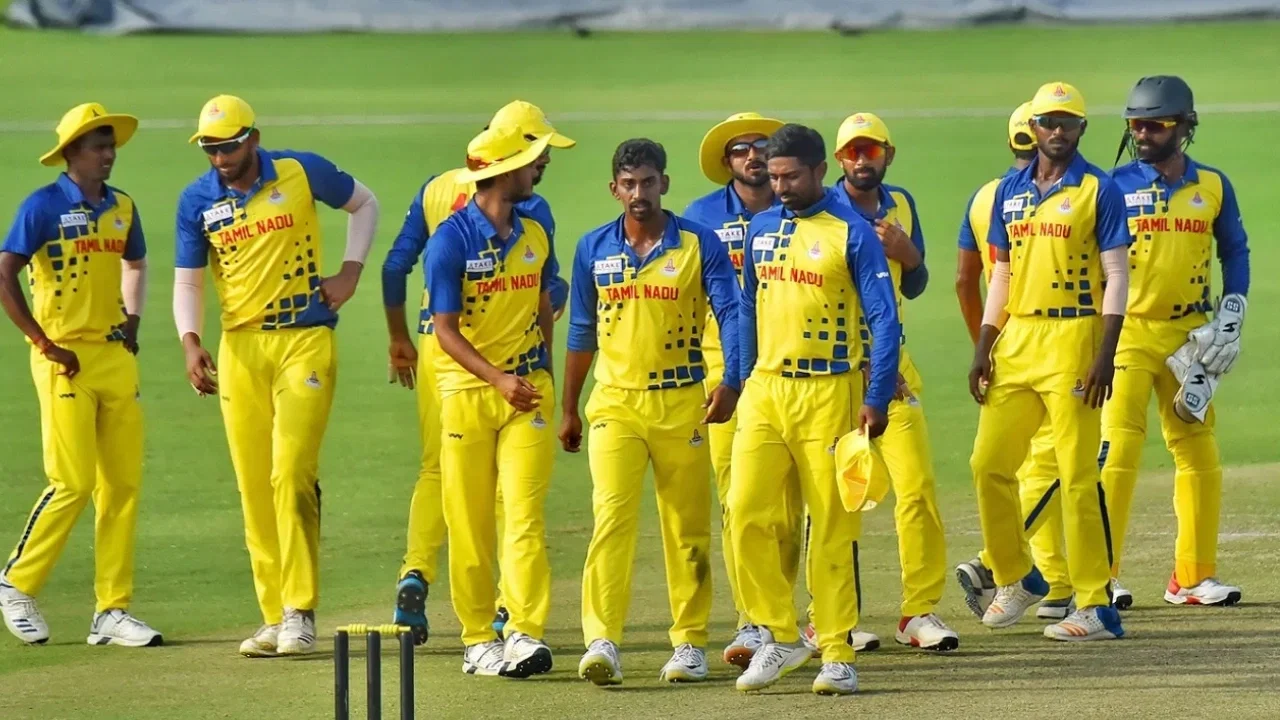
Tamil Nadu reveal full squad for SMAT 2026-27, Sai Kishore named captain
Pakistan set for central contract changes as Mikes Hesson urges investment in young players: Report
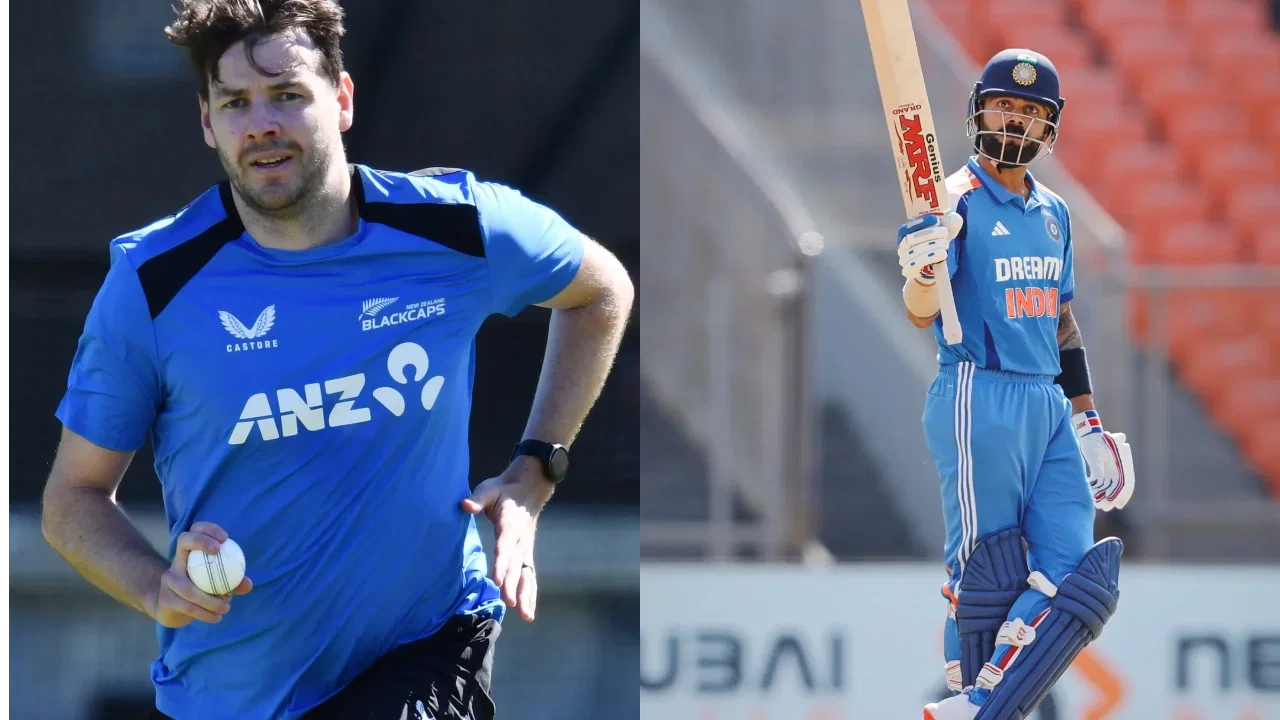
Jacob Duffy calls Virat Kohli a “religious figure” in India, praises his humility
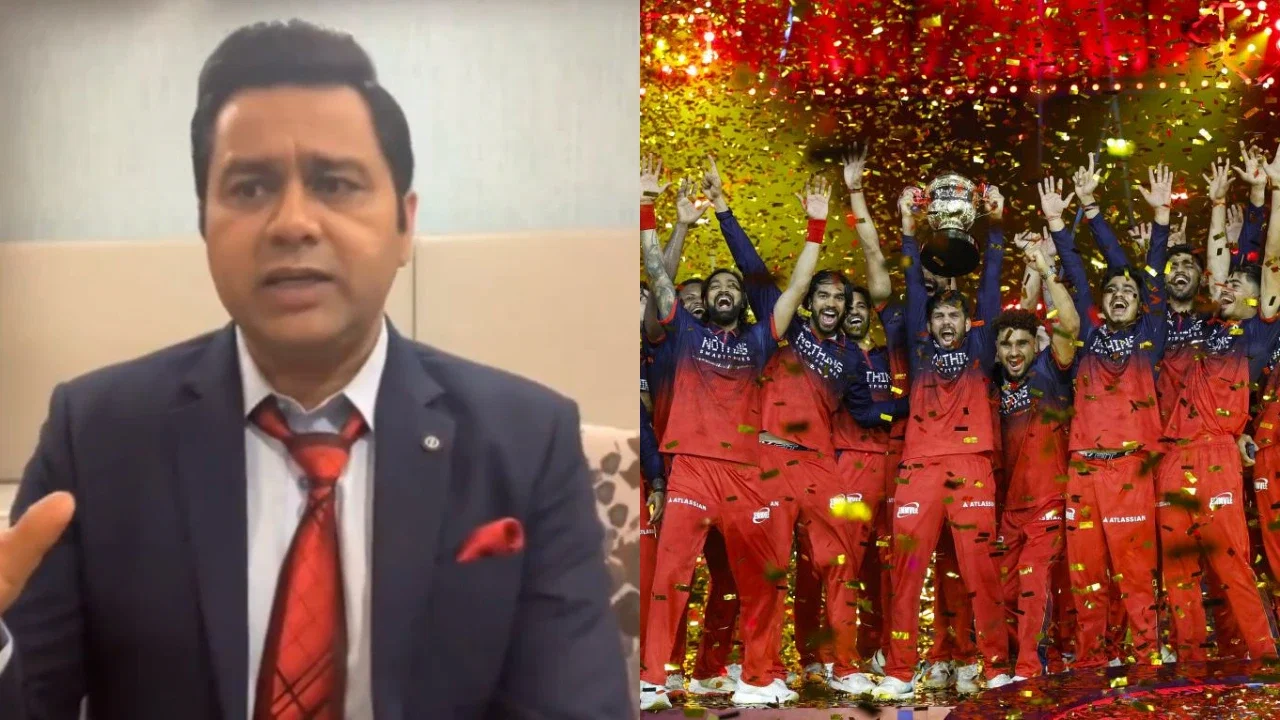
Aakash Chopra names 5 players RCB must retain and 1 star they should release ahead of IPL 2027 Auction
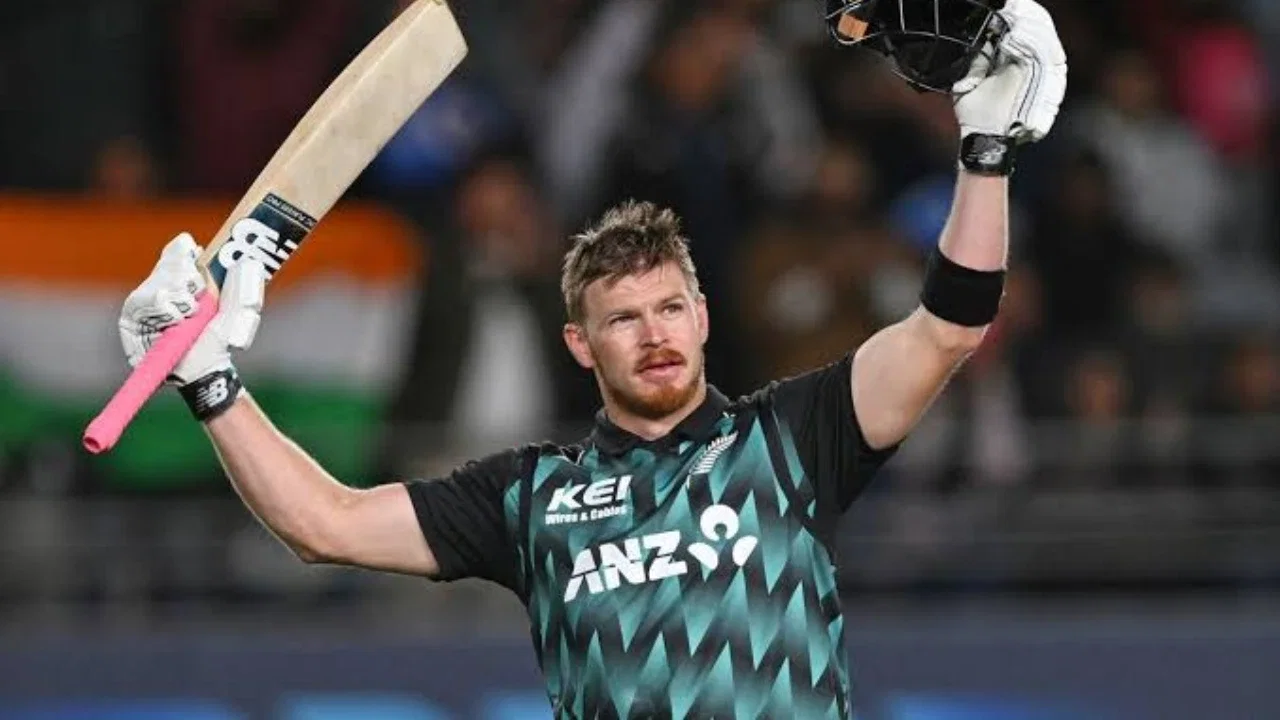
Glenn Phillips sets world record for most runs in a bilateral T20I series
“Could’ve been the other way”: Mitchell Santner reflects on New Zealand’s 3-2 series loss to India
Bhuvneshwar Kumar to be dropped from India T20I squad after New Zealand series?
Glenn Phillips shares key to his success after winning Player of the Series against India
“Ready to take the bullet”: Gautam Gambhir takes responsibility after India’s consecutive defeats vs New Zealand
“I don’t have an update yet”: Gautam Gambhir shares latest update on Rishabh Pant’s availability
Shreyas Iyer brings New Zealand’s famous Mana Wave celebration after quickfire fifty vs New Zealand
Mohammad Yousaf asks PCB to send Babar Azam back ‘to an academy in England or Australia’