Mohammad Yousaf asks PCB to send Babar Azam back ‘to an academy in England or Australia’
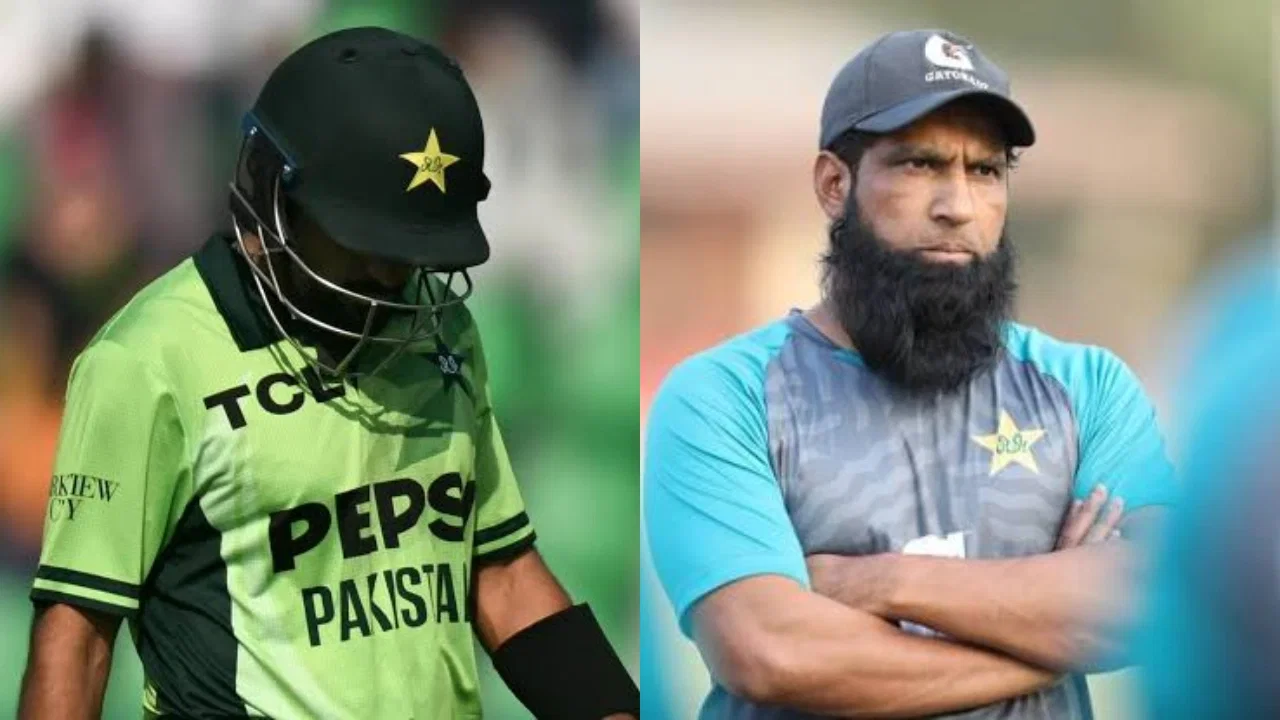
Mohammad Yousaf Urges PCB to Give Babar Azam Specialist Coaching Before First-Class Return
Former Pakistan captain Mohammad Yousaf has urged the Pakistan Cricket Board (PCB) to take a careful, tailored approach to Babar Azam’s return to form. Rather than sending the struggling batter straight into first-class cricket, Yousaf believes Pakistan should arrange specialist coaching for him—potentially at an academy in England or Australia—to address technical issues and help rebuild his confidence.
The advice follows Babar’s disappointing performance in the final of the recent tri-nation ODI series. Pakistan defeated Sri Lanka to lift the trophy, but Babar was dismissed for a duck, adding another difficult outing to a run of performances that has prompted debate about his form and future role in the side.
Yousaf warns against a rushed return to domestic cricket
In a post on X, Yousaf said he did not think Babar should immediately be playing first-class matches while technical concerns remain unresolved. His reasoning is that another stretch of low scores—even in domestic competition—could place further pressure on a batter already facing intense scrutiny.
“I don’t think Babar Azam should be playing first-class cricket until he fixes his technical issues through specialized coaching,” Yousaf wrote. He recommended sending the former Pakistan captain to an academy in England or Australia, adding that Babar still has the ability to return to his best with the right guidance and effort.
Yousaf also said he had made a similar recommendation several years ago. His latest comments reflect a broader discussion in Pakistan cricket: how to support established players who are out of form without allowing a temporary slump to deepen into a longer-term loss of confidence.
A difficult final in a high-scoring match
The tri-nation series final was played at Lahore’s Gaddafi Stadium on October 31. It featured several strong batting performances, with Sri Lanka’s Kamindu Mendis and Pavan Rathnayake among the players who made an impression. Pakistan also had contributions from Fakhar Zaman, Saad Baig and Arafat Minhas as the match produced plenty of attacking cricket.
Babar, however, could not make a meaningful contribution, scoring a single run before his dismissal. One innings does not define a player’s ability, but the timing of the failure—on a major occasion and amid questions about his form—made it particularly noticeable. For a batter long regarded as one of Pakistan’s most dependable run-scorers, the gap between past expectations and recent results has become a central talking point.
Why a specialist programme could matter
Yousaf’s proposal is not simply about giving Babar time away from competition. It points to a structured period of technical assessment and practice, where coaches could examine his setup, footwork, shot selection and responses to different lengths and lines. An overseas academy could also offer access to varied training conditions and experienced coaches, although the quality and purpose of the programme would matter more than its location.
For a high-profile player, targeted coaching can provide a quieter environment than international cricket, where every innings is judged against public expectations. It may allow a batter to work through specific adjustments without the immediate pressure of needing to produce a match-winning score. Any such plan would need to be designed around Babar’s individual game rather than treated as a generic solution.
At the same time, first-class cricket can be valuable for rebuilding rhythm. Longer innings give batters more opportunity to settle, respond to changing conditions and develop patience. The question raised by Yousaf is whether Babar would benefit more from that competitive exposure now, or from addressing technical concerns first. The PCB and team management would need to weigh both options carefully.
Pakistan’s wider challenge: balancing development and results
Yousaf’s comments arrive amid continuing scrutiny of Pakistan’s results in international cricket, including performances at major ICC events. Former players and analysts have frequently called for stronger domestic structures, arguing that consistent preparation and competitive opportunities are essential for developing future internationals.
That debate also applies to established stars. Domestic cricket can help players regain form, but it is not automatically a cure for every technical or mental challenge. A thoughtful plan might combine specialist coaching with carefully selected match opportunities, regular feedback and clear performance goals. Such a pathway could give Babar a chance to rebuild without making each appearance feel like a public verdict on his career.
There is also a wider lesson for the PCB: player management may need to be more individualised. Some cricketers regain confidence through regular competition; others benefit from stepping back briefly to work on a specific weakness. The best approach depends on the player’s condition, the nature of the problem and the demands of the upcoming schedule.
Can Babar Azam return to his best?
Yousaf remains confident that Babar can recover his form, describing him as one of Pakistan’s leading players and saying the right guidance could help him return to his best. That optimism is significant: the former captain’s criticism is paired with an argument for protecting and developing Babar’s talent, rather than writing him off after a difficult period.
For supporters searching for a Babar Azam form prediction, the immediate outlook is uncertain. A single score cannot settle the question, and a technical adjustment may take time to translate into consistent runs. But Babar’s experience and record mean that a well-planned comeback remains possible. The key will be whether the PCB, coaching staff and player can agree on a practical route that addresses the underlying concerns.
Whether that route involves an academy in England or Australia, domestic matches, or a combination of both, the next steps will be closely watched. Yousaf’s message is clear: do not rush Babar back into the spotlight without first giving him the support he needs. For Pakistan, helping a senior batter rediscover confidence could be as important as preparing the next generation of talent.
Latest News

Mark Chapman, Rachin Ravindra ruled out of India ODIs; New Zealand name replacements
Virat Kohli is on the verge of breaking multiple records against New Zealand
Tamil Nadu reveal full squad for SMAT 2026-27, Sai Kishore named captain

Pakistan set for central contract changes as Mikes Hesson urges investment in young players: Report

Jacob Duffy calls Virat Kohli a “religious figure” in India, praises his humility

Aakash Chopra names 5 players RCB must retain and 1 star they should release ahead of IPL 2027 Auction

Glenn Phillips sets world record for most runs in a bilateral T20I series

“Could’ve been the other way”: Mitchell Santner reflects on New Zealand’s 3-2 series loss to India
Bhuvneshwar Kumar to be dropped from India T20I squad after New Zealand series?
Glenn Phillips shares key to his success after winning Player of the Series against India
“Ready to take the bullet”: Gautam Gambhir takes responsibility after India’s consecutive defeats vs New Zealand
“I don’t have an update yet”: Gautam Gambhir shares latest update on Rishabh Pant’s availability

Shreyas Iyer brings New Zealand’s famous Mana Wave celebration after quickfire fifty vs New Zealand
Mohammad Yousaf asks PCB to send Babar Azam back ‘to an academy in England or Australia’