

Ishan Kishan creates history, becomes India’s highest T20I run-scorer in a calendar year
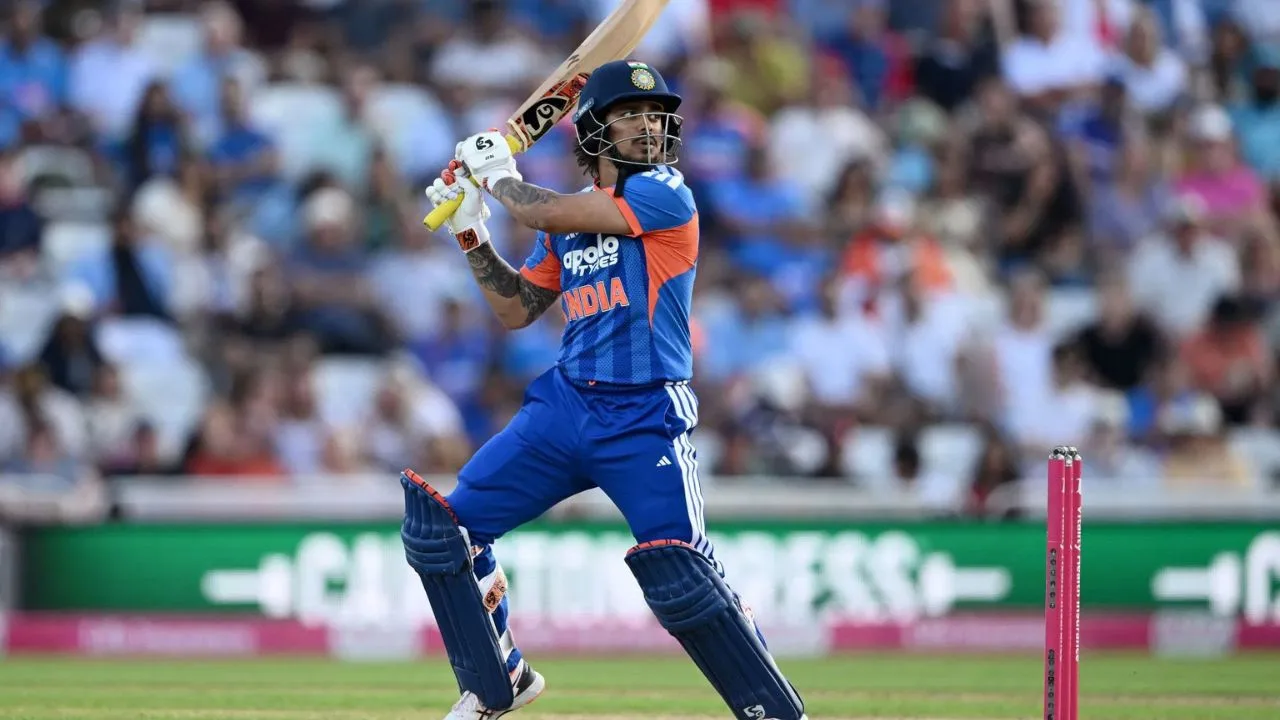
Ishan Kishan Sets New Indian Record for Most T20I Runs in a Calendar Year
Ishan Kishan made history in the fifth T20I against New Zealand, becoming the Indian batter with the most runs in the format in a single calendar year. The left-handed wicketkeeper-batter needed only six runs to surpass Suryakumar Yadav’s previous benchmark of 1,164, and reached the milestone with his fourth delivery at Seddon Park in Hamilton.
The record added a compelling storyline to the final match of the five-game series. Kishan had endured a disrupted campaign, with injury and a quiet return limiting his contribution in the earlier games. But in the series decider, he quickly turned the focus to a landmark that placed him alongside some of India’s most prolific T20I batters.
Record-Breaking Milestone in the Series Decider
New Zealand captain Mitchell Santner won the toss and chose to bowl on Sunday, November 1, giving India the first opportunity to bat in the series finale. Both teams made changes to their playing XIs, adding another layer of interest to a match that had already featured shifting momentum throughout the tour.
Kishan entered the innings six runs short of Suryakumar’s 2022 total. Suryakumar had scored 1,164 runs in 31 T20I appearances that year, setting the previous Indian record for the format in a calendar year. Kishan’s fourth delivery took him beyond that mark, making him the new record-holder.
Abhishek Sharma was also among the leading Indian run-scorers in a calendar year, with 1,153 runs in 2026. The figures underline the depth of India’s batting resources and the high standards required to lead the national team’s run charts across a full year of international T20 cricket.
India Recover After Losing Both Openers
The milestone came during a challenging start for India. New Zealand made an immediate impact after opting to bowl, removing both Indian openers inside the first four overs. Abhishek Sharma was dismissed cheaply by Adam Milne, while Sanju Samson scored four from 10 balls before losing his wicket.
At 19/2 after 3.1 overs, India needed a steady partnership to prevent the early breakthroughs from dictating the innings. Kishan and Shreyas Iyer responded by shifting the pressure back onto New Zealand’s bowlers. Rather than allowing the required scoring rate to climb, they looked for scoring opportunities and began rebuilding with positive intent.
The fifth over gave India valuable momentum. Iyer and Kishan took 16 runs from Nathan Smith, forcing New Zealand to adjust its plans. Blair Tickner’s sixth over also proved expensive, costing 13 runs, including a six from Kishan off the first ball. India closed the powerplay at 50/2, scoring at 8.33 runs per over after a difficult opening.
A timely response from Kishan and Iyer
The partnership mattered beyond the boundary count. After losing two wickets early, India needed to balance attacking cricket with the need to preserve wickets. Kishan’s record-setting start and Iyer’s support helped the visitors regain control of the innings, while also giving the middle order a more stable platform.
For New Zealand, the early breakthroughs had offered an opportunity to put India under sustained pressure. However, the runs conceded in the fifth and sixth overs allowed the visitors to recover quickly. In a T20I, a short burst of boundaries can change the tone of an innings, particularly when the batting side has already lost wickets.
Injury Had Interrupted Kishan’s T20I Series
Kishan’s record was especially notable given how little he had contributed in the first four matches. He managed just one run across his first two innings against New Zealand and missed the second and third T20Is after suffering a low-grade right adductor strain while fielding in the series opener at Hagley Oval in Christchurch on October 22.
The injury limited his involvement at a time when he was expected to be an important part of India’s batting plans. Kishan underwent rehabilitation with the team’s medical staff, while Vaibhav Sooryavanshi came into the playing XI during his absence. His recovery required patience, with fitness assessments determining when he could safely return.
After completing rehabilitation and clearing precautionary fitness tests, Kishan was selected for the fourth T20I at Eden Park in Auckland on October 30. His comeback did not immediately produce runs: he was dismissed for a duck in India’s 87-run defeat. That made his contribution in Hamilton a welcome turnaround, even before the record was confirmed.
What Kishan’s Record Means for India
Calendar-year run records offer a useful measure of consistency in a format where individual innings can be brief and match conditions vary sharply. Reaching the top of India’s T20I run list requires not only scoring quickly but also maintaining form across a demanding schedule. Kishan’s achievement reflects his ability to make a major impact despite missing matches through injury.
The landmark also adds interest to India’s wider batting picture. With players such as Suryakumar and Abhishek capable of producing high-volume scoring years, competition for places and roles remains intense. Kishan’s record may strengthen his case as a versatile top-order option, particularly when India are looking for a left-handed batter who can accelerate against pace and spin.
For fans following the series, the fifth T20I offered more than a final scoreline: it brought a major individual milestone, a comeback after injury, and an early example of India’s ability to recover from a difficult start. Any prediction about the result or the innings’ eventual total depended on whether Kishan and Iyer could turn their powerplay response into a longer partnership. Regardless of what followed, Kishan had already secured his place in the record books.
Latest News

Mark Chapman, Rachin Ravindra ruled out of India ODIs; New Zealand name replacements
Virat Kohli is on the verge of breaking multiple records against New Zealand
Tamil Nadu reveal full squad for SMAT 2026-27, Sai Kishore named captain

Pakistan set for central contract changes as Mikes Hesson urges investment in young players: Report

Jacob Duffy calls Virat Kohli a “religious figure” in India, praises his humility

Aakash Chopra names 5 players RCB must retain and 1 star they should release ahead of IPL 2027 Auction

Glenn Phillips sets world record for most runs in a bilateral T20I series

“Could’ve been the other way”: Mitchell Santner reflects on New Zealand’s 3-2 series loss to India
Bhuvneshwar Kumar to be dropped from India T20I squad after New Zealand series?
Glenn Phillips shares key to his success after winning Player of the Series against India
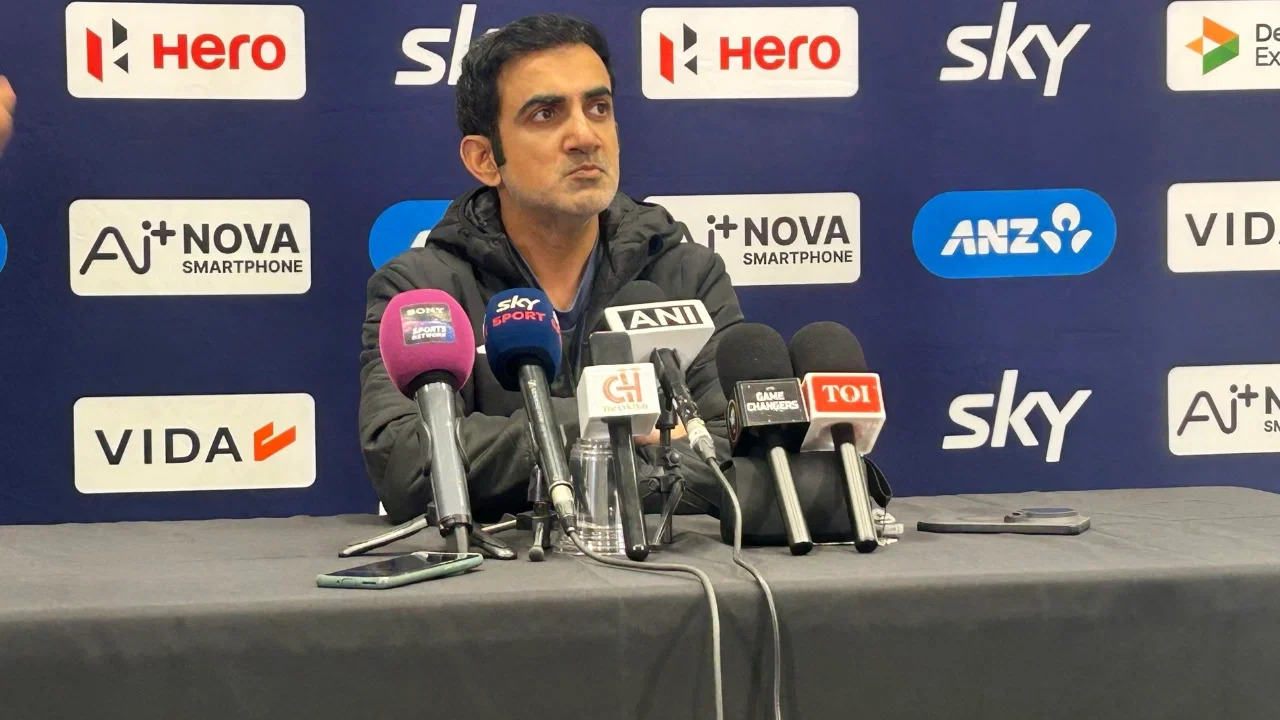
“Ready to take the bullet”: Gautam Gambhir takes responsibility after India’s consecutive defeats vs New Zealand
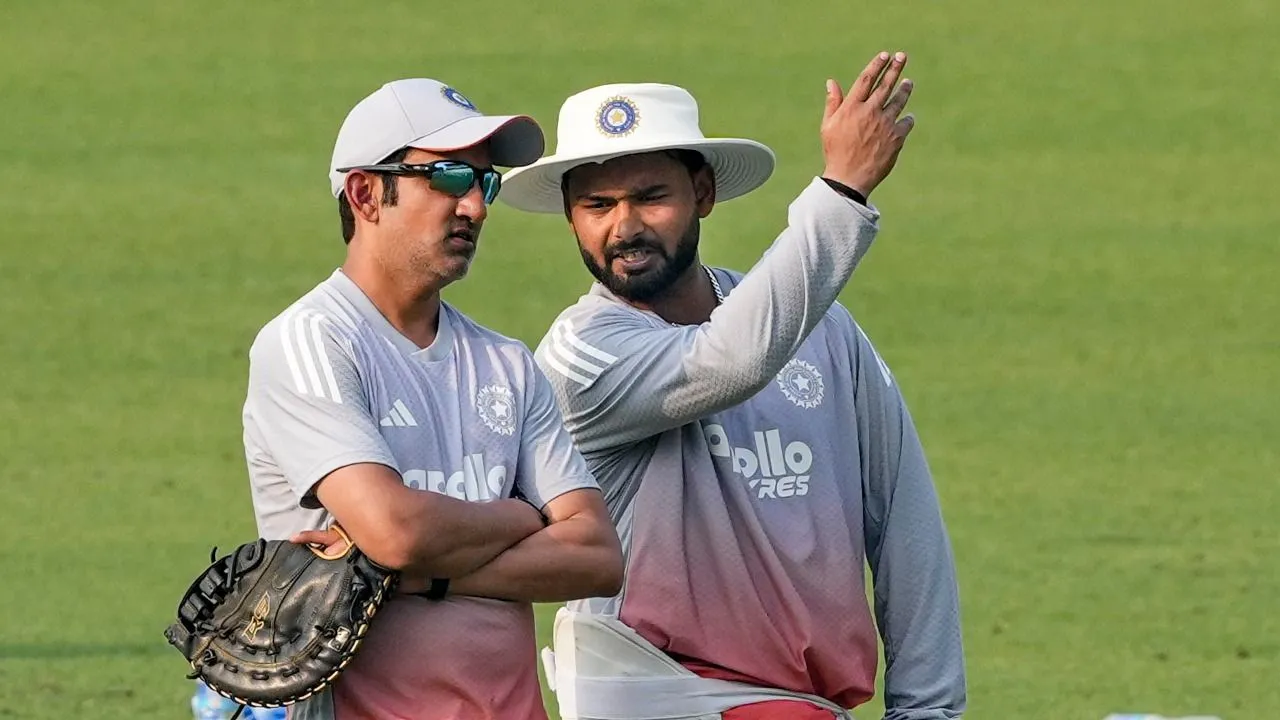
“I don’t have an update yet”: Gautam Gambhir shares latest update on Rishabh Pant’s availability

Shreyas Iyer brings New Zealand’s famous Mana Wave celebration after quickfire fifty vs New Zealand

Mohammad Yousaf asks PCB to send Babar Azam back ‘to an academy in England or Australia’

