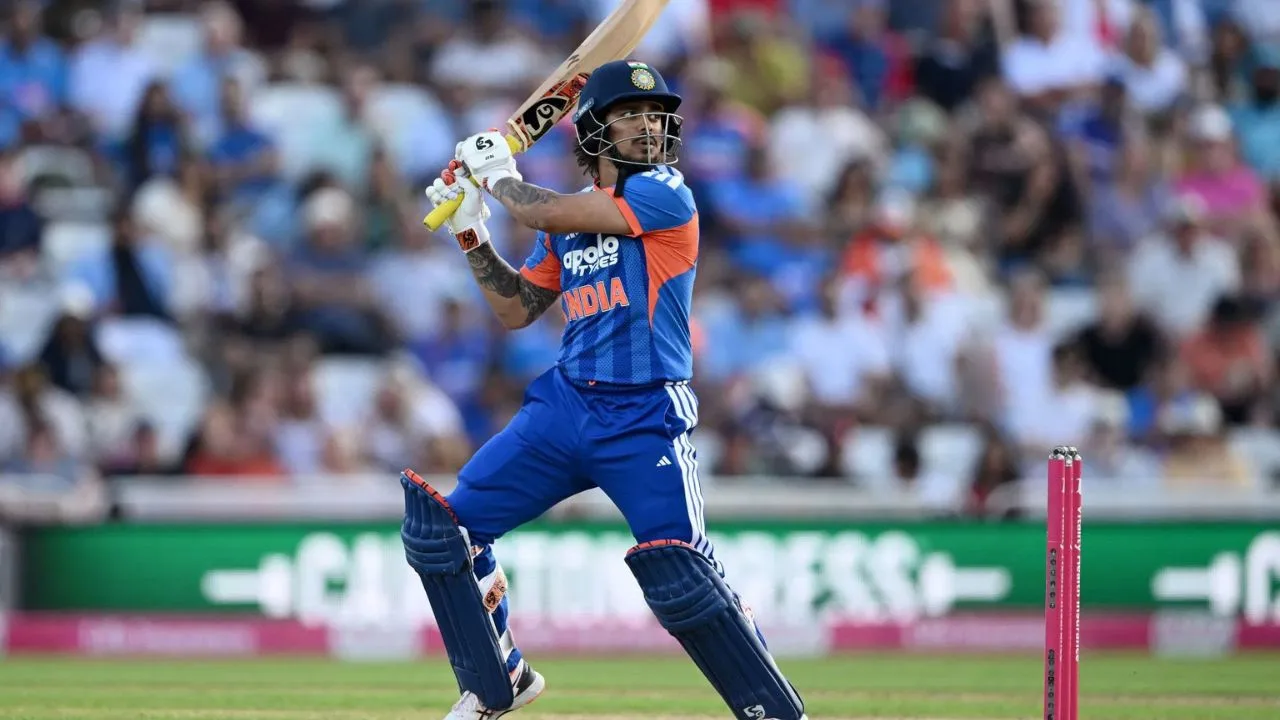
“Could’ve been the other way”: Mitchell Santner reflects on New Zealand’s 3-2 series loss to India

New Zealand Beat India by Seven Wickets to Close T20I Series on a High
New Zealand finished their five-match T20I series against India with a memorable seven-wicket win at Seddon Park in Hamilton on November 1. After losing the first three games, Mitchell Santner’s side rallied to claim the final two matches, ending the series 3-2 in India’s favour and avoiding a clean sweep.
The result offered New Zealand a strong finish against one of the world’s leading T20 teams. It also highlighted the fine margins that shaped the series: Santner said India deserved credit for the overall victory, but felt the closely contested matches could have produced a different final scoreline. For fans looking ahead, the series provided plenty to consider in any future prediction about how these teams might match up.
Seifert and Phillips Lead New Zealand’s Record Chase
Chasing India’s total, New Zealand found their momentum through an outstanding partnership between Tim Seifert and Glenn Phillips. Seifert set the pace with 93 from 50 balls, combining clean hitting with smart placement to keep the required rate under control. His innings gave the hosts a firm platform and put pressure on India’s bowlers throughout the middle overs.
Phillips then took charge as the chase approached its conclusion. He remained unbeaten on 65 from 38 deliveries, ensuring New Zealand stayed ahead of the asking rate. The finish was fittingly emphatic: Phillips struck Bhuvneshwar Kumar for four to seal the victory, adding another decisive performance to a series in which he had already produced a match-winning century in Auckland.
The successful pursuit of 192 ranked among New Zealand’s highest T20I chases. It was a significant achievement against India, especially after the hosts had begun the series with three consecutive defeats. New Zealand’s ability to recover from that position reflected the depth and resilience Santner praised after the match.
New Zealand’s highest successful T20I chases
New Zealand’s Hamilton win sits among several notable run chases in the team’s T20I history. The figures below provide context for the scale of the achievement:
201 vs Zimbabwe, Hamilton, 2012
194 vs Pakistan, Rawalpindi, 2023
192 vs India, Hamilton, 2026
183 vs Sri Lanka, Queenstown, 2023
183 vs Afghanistan, Chennai, 2026
India Recover After Early Powerplay Wickets
India’s innings began poorly, with both Sanju Samson and Abhishek Sharma dismissed inside the powerplay. Their early exits gave New Zealand an opportunity to apply pressure, but Ishan Kishan and captain Shreyas Iyer steadied the innings with half-centuries.
Kishan and Iyer rebuilt the scoring effort before accelerating, helping India regain control after the early setbacks. Their contributions were supported by aggressive late-innings cameos from Naman Dhir and Nitish Kumar Reddy, who added valuable runs and helped lift India to a competitive total.
Despite that recovery, India could not prevent New Zealand’s batters from taking control of the chase. The match underlined a familiar challenge in high-scoring T20 cricket: even a strong total can be vulnerable when the opposition’s top order builds a substantial partnership and keeps wickets in hand.
Team Changes and Questions for India
India made several adjustments for the series finale, leaving Axar Patel and Mayank Yadav out of the playing XI. Vaibhav Sooryavanshi remained on the bench. New Zealand also made a change, bringing Blair Tickner into the side in place of Matt Fisher.
India still secured the series, but the final result may prompt discussion about selection balance, combinations and how the team adapts when early wickets fall. Across five high-scoring matches, both sides had opportunities to shape the contest, and India’s 3-2 series victory did not come without challenges.
For New Zealand, the last two games offered encouragement. The team showed that it could respond after a difficult start, while performances from Seifert and Phillips demonstrated the value of a batting line-up capable of shifting gears. Their partnership was particularly effective because Seifert supplied the early acceleration and Phillips carried the chase through to the finish.
Santner: The Series Could Have Gone Either Way
After the match, Santner described the contest as a tight series against a strong opponent. While acknowledging that India had won 3-2, the New Zealand captain said the final score could have been reversed. His assessment reflected how competitive the matches had been, even as India established an early advantage.
Santner also highlighted the quality of New Zealand’s batting and the team’s depth. He noted that the side had regularly posted totals around 200, with one match producing an even bigger score, and praised Phillips for delivering consistently. Santner’s comments suggested that New Zealand could take confidence from the way the squad performed over the full series, rather than judging its campaign only by the first three results.
What the Hamilton Result Means Going Forward
India leave the series with a 3-2 win, but New Zealand’s late surge gives the rivalry a compelling final chapter. The Hamilton match showed how quickly momentum can change in T20 cricket: New Zealand moved from facing the prospect of a whitewash to closing the series with back-to-back victories.
For India, the series offers both a trophy and areas to review, including top-order starts and the balance of the playing XI. For New Zealand, the comeback provides evidence of strong batting depth and an ability to respond under pressure. Those themes will shape future discussions and any informed prediction about the teams’ next T20I meetings.
Ultimately, the final match belonged to Seifert and Phillips. Their composed yet forceful chase turned a demanding target into a seven-wicket win, allowing New Zealand to end the series on a high and ensuring India’s victory was hard-earned rather than one-sided.
Latest News

Mark Chapman, Rachin Ravindra ruled out of India ODIs; New Zealand name replacements
Virat Kohli is on the verge of breaking multiple records against New Zealand

Tamil Nadu reveal full squad for SMAT 2026-27, Sai Kishore named captain

Pakistan set for central contract changes as Mikes Hesson urges investment in young players: Report

Jacob Duffy calls Virat Kohli a “religious figure” in India, praises his humility

Aakash Chopra names 5 players RCB must retain and 1 star they should release ahead of IPL 2027 Auction

Glenn Phillips sets world record for most runs in a bilateral T20I series
“Could’ve been the other way”: Mitchell Santner reflects on New Zealand’s 3-2 series loss to India
Bhuvneshwar Kumar to be dropped from India T20I squad after New Zealand series?
Glenn Phillips shares key to his success after winning Player of the Series against India
“Ready to take the bullet”: Gautam Gambhir takes responsibility after India’s consecutive defeats vs New Zealand
“I don’t have an update yet”: Gautam Gambhir shares latest update on Rishabh Pant’s availability

Shreyas Iyer brings New Zealand’s famous Mana Wave celebration after quickfire fifty vs New Zealand

Mohammad Yousaf asks PCB to send Babar Azam back ‘to an academy in England or Australia’