South Africa vs Australia 2nd Test creates 100-year record with 19 players aged 30 or above

South Africa vs Australia 2nd Test: Gqeberha Match Makes Age-Defying Cricket History
The South Africa vs Australia second Test at St George’s Park in Gqeberha has made its mark on men’s Test cricket before the first ball was bowled. The teams’ announced playing XIs featured 19 players aged 30 or older, placing the match among the most age-experienced line-ups in the history of the format.
The milestone offers a striking reminder that experience remains a valuable asset in Test cricket. While many teams focus on introducing younger players and building for the future, Australia and South Africa have assembled sides rich in seasoned campaigners—players whose years at the top can bring composure, tactical awareness and resilience in a demanding five-day contest.
A rare age profile in Test cricket
Having 19 players aged 30 or above across two teams is unusual, particularly in the modern game, where workloads, fitness demands and long-term succession planning often lead selectors to invest in younger talent. The Gqeberha Test is only the latest match to reach that total, and it joins a list dominated by historic Ashes encounters involving Australia and England.
The record remains the 1926 Test between England and Australia at Nottingham, when 20 players were aged 30 or older. Five other matches have featured 19 players in that age bracket, including this South Africa-Australia contest. Australia appears in every match on the list, underlining the country’s long history of fielding experienced Test teams.
Most players aged 30 or older in a men’s Test match
20 players: England vs Australia, Nottingham, 1926
19 players: Australia vs England, Sydney, 1921
19 players: England vs Australia, Lord’s, 1926
19 players: England vs Australia, Leeds, 1926
19 players: England vs Australia, Manchester, 1926
19 players: South Africa vs Australia, Gqeberha, 2026
These figures put the current match in notable historical company. They also show how unusual it is for both sides to rely so heavily on players in their thirties at once. Rather than signalling a lack of emerging talent, however, the selections reflect the value both teams place on proven performers in a high-stakes Test series.
Three players are 37, while Australia’s youngest is 30
Three players in the match are 37 years old: Australia’s Steven Smith and Scott Boland, and South Africa’s Simon Harmer. Their presence gives the contest an especially experienced core, with each bringing a different skill set and a substantial record of high-level cricket.
Boland’s inclusion is particularly notable. He was selected as a tactical replacement for spinner Nathan Lyon, who is 38 and would have been the oldest player across the two teams had he been named in the XI. The change highlights how team selection can be shaped by conditions and match strategy as much as by age or reputation.
Australia’s entire starting XI is aged 30 or older. Matt Renshaw, at 30, is the youngest member of the Australian side. He arrives in Gqeberha with confidence after scoring a century in the previous Test in Durban, giving the visitors a relatively young presence by the standards of this particular line-up—though he is already an experienced international cricketer.
South Africa blend experience with younger options
South Africa’s XI includes eight players aged 30 or above. The three younger members are Matthew Breetzke, 27, Marco Jansen, 26, and Wiaan Mulder, 28. Their inclusion gives the home team a balance of established players and younger contributors, a combination that can be important over a long series.
Among the older Proteas are captain Temba Bavuma, 36, and veteran spinner Simon Harmer, 37. Their experience could prove useful as the match develops, particularly during pressure moments when patience, decision-making and an understanding of Test-match rhythms become crucial. At the same time, the younger players offer energy and the potential to influence the game with fresh approaches.
What experience could mean for the match
Age alone does not determine the outcome of a Test, but a line-up with so many players in their thirties can shape the character of a contest. Experienced batters may be better equipped to manage difficult spells, build partnerships and resist the temptation to force the pace. Senior bowlers can also use subtle changes in line, length and tempo to create pressure across long sessions.
There are trade-offs, too. Test cricket places significant physical demands on players, particularly fast bowlers, who must recover quickly between spells and remain effective across several days. Fitness, workload management and the ability to adapt to conditions can matter as much as experience. The Gqeberha match therefore provides an intriguing test of how seasoned players balance craft with the physical intensity of modern cricket.
The age profile also adds context to the series’ broader narrative. For Australia, a fully thirties-based XI reflects confidence in a group of established performers. For South Africa, the combination of eight senior players and three younger selections suggests a side drawing on experience while still giving emerging talent an important role.
Players aged 30 or older in the Gqeberha Test
South Africa: Aiden Markram (32), Marques Ackerman (30), David Bedingham (32), Temba Bavuma (36), Ryan Rickelton (30), Simon Harmer (37), Anrich Nortje (32) and Kagiso Rabada (31).
Australia: Nic Maddinson (34), Travis Head (32), Marnus Labuschagne (32), Steven Smith (37), Matt Renshaw (30), Alex Carey (35), Beau Webster (32), Pat Cummins (33), Mitchell Starc (36), Scott Boland (37) and Josh Hazlewood (35).
With 19 players aged 30 or older, the South Africa vs Australia second Test has already secured a place in the record books. The statistic is a compelling pre-match talking point, but the real test will be how these experienced players perform at St George’s Park. For fans seeking a prediction, the age figures alone offer no clear winner: form, conditions and execution will ultimately decide whether experience becomes a decisive advantage.
Latest News
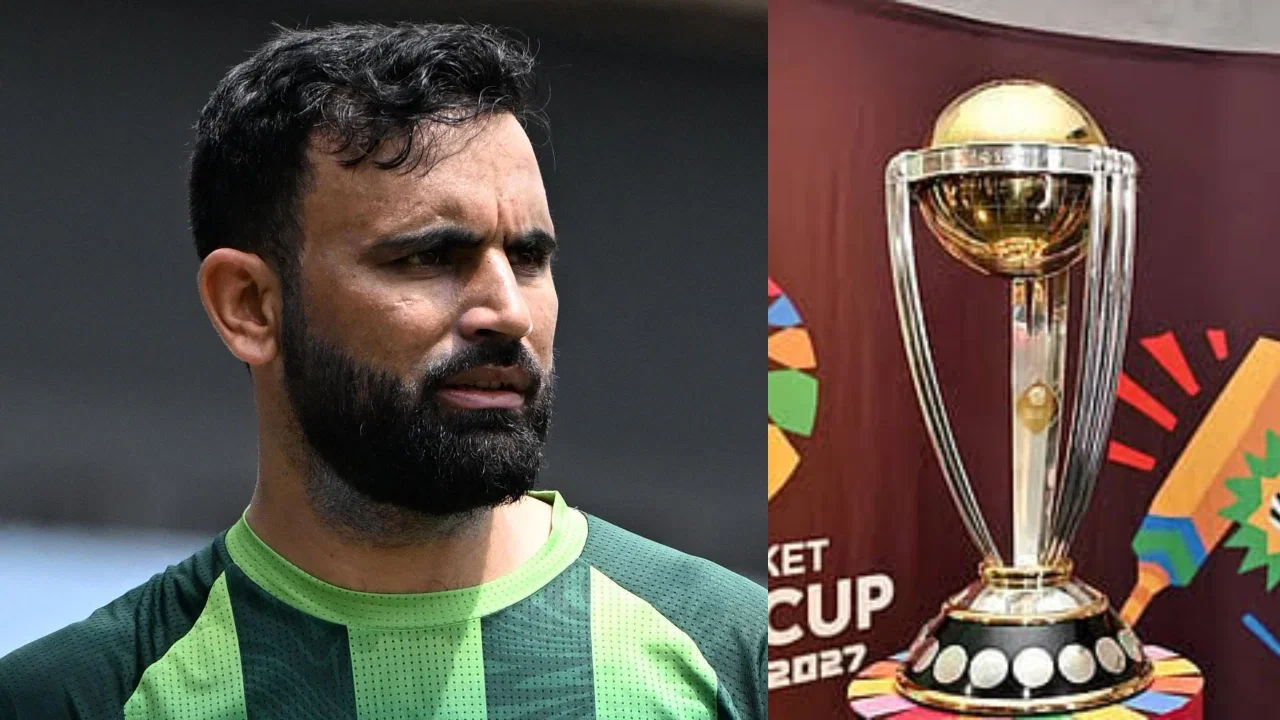
Fakhar Zaman admits extreme pressure on Pakistan to end ICC trophy drought
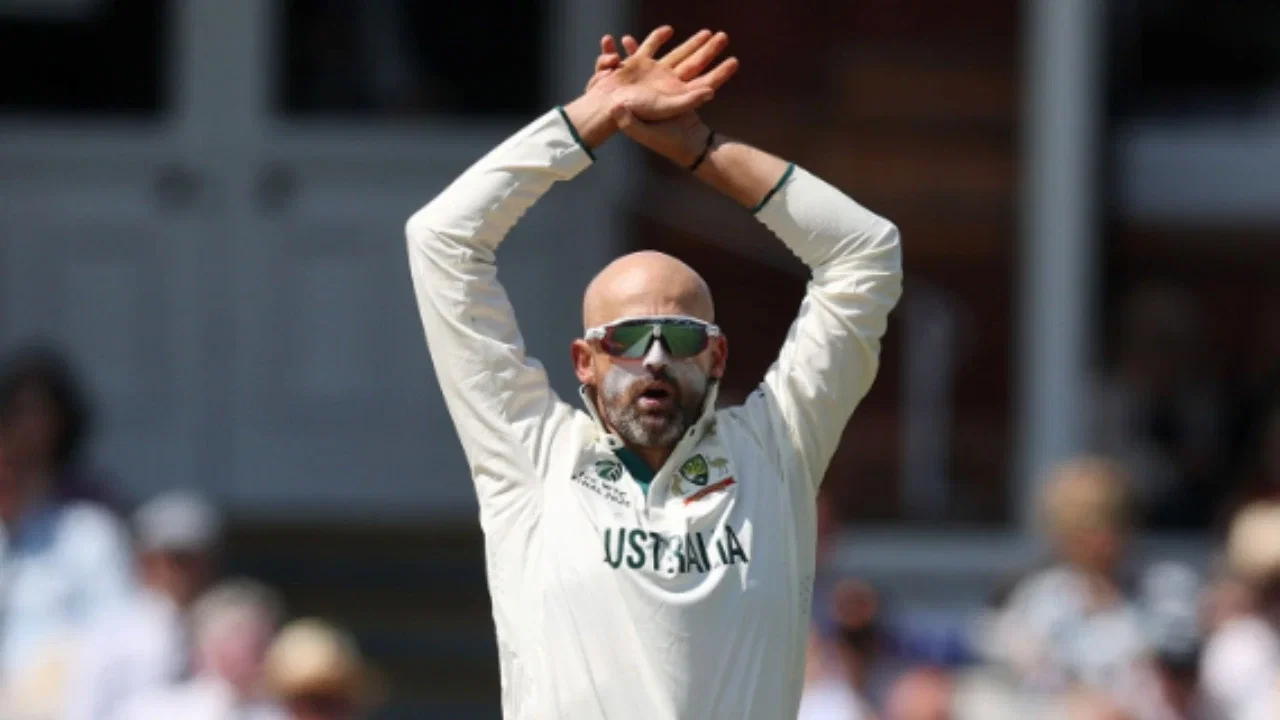
Australia drop Nathan Lyon vs South Africa, marking third omission in 14 months

Tim Southee says New Zealand are not scared of Jasprit Bumrah

Ravichandran Ashwin fears the worst for Kuldeep Yadav under Gautam Gambhir

Abhishek Sharma snubbed as Abhinav Mukund names India’s top 3 all-time T20I batters

Sunil Gavaskar says Hardik Pandya is irreplaceable, urges India to build different combination
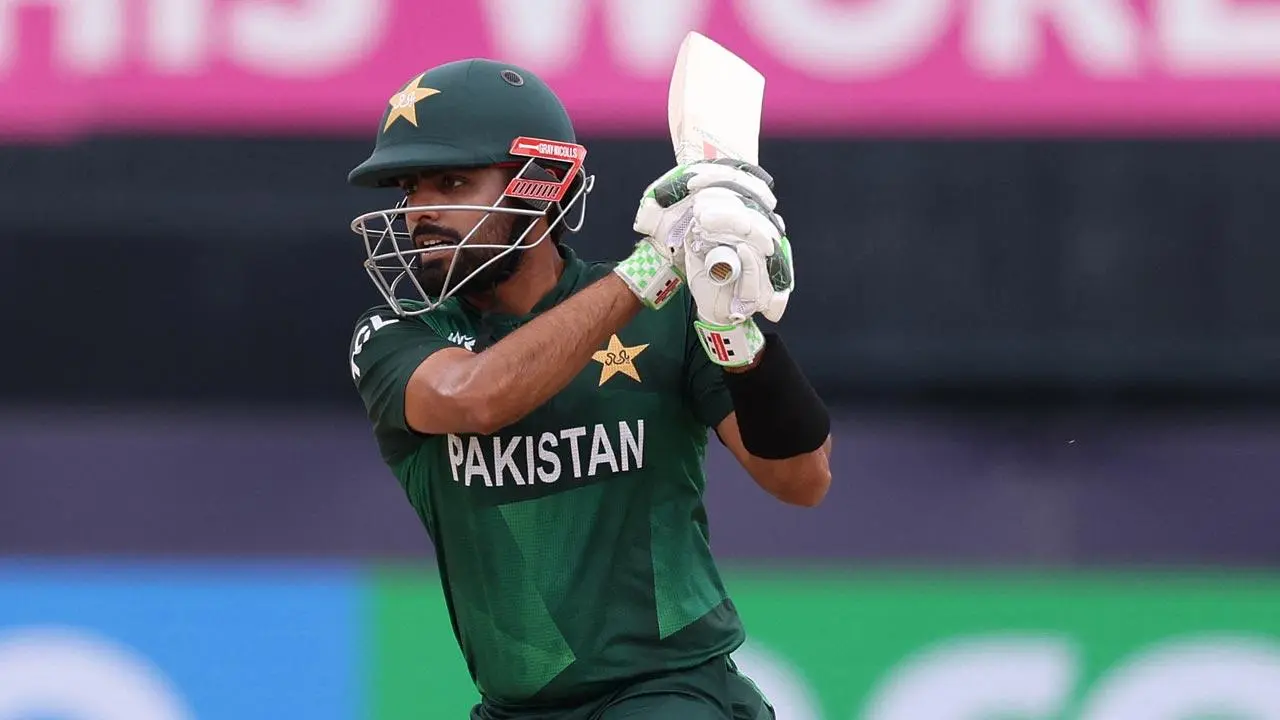
Babar Azam reaches 16,000 international runs during Pakistan vs Sri Lanka 1st ODI
South Africa vs Australia 2nd Test creates 100-year record with 19 players aged 30 or above
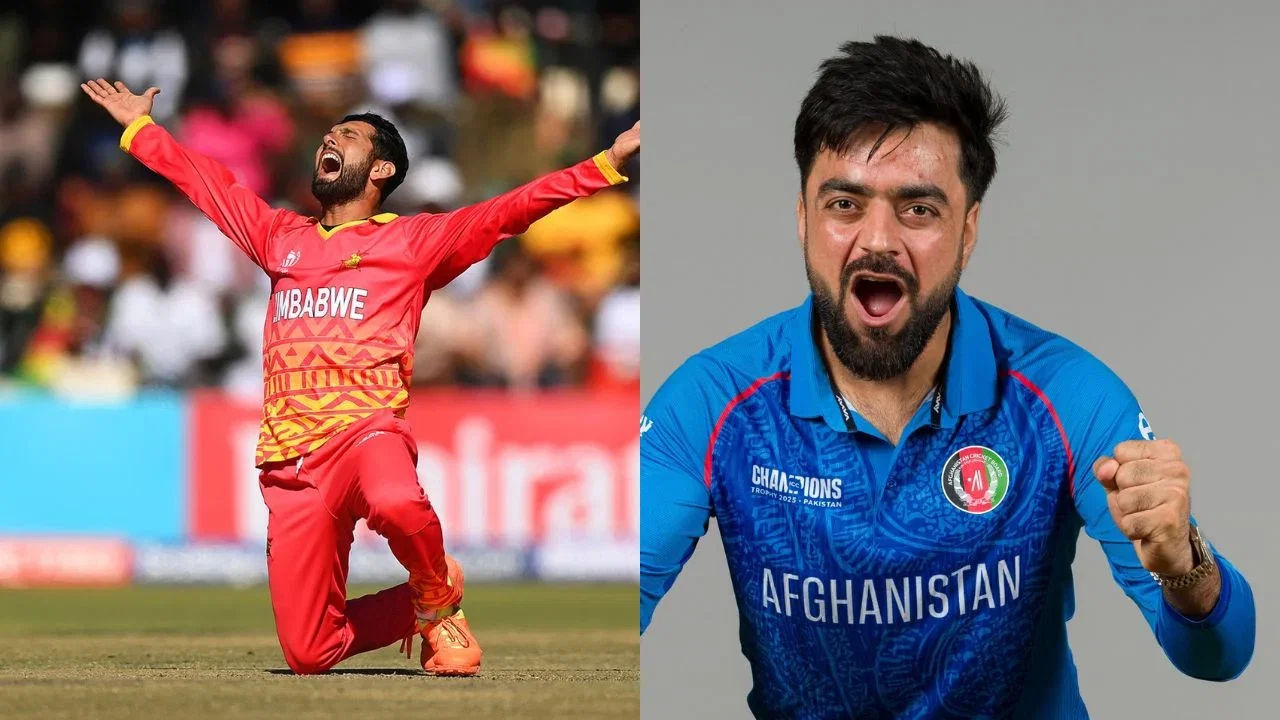
AFG vs ZIM Playing 11 Today, Live Streaming, Pitch & Weather: Afghanistan vs Zimbabwe 2nd ODI, Tri-Series 2026
Rinku Singh makes strong case for India comeback with back-to-back Ranji Trophy centuries
Chris Woakes reveals how Rob Key hurt him before retirement
Mohammad Rizwan gets PCB clearance to return to domestic cricket amid betting probe
Mohammed Shami suffers injury amid India comeback talks, misses Ranji match
Shoaib Akhtar warns Babar Azam could be dropped from Pakistan’s ODI team