Rinku Singh makes strong case for India comeback with back-to-back Ranji Trophy centuries
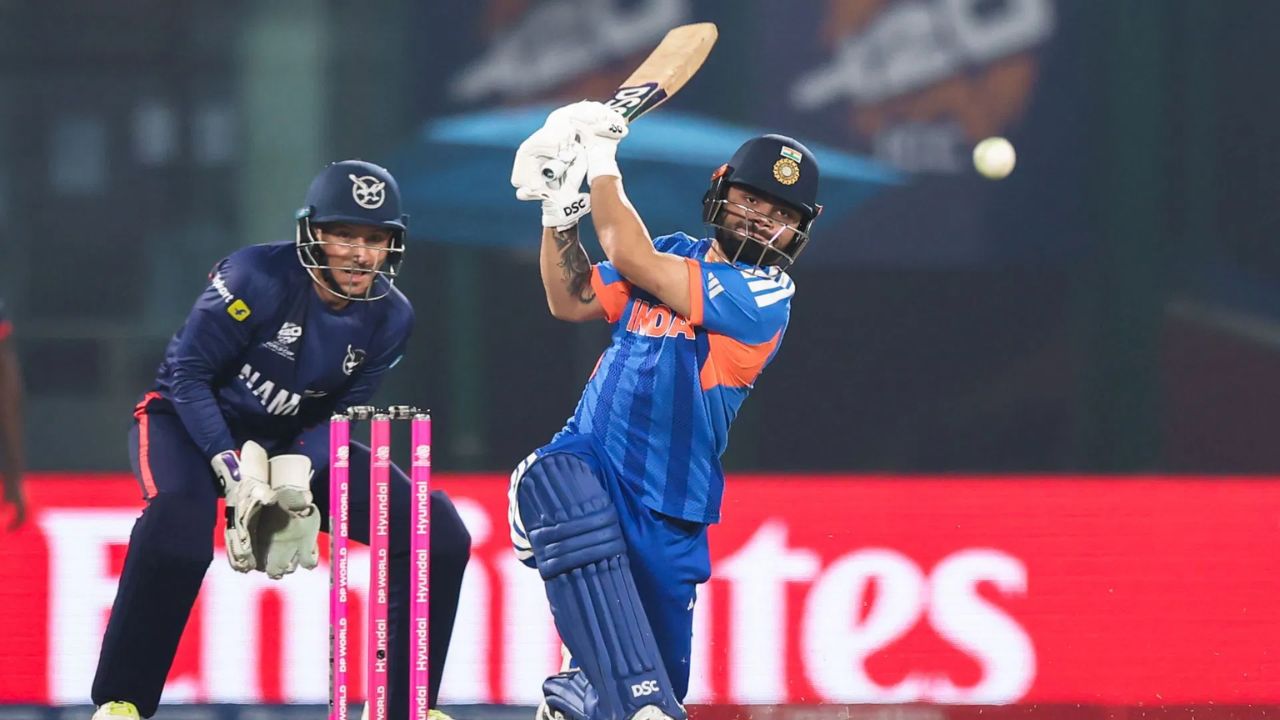
Rinku Singh’s Back-to-Back Ranji Trophy Centuries Strengthen India Comeback Prediction
Rinku Singh has made a compelling case for a return to India’s T20I setup, producing consecutive centuries for Uttar Pradesh in the 2026–27 Ranji Trophy. The left-handed batter followed an innings of 112 against Bihar with an unbeaten 100 against Goa, showing both his ability to rebuild under pressure and his determination to carry an innings deep.
The performances arrive at a notable moment in Singh’s career. He has earned a reputation as a reliable middle-order batter and limited-overs finisher, yet was left out of India’s squad for the upcoming five-match T20I series against New Zealand. The series is scheduled to begin in Christchurch on October 22, and his omission has prompted fresh discussion about India’s finishing options—and whether his domestic form could change the selectors’ thinking.
Rinku Singh Rescues Uttar Pradesh Against Goa
Singh’s century against Goa was built in difficult circumstances. Uttar Pradesh chose to bat after winning the toss, but their innings quickly came under pressure. Abhishek Goswami was dismissed for five, captain Aryan Juyal fell leg-before-wicket, and Karan Sharma was run out without scoring. By the 14th over, Uttar Pradesh had slipped to 33 for three.
Singh arrived with the innings in danger and began rebuilding alongside Madhav Kaushik. The pair added 58 runs for the fourth wicket, with Kaushik contributing 45. Their stand offered Uttar Pradesh some stability, but Kaushik’s dismissal was followed by another sharp collapse. The team lost six wickets for only 47 runs, tumbling from 90 for three to 137 for nine.
With the recognised batters gone, Singh took responsibility for the lower order. He shared an unbroken 47-run partnership for the final wicket with No. 11 Vansh Chaudhary, scoring most of the runs himself. Singh finished unbeaten on 100 from 155 deliveries, striking 10 fours and two sixes at a strike rate of 64.52.
The innings was more than a milestone. It gave Uttar Pradesh a total of 184 for nine after a collapse that had threatened to leave them with far less. Singh’s composure, shot selection and ability to manage the strike were central to the recovery, particularly with a tailender at the other end.
Century Against Bihar Set the Tone
Singh’s latest hundred followed an equally valuable contribution in Uttar Pradesh’s opening match of the Ranji Trophy campaign. Against Bihar, he came to the crease with his side at 85 for three on a challenging, damp red-soil pitch. Rather than allowing the conditions or early wickets to dictate the innings, Singh helped turn the match in Uttar Pradesh’s favour.
He and Kaushik put together a 207-run fourth-wicket partnership. Kaushik scored 150, while Singh made 112 from 168 balls, including eight fours and three sixes. The century was the 10th of Singh’s first-class career and helped provide the platform for Uttar Pradesh to post a formidable 540 in their first innings.
Uttar Pradesh went on to defeat Bihar by an innings and 267 runs. Kaushik received the Player of the Match award for his substantial contribution, but Singh’s innings was an important part of the partnership that transformed a difficult start into a dominant team total.
Why Was Rinku Singh Left Out of India’s T20I Squad?
The BCCI announced India’s squad for the New Zealand T20I series on October 6, with Singh among the notable omissions. The board did not provide a specific explanation for the decision, so it remains unclear whether the choice was based on tactical balance, player workload, competition for places or a combination of factors.
India’s squad includes other left-handed options, including Shivam Dube and Axar Patel, both of whom can also contribute with the ball. That versatility may have influenced the selection balance in the middle order. The inclusion of two additional wicketkeeper-batters has also increased competition for batting positions, while the return of Bhuvneshwar Kumar and the presence of young fast bowlers have shaped the team’s overall composition.
Those factors offer possible context, but they do not confirm the selectors’ reasoning. Singh’s omission is therefore best understood as a selection decision that leaves questions open, rather than evidence that his place in future squads is settled. His current Ranji form gives him a timely opportunity to keep those questions in the conversation.
What the Ranji Form Means for India’s Finishing Options
First-class cricket and T20 internationals demand different approaches. A long-format century cannot, on its own, guarantee a place in a short-format side. Still, Singh’s back-to-back hundreds highlight qualities that can translate across formats: calmness after early wickets, an ability to assess conditions quickly and confidence in taking responsibility when the innings is under pressure.
His unbeaten effort against Goa may be especially relevant to his reputation as a finisher. He did not have an established batter alongside him at the end, yet managed the final-wicket partnership and found enough scoring opportunities to reach three figures. Against Bihar, meanwhile, he demonstrated patience and the capacity to build a substantial stand rather than forcing the pace.
The prediction surrounding a possible India comeback will ultimately depend on more than two domestic performances. Team balance, upcoming fixtures and the selectors’ plans for the middle order will all matter. But Singh has supplied a strong, visible response on the field: two centuries in successive Ranji Trophy matches, including one that rescued his side from a near-collapse.
With the New Zealand series approaching, attention will remain on India’s chosen finishers and the balance of its T20I squad. Singh’s omission may stand for this series, but sustained performances for Uttar Pradesh could strengthen his case for future selection. For now, his Ranji Trophy form has made him difficult to overlook in any discussion of India’s middle-order depth.
Latest News
Fakhar Zaman admits extreme pressure on Pakistan to end ICC trophy drought
Australia drop Nathan Lyon vs South Africa, marking third omission in 14 months
Tim Southee says New Zealand are not scared of Jasprit Bumrah
Ravichandran Ashwin fears the worst for Kuldeep Yadav under Gautam Gambhir
Abhishek Sharma snubbed as Abhinav Mukund names India’s top 3 all-time T20I batters
Sunil Gavaskar says Hardik Pandya is irreplaceable, urges India to build different combination
Babar Azam reaches 16,000 international runs during Pakistan vs Sri Lanka 1st ODI
South Africa vs Australia 2nd Test creates 100-year record with 19 players aged 30 or above
AFG vs ZIM Playing 11 Today, Live Streaming, Pitch & Weather: Afghanistan vs Zimbabwe 2nd ODI, Tri-Series 2026
Rinku Singh makes strong case for India comeback with back-to-back Ranji Trophy centuries
Chris Woakes reveals how Rob Key hurt him before retirement
Mohammad Rizwan gets PCB clearance to return to domestic cricket amid betting probe
Mohammed Shami suffers injury amid India comeback talks, misses Ranji match
Shoaib Akhtar warns Babar Azam could be dropped from Pakistan’s ODI team