

“Could’ve rested a senior”: Dodda Ganesh questions Vaibhav Sooryavanshi’s exclusion
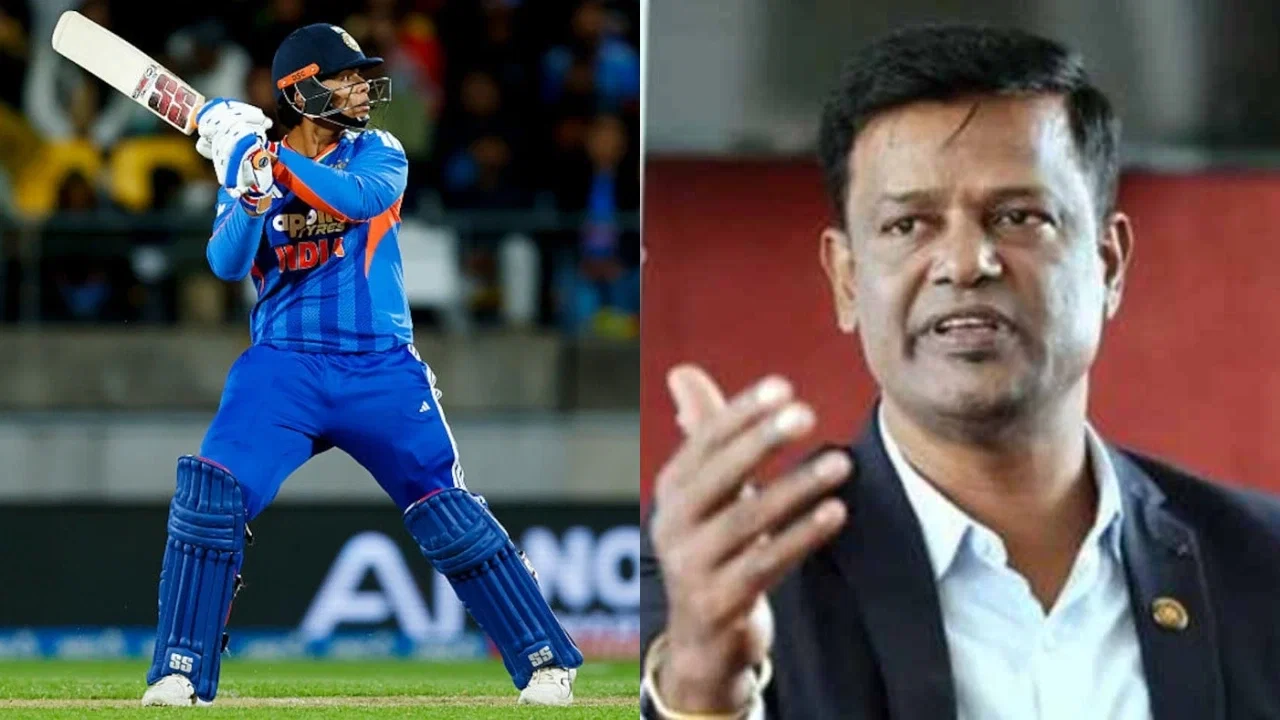
Dodda Ganesh Questions India’s Decision to Drop Vaibhav Sooryavanshi Against New Zealand
Former India fast bowler Dodda Ganesh has questioned head coach Gautam Gambhir and the team management after young batter Vaibhav Sooryavanshi was left out of the fourth T20I against New Zealand in Auckland. With India already holding an unassailable 3-0 lead in the five-match series, Ganesh argued that the match offered an ideal opportunity to rest a senior player and give the teenager another chance.
Ishan Kishan returned to the playing XI after recovering from an injury, taking Sooryavanshi’s place for Friday’s fixture. The selection sparked debate because the youngster had just delivered an explosive performance in the previous match, helping India chase down a demanding target in emphatic fashion.
Ganesh says the series was the right time to experiment
Reacting to Sooryavanshi’s omission, Ganesh shared his disappointment on X, formerly Twitter. He suggested that, with the series already decided, India could have rested one of its senior players rather than dropping the young batter.
“The series is done. Could’ve rested a senior and played Vaibhav Sooryavanshi. Don’t understand this decision of dropping him,” Ganesh wrote, adding the hashtag #NZvIND.
The discussion highlights a familiar selection dilemma in a settled series: should a team prioritise continuity and preparation for upcoming matches, or use the opportunity to test emerging players? India’s decision to bring Kishan back may have reflected the management’s plans for its preferred combination, but Sooryavanshi’s recent contribution made his exclusion a talking point.
Sooryavanshi made the most of his opportunity
Sooryavanshi entered the side after Kishan sustained a low-grade strain in his right adductor during the series opener in Christchurch. Kishan missed the next two matches, giving the youngster a chance to feature in the second and third T20Is.
His first outing was brief and challenging. Batting at No. 3 in the second T20I, Sooryavanshi made four runs from eight deliveries. But he responded in spectacular fashion in Wellington, scoring 45 from just 19 balls. His innings included four boundaries and four sixes, producing a strike rate of 236.84.
More than the individual score, Sooryavanshi’s role in India’s opening assault stood out. He and Abhishek Sharma put on 133 runs in only 7.1 overs, giving the chase extraordinary momentum. India’s opening pair also reached 118 without loss during the powerplay, surpassing the previous T20I powerplay record of 116, set by Romania against Serbia in 2021.
India needed 199 runs to win and completed the chase in just 13.2 overs. The performance demonstrated how quickly an aggressive opening partnership can reshape a T20 match: the required rate stopped being a concern almost immediately, while New Zealand’s bowlers had little time to settle into their plans.
Team balance and the selection question
Sooryavanshi’s inclusion had required adjustments elsewhere in the batting order. Sanju Samson moved to No. 3 in Wellington to make room for the youngster alongside Abhishek at the top. With Kishan fit again, the team could restore its intended combination, while Samson was expected to return to an opening role in Auckland.
That context helps explain the management’s choice, though it has not ended the debate. Restoring an established player can strengthen a team’s preferred lineup, especially as it prepares for future fixtures. At the same time, leaving out a young batter immediately after a match-winning contribution may limit his opportunity to build confidence and experience at international level.
For supporters weighing the next selection prediction, the decision may depend on India’s priorities. If the focus is on settling the first-choice batting order, Kishan’s return makes sense. If the aim is to assess depth and reward recent form, Sooryavanshi’s case is difficult to ignore.
India’s batting depth has powered the series
Sooryavanshi’s innings has been one of several major contributions in a series dominated by India’s batting. Abhishek Sharma has been the standout performer at the top, scoring 169 runs across the first three matches. His most striking effort came in the third T20I, when he blasted 113 from only 38 deliveries, including nine fours and 11 sixes.
Samson has also made a significant impact, scoring 99 runs in the series before the Auckland match. His best performance came in the opener, where he made 67 from 33 balls and reached his half-century in just 23 deliveries. He combined with Abhishek for a 93-run powerplay partnership, setting the tone for India’s aggressive approach.
Tilak Varma provided a different kind of impact in the second T20I. After India slipped to 70 for five, he remained unbeaten on 51 from 26 balls and helped guide the chase to safety. His acceleration was particularly important: 42 of his runs came from his final 16 deliveries, turning a difficult position into a successful pursuit.
Lower down the order, Naman Dhir has offered India a dependable finishing option. He has scored 77 runs in the series, including an unbeaten 42 from 15 balls in the opening match. That late burst helped India complete their highest successful T20I chase against New Zealand. Dhir added another useful contribution with 31 from 21 balls in the second game.
What the decision means for India’s next steps
India had already secured the series with wins in Christchurch and Wellington, moving to a 3-0 lead before the Auckland fixture. Their broader record against New Zealand in T20Is this year has also been dominant: India have won eight of nine matches, including the 2026 T20 World Cup final in Ahmedabad.
With the series result settled, the remaining games offer a chance to refine combinations, manage workloads and evaluate players under international pressure. The management may view Kishan’s return as an important step in restoring balance, while critics such as Ganesh see the fixture as a missed opportunity to give Sooryavanshi more exposure.
Whatever the reasoning, the debate reflects the growing expectations around India’s young talent. Sooryavanshi has shown that he can recover from a quiet first appearance and make a substantial impact, while India’s established batters have continued to deliver across different match situations. The selection question is therefore not simply about one player being dropped; it is about how India balances immediate team plans with the development of its next generation.
Latest News
Auqib Nabi replaces Prasidh Krishna in India’s squad for first three ODIs vs New Zealand
Yashasvi Jaiswal the next Rishabh Pant? Fresh duck raises questions over India future
Stephen Fleming supports Team India’s decision to drop Vaibhav Sooryavanshi in 4th T20I vs New Zealand
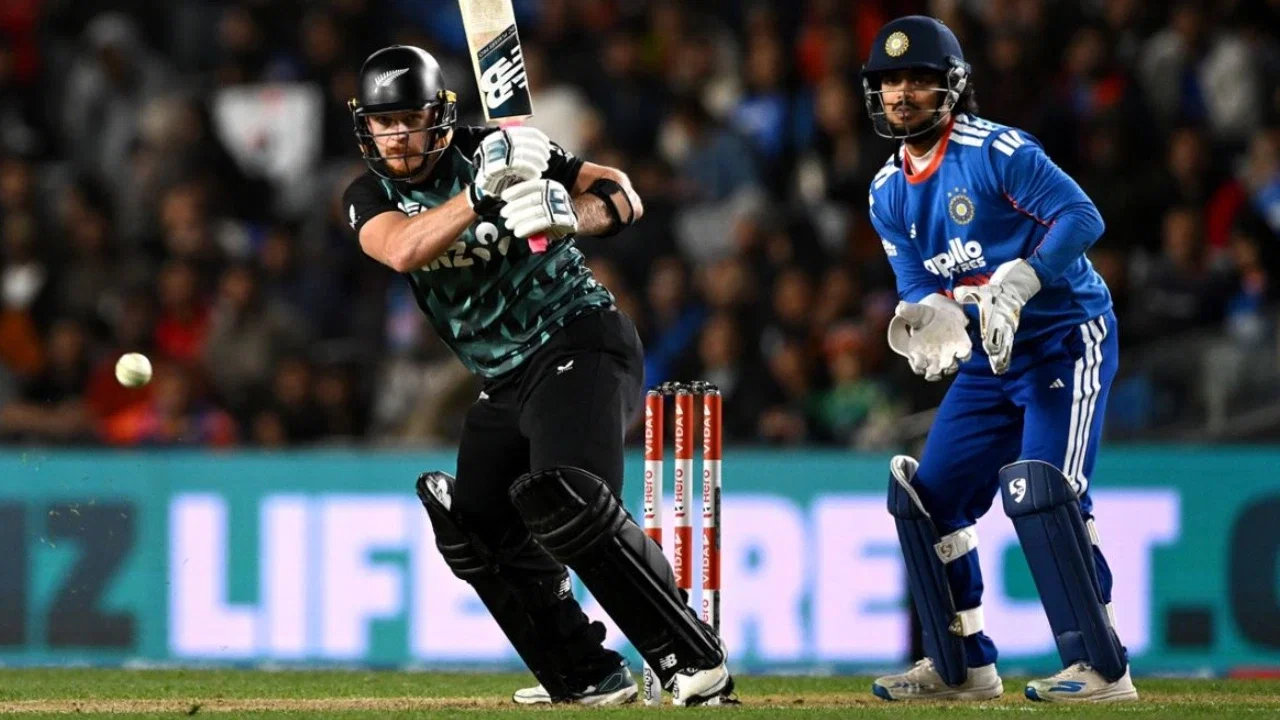
Glenn Phillips credits IPL for shaping his game after match-winning century against India
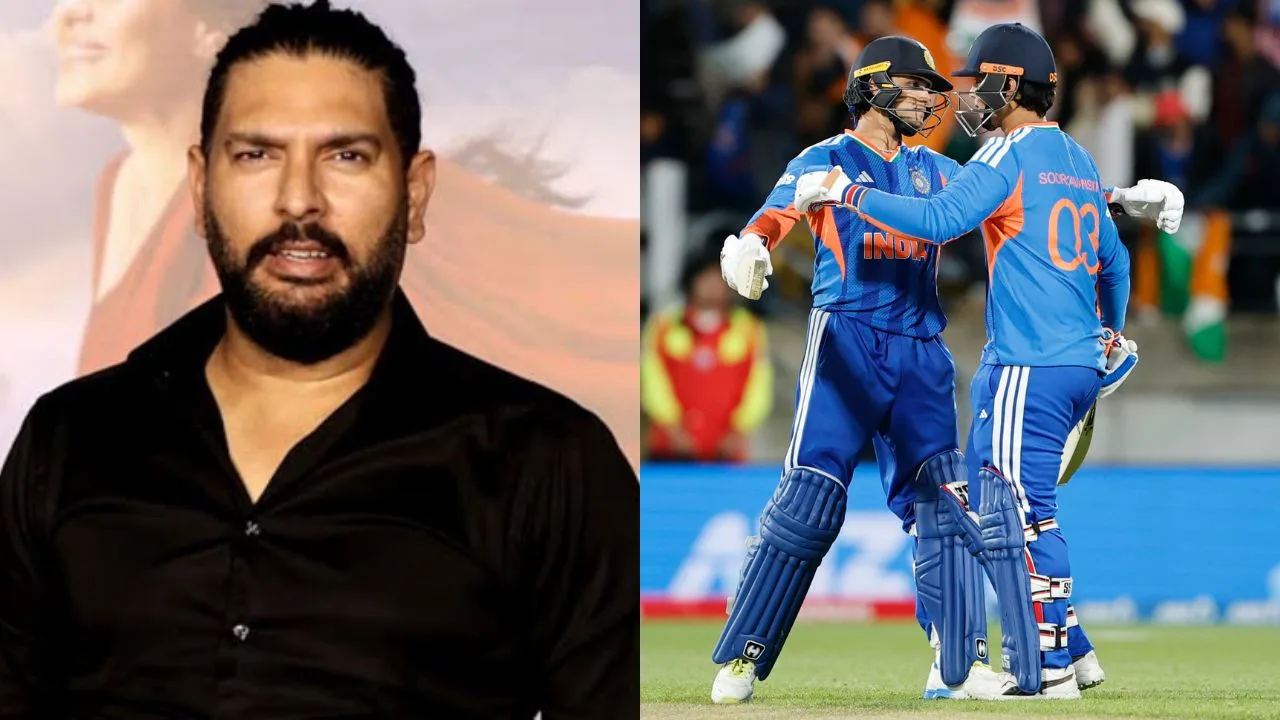
Yuvraj Singh urges BCCI to give Abhishek Sharma and Vaibhav Sooryavanshi ODI chances
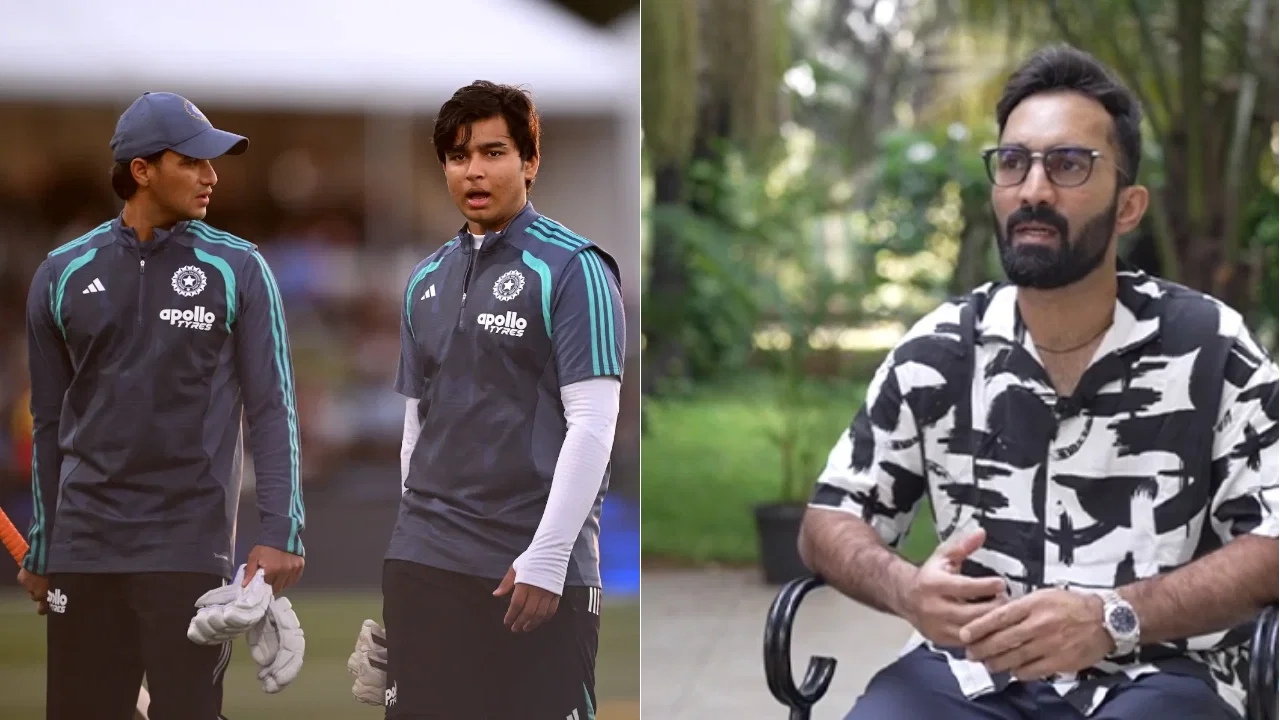
Dinesh Karthik backs Vaibhav Sooryavanshi, asks India to drop this player
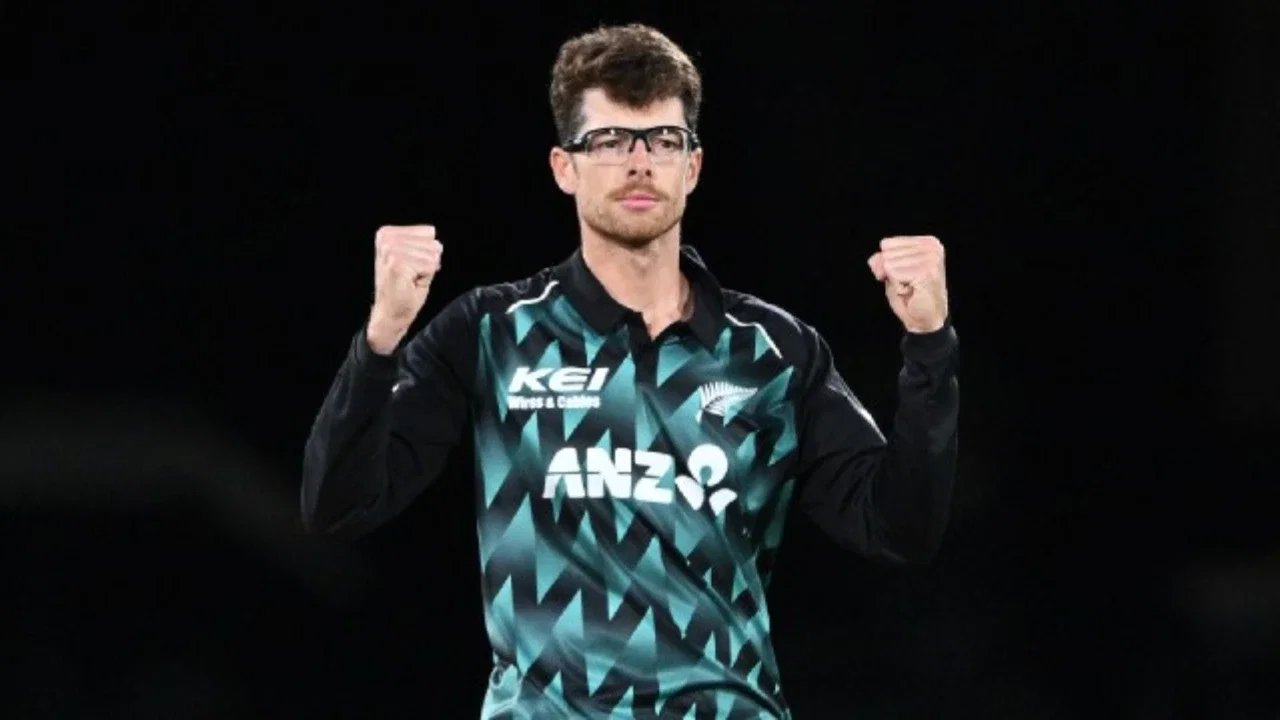
Mitchell Santner becomes leading wicket-taker against India in T20Is
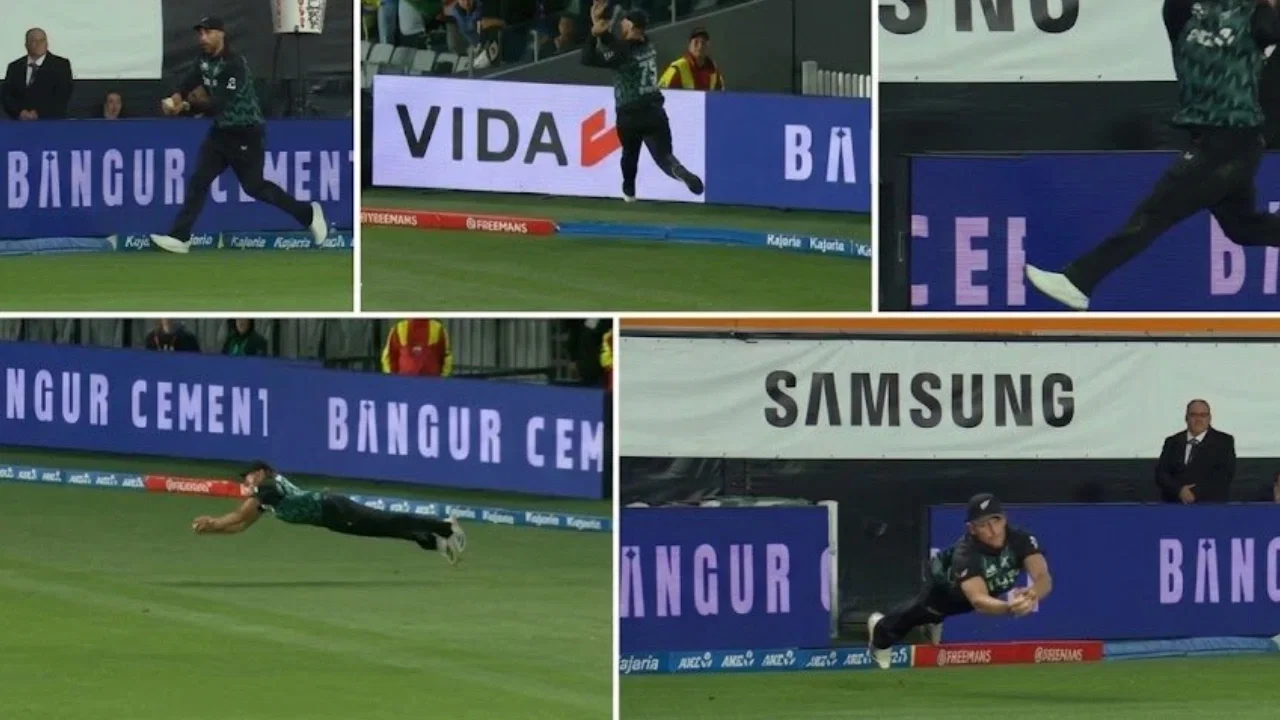
WATCH: Daryl Mitchell, Nathan Smith combine for spectacular catch in 4th T20I against India
India suffer second-biggest defeat in T20I history after 87-run loss to New Zealand
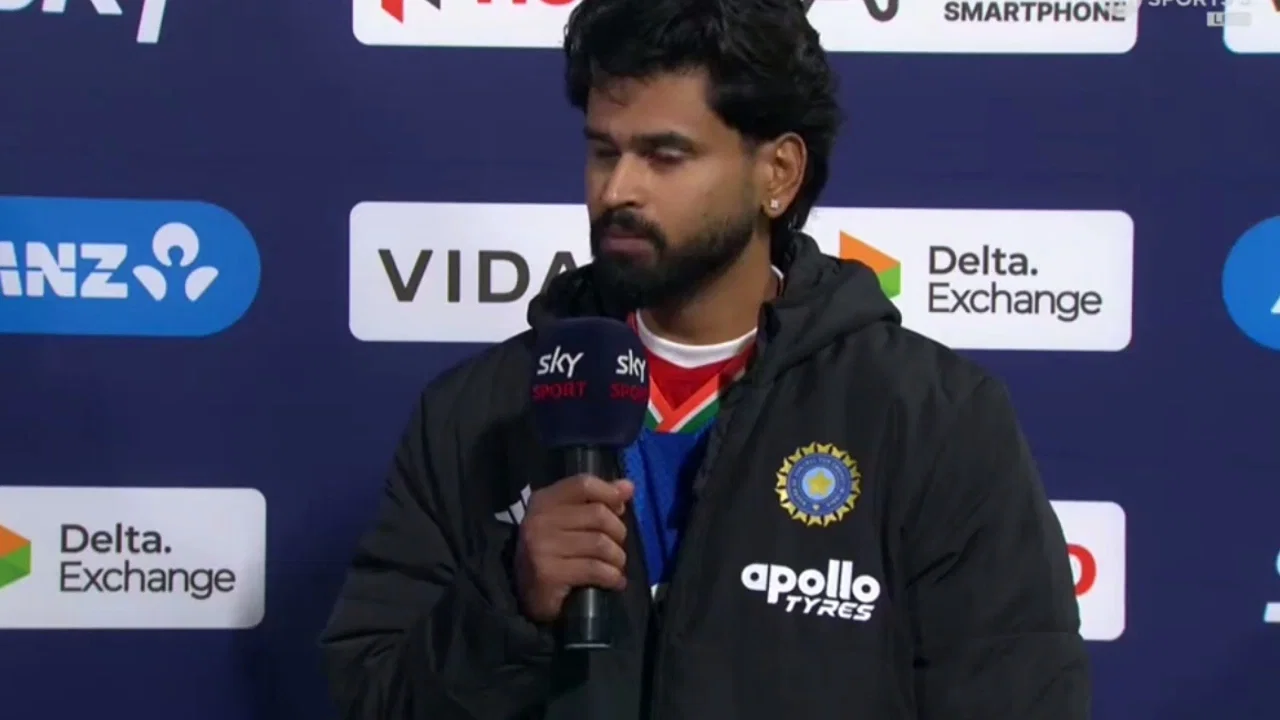
“We fell a bit short in our bowling”: Shreyas Iyer blames bowlers after India’s defeat against New Zealand
Rashid Khan scripts history, becomes first bowler to achieve rare T20I milestone
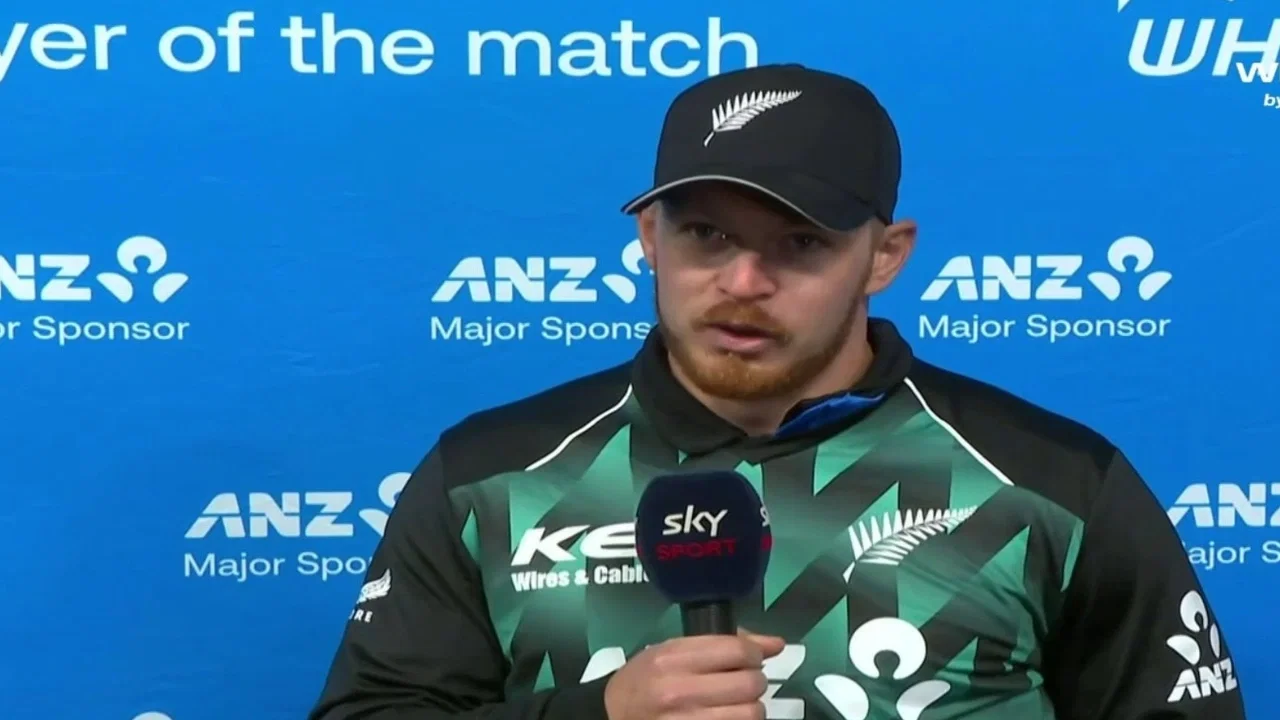
Glenn Phillips provides hamstring injury update after match-winning ton against India
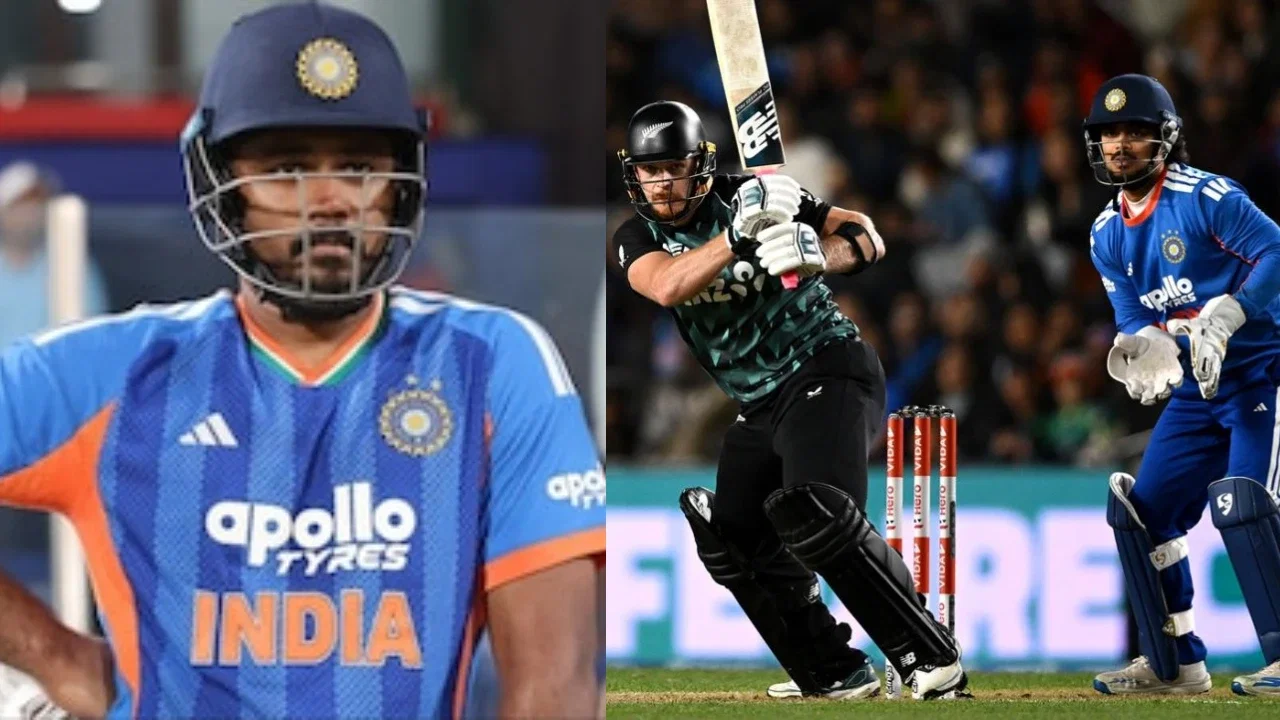
Ishan Kishan’s wicketkeeping role raises fresh questions over Sanju Samson’s India future
“It won’t happen again”: Salman Ali Agha takes indirect swipe at Mohsin Naqvi and PCB over mass sacking

