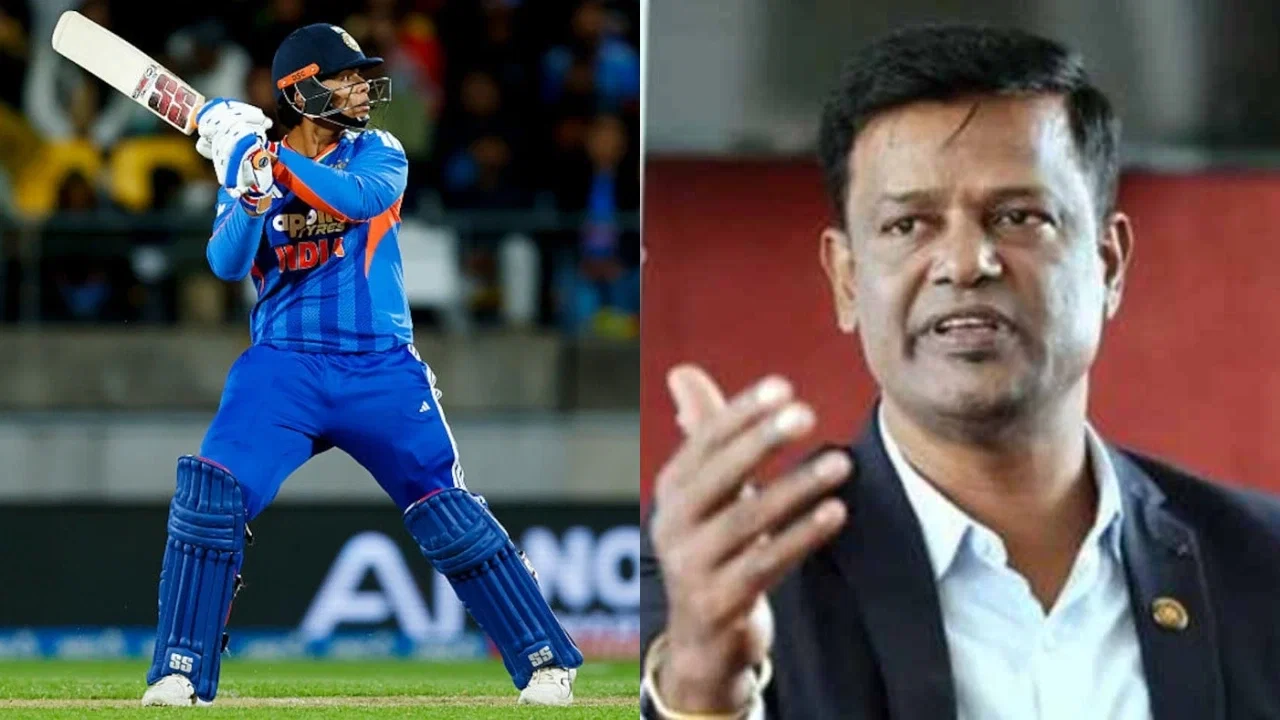
Yuvraj Singh urges BCCI to give Abhishek Sharma and Vaibhav Sooryavanshi ODI chances
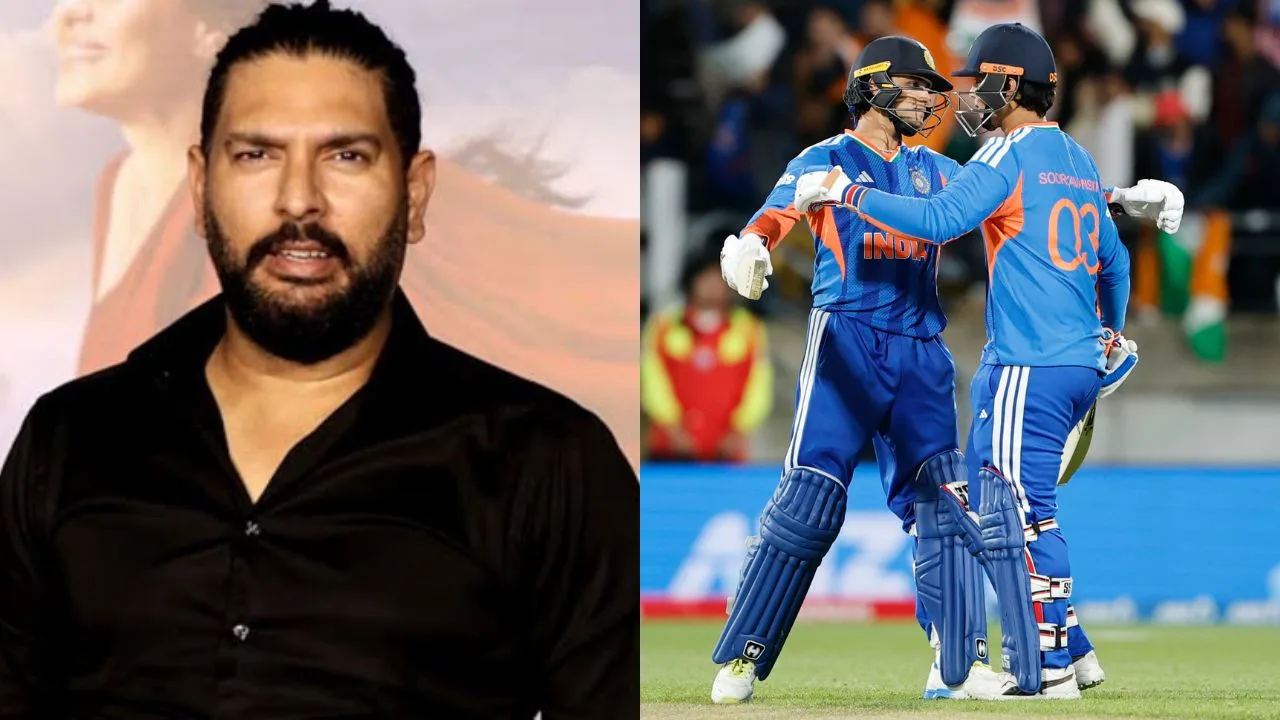
Yuvraj Singh Calls for Abhishek Sharma and Vaibhav Sooryavanshi to Get ODI Opportunities
Former India all-rounder Yuvraj Singh has urged selectors to consider a wider range of emerging batting talent for the national ODI team, specifically naming Abhishek Sharma, Ishan Kishan and Vaibhav Sooryavanshi. Yuvraj believes that leaving players of their ability outside the 50-over setup for too long risks limiting India’s options as the team builds towards the 2027 Cricket World Cup.
India’s deep talent pool has created a familiar selection challenge: promising players can produce strong performances and still struggle to find a place in a crowded national squad. Speaking to the Press Trust of India (PTI), Yuvraj said he would like to see Abhishek tested in ODIs and argued that the same consideration should extend to Kishan and Sooryavanshi.
Yuvraj says India should make room for emerging talent
Asked whether Abhishek could become an X-factor for India after the 2027 World Cup, and when he might make his ODI debut, Yuvraj made clear that he would welcome the left-handed batter in the 50-over side sooner rather than later.
“I would love to see him in the ODIs, to be honest,” Yuvraj told PTI. He added that if players such as Abhishek, Kishan and Sooryavanshi are not being considered for one-day cricket despite their performances, “somewhere down the line, we are not doing justice to our talent.”
Yuvraj also acknowledged the difficulty facing selectors. India already have several established players competing for places, and a strong batting lineup leaves limited room for newcomers. Still, he said the performances of the three players make a compelling case for them to be included in the squad soon.
He also praised Abhishek’s progress, crediting the batter’s achievements to his hard work. The former India star’s comments reflect a broader debate around selection: how to balance the security offered by experienced international players with opportunities for those making a strong impression in domestic and franchise cricket.
Why an ODI opportunity could matter for Abhishek Sharma
Abhishek has built a reputation as an aggressive top-order batter, particularly in T20 cricket, where his ability to attack from the opening overs can quickly shift momentum. An ODI call-up would give India a chance to assess how that attacking approach translates to a longer innings, where batters must manage changing conditions, pace and risk over 50 overs.
That transition is not automatic. One-day cricket demands more than power hitting: players need to rotate the strike, build partnerships and adjust their scoring rate as the innings develops. A place in the squad would allow coaches to evaluate Abhishek’s adaptability and give him experience in the format before the next major tournament cycle gathers pace.
For India, introducing younger players gradually can also strengthen competition within the team. Even if a newcomer does not immediately secure a regular starting role, training alongside senior internationals and learning the demands of ODI cricket can help prepare them for future opportunities.
Vaibhav Sooryavanshi represents India’s long-term depth
Yuvraj’s mention of Vaibhav Sooryavanshi highlights the scale of India’s emerging batting talent. Sooryavanshi has attracted attention for his performances, but moving into the senior ODI setup would be a separate challenge, requiring the selectors to weigh current form, experience and the player’s development needs.
His inclusion in the discussion does not necessarily mean an immediate place in the playing XI. Rather, it underlines the importance of tracking young prospects across formats and deciding when the right environment exists to expose them to international cricket. India’s selectors must balance the value of early experience with the need to avoid placing excessive pressure on a developing player.
Ishan Kishan, meanwhile, brings international experience and flexibility. His ability to bat in different positions could be useful in a squad that needs both specialist top-order options and adaptable reserves. Yuvraj’s comments therefore point not only to individual selections, but also to the benefits of maintaining a broad and competitive pool of ODI-ready players.
India’s New Zealand tour brings selection changes
Yuvraj’s remarks come as India tour New Zealand for a packed schedule featuring five T20Is, five ODIs and two Test matches. India have already secured the T20I series after winning the first three matches, shifting attention to the one-day leg and the challenge of competing away from home.
The ODI squads have been arranged in two groups to accommodate the demands of the wider tour. Shubman Gill is set to captain India in the first three matches, while Shreyas Iyer will lead the side in the final two. Ishan Kishan has been named vice-captain for that latter group, with regular vice-captain KL Rahul moving his focus to the Test series.
Gill is also expected to leave the ODI group for the two Tests, while several senior players are being managed around the schedule. Jasprit Bumrah has not been included in the ODI squad, reflecting the need to monitor workloads across formats. With the Test matches carrying importance in the World Test Championship race, India must distribute players carefully rather than rely on the same core for every game.
India’s ODI prediction: competition could intensify before 2027
The current squad structure shows why opportunities for emerging batters can be difficult to secure. India have established options, leadership changes across the series and players moving between formats. Yet a busy international calendar can also create openings for new names to prove their value.
Any prediction about India’s eventual 2027 World Cup lineup remains premature. Form, fitness, conditions and team balance will all shape future decisions. However, Yuvraj’s intervention adds weight to the argument that selectors should continue assessing players such as Abhishek, Kishan and Sooryavanshi in the 50-over format rather than viewing them only through their performances in shorter cricket.
For now, India’s immediate priority is to adapt to New Zealand conditions and secure a strong result in the ODI series. The longer-term question is how the team can refresh its batting resources without disrupting a successful core. Yuvraj’s message is clear: India’s depth is an advantage, but that depth needs meaningful opportunities. Giving promising players a chance in ODIs could help the selectors identify the right combinations well before the next World Cup arrives.
Latest News
Auqib Nabi replaces Prasidh Krishna in India’s squad for first three ODIs vs New Zealand
Yashasvi Jaiswal the next Rishabh Pant? Fresh duck raises questions over India future
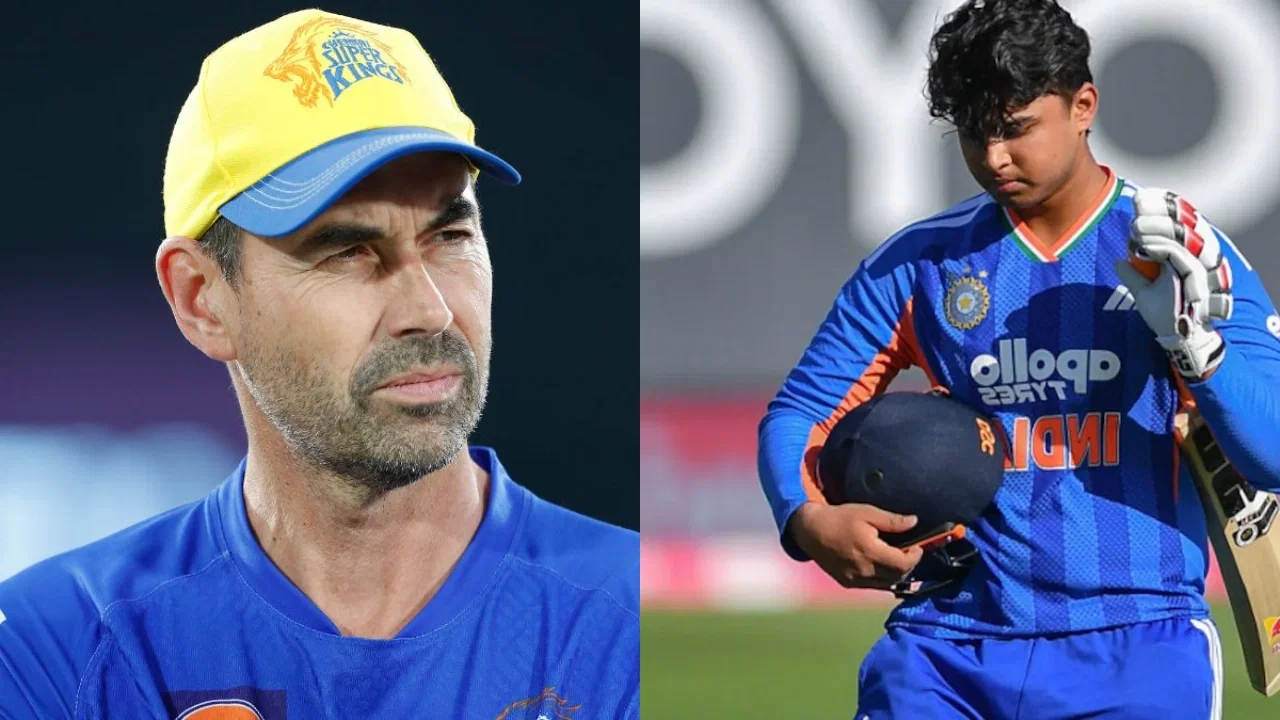
Stephen Fleming supports Team India’s decision to drop Vaibhav Sooryavanshi in 4th T20I vs New Zealand
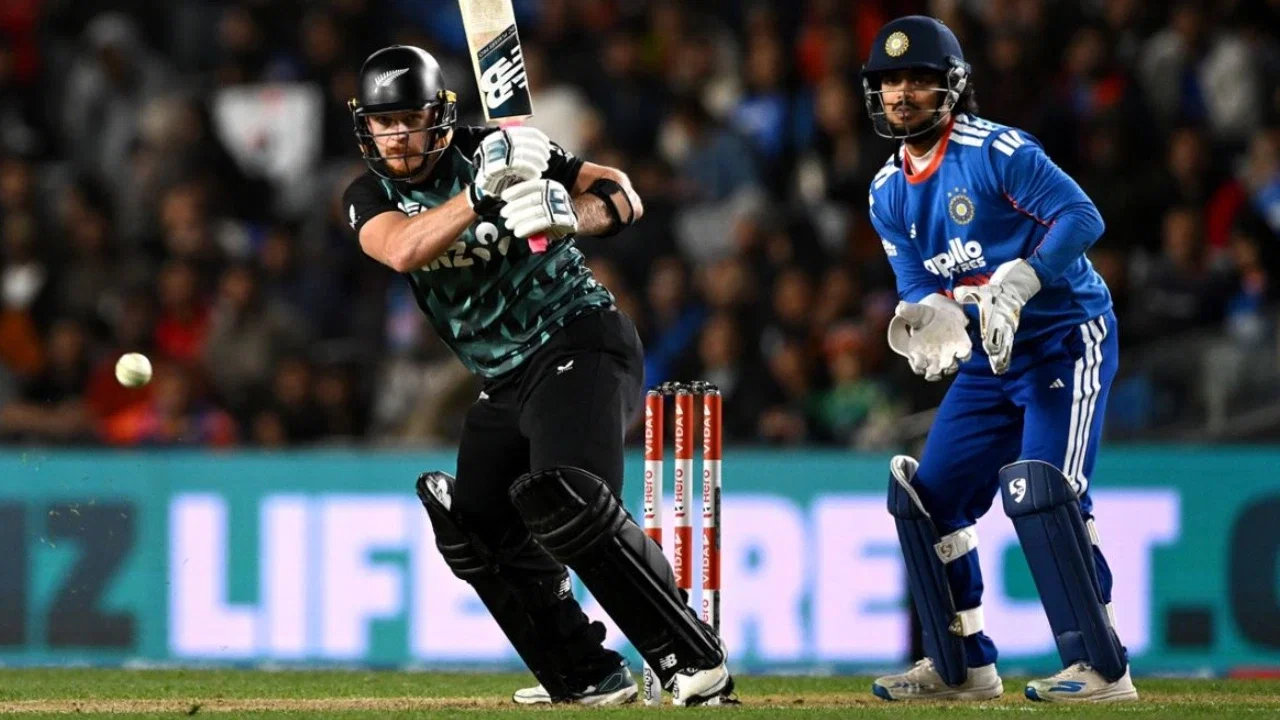
Glenn Phillips credits IPL for shaping his game after match-winning century against India
Yuvraj Singh urges BCCI to give Abhishek Sharma and Vaibhav Sooryavanshi ODI chances
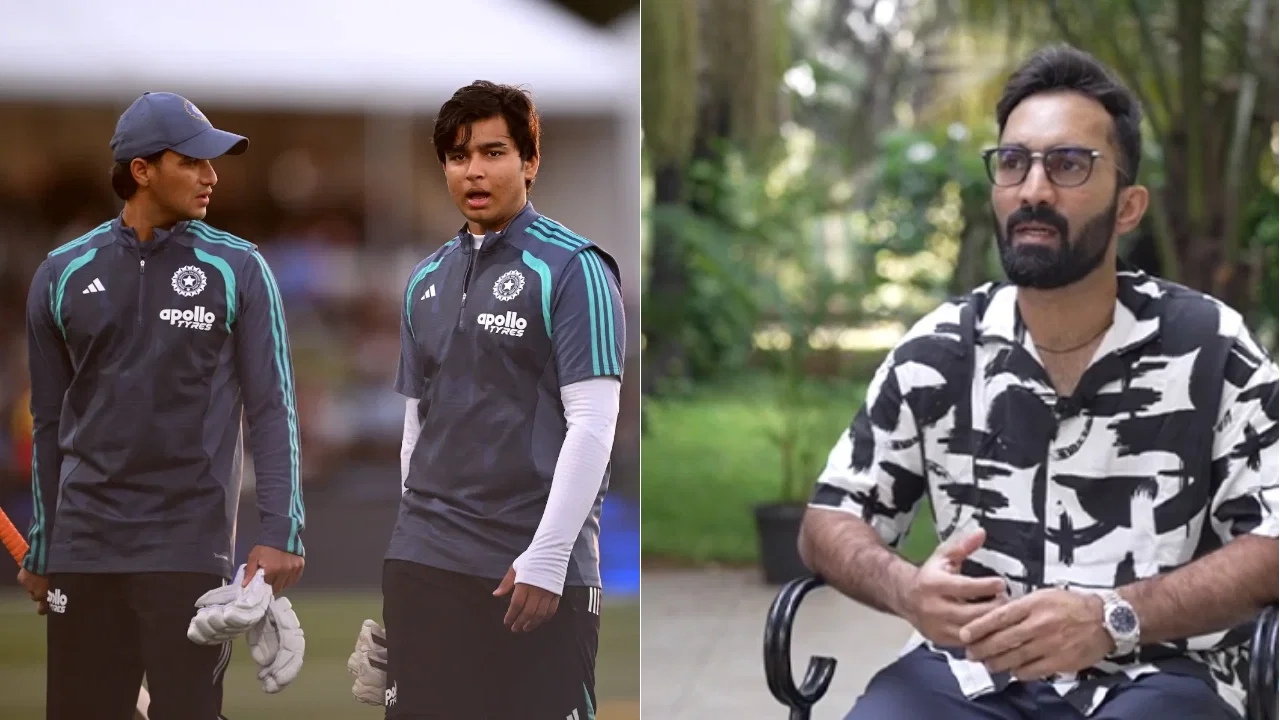
Dinesh Karthik backs Vaibhav Sooryavanshi, asks India to drop this player
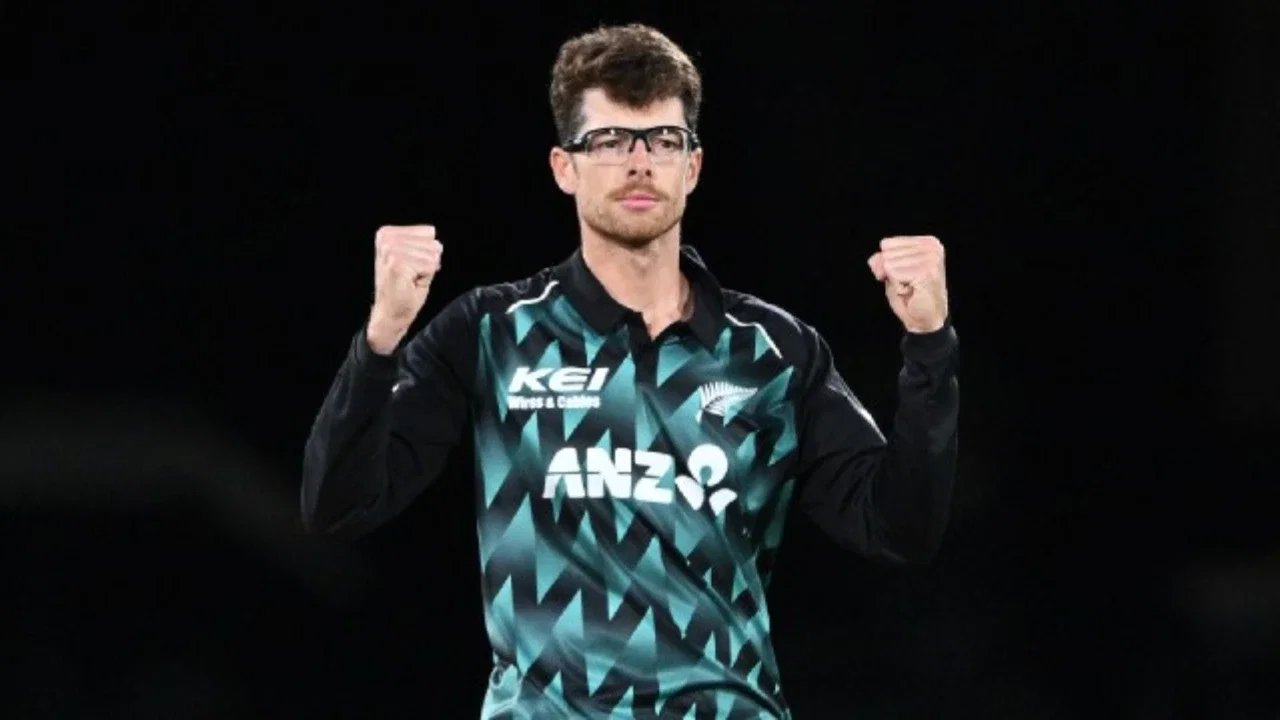
Mitchell Santner becomes leading wicket-taker against India in T20Is
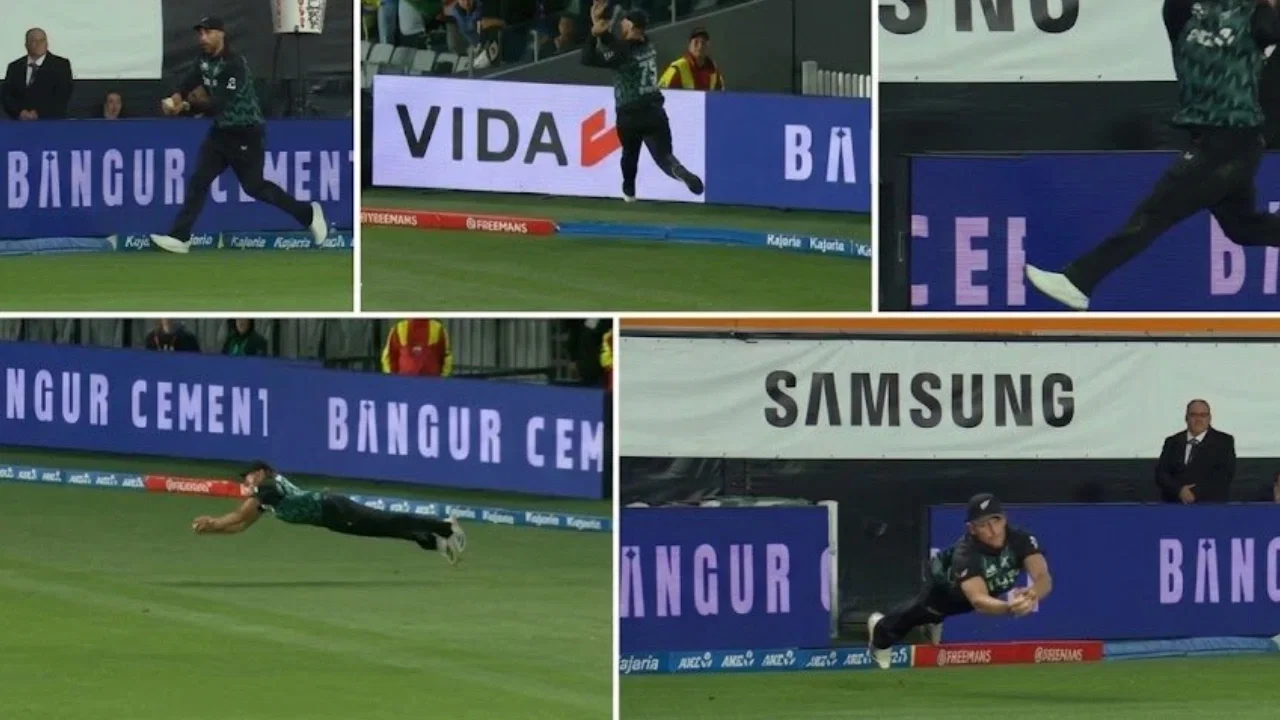
WATCH: Daryl Mitchell, Nathan Smith combine for spectacular catch in 4th T20I against India
India suffer second-biggest defeat in T20I history after 87-run loss to New Zealand
“We fell a bit short in our bowling”: Shreyas Iyer blames bowlers after India’s defeat against New Zealand
Rashid Khan scripts history, becomes first bowler to achieve rare T20I milestone
Glenn Phillips provides hamstring injury update after match-winning ton against India
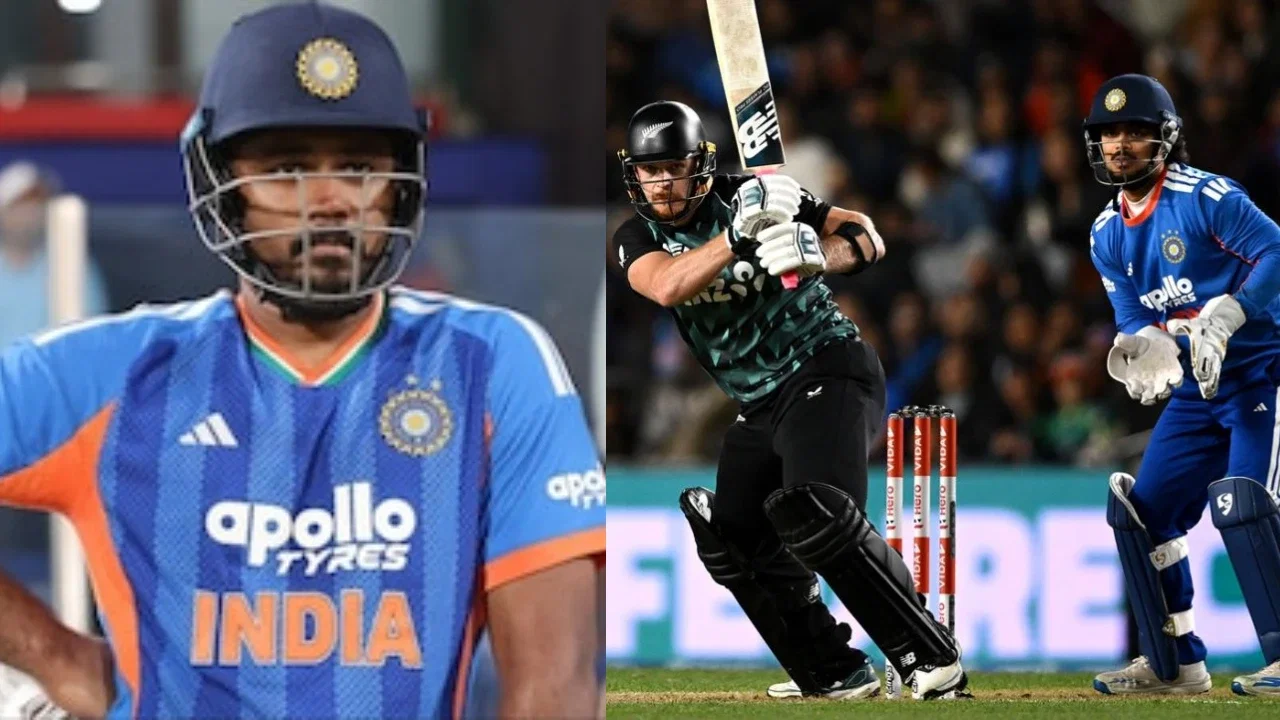
Ishan Kishan’s wicketkeeping role raises fresh questions over Sanju Samson’s India future
“It won’t happen again”: Salman Ali Agha takes indirect swipe at Mohsin Naqvi and PCB over mass sacking