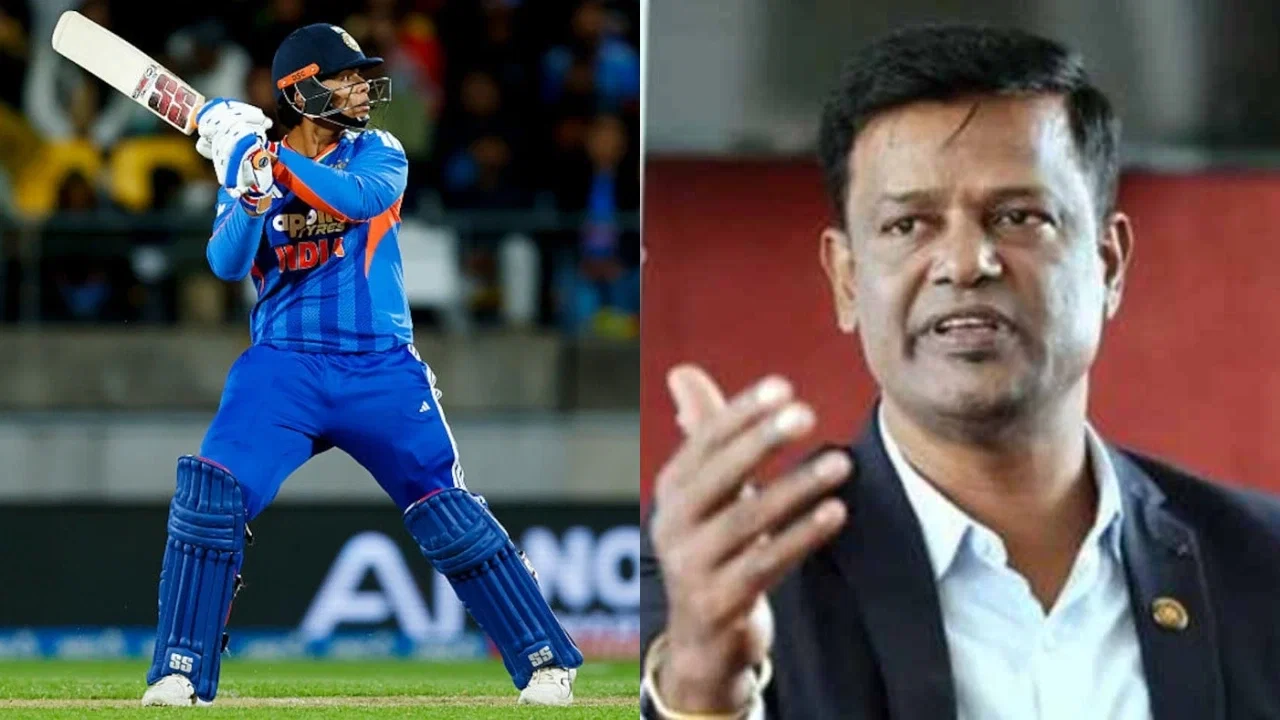
“It won’t happen again”: Salman Ali Agha takes indirect swipe at Mohsin Naqvi and PCB over mass sacking
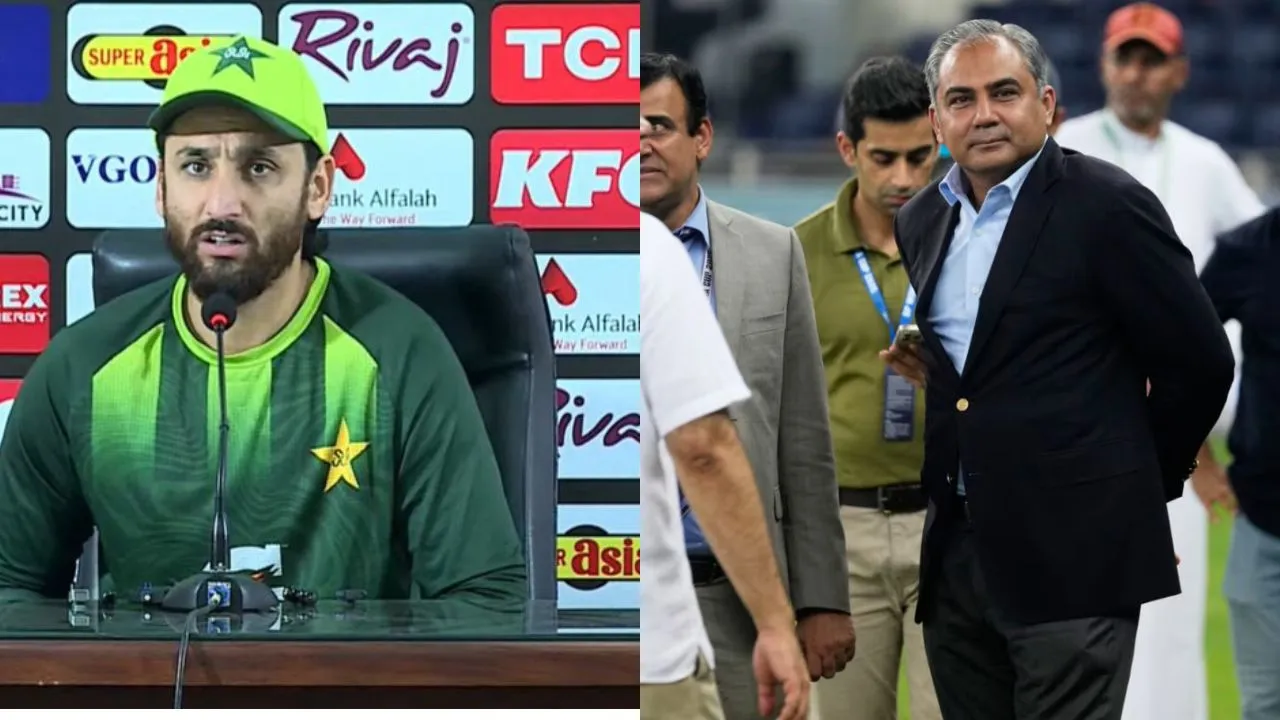
Salman Ali Agha Warns Against Mid-Series Changes as Pakistan Prepare for Sri Lanka ODI Final
Pakistan all-rounder Salman Ali Agha has called for greater stability in the national team, saying he hopes the Pakistan Cricket Board (PCB) will avoid making sweeping changes in the middle of a series. His comments come months after the board’s controversial decision to remove seven players and members of the coaching staff during Pakistan’s Test campaign against England—a move that, he suggested, left a lasting impression on the squad.
Speaking to reporters in Lahore on the eve of the tri-nation ODI final against Sri Lanka, Agha turned his attention to the challenge ahead while also reflecting on the disruption caused by the earlier shake-up. Pakistan will enter the final with encouraging momentum in the white-ball competition, but questions remain about the consistency of the top order and whether its leading batters can deliver when the title is on the line.
Agha says mid-series selection upheaval is difficult for players
The PCB’s decision to make major changes during the England series was one of the most striking developments of Pakistan’s recent Test campaign. Seven cricketers were removed from the squad, with senior names including Agha, Mohammad Rizwan and Imam-ul-Haq among those affected. The board also made changes to the coaching staff, parting ways with Sarfaraz Ahmed and bowling coach Umar Gul.
The decisions followed a difficult period for Pakistan in Test cricket. However, the scale and timing of the changes prompted discussion about how such moves affect players’ confidence, preparation and sense of security. Agha did not revisit every detail behind the PCB’s decision, but made clear that he would prefer the team not to face a similar upheaval during a future series.
“Dropping players midway through a series is not a good thing. I hope it won’t happen again in the future,” Agha said.
In cricket, selection changes are an unavoidable part of team management, particularly when results fall short of expectations. But a large-scale reshuffle during an ongoing tour can create additional uncertainty. Players may have limited time to adjust to new combinations, while those retained can also feel pressure as roles and responsibilities shift. Agha’s remarks therefore point to a broader concern about the importance of continuity alongside accountability.
Fallout extended beyond the playing group
The changes also had consequences beyond the squad. Former Pakistan captain and selector Misbah-ul-Haq resigned from his positions as a selector and academy consultant after the shake-up. His departure added another layer to the debate over the board’s approach and the wider structure of Pakistan cricket.
The episode remains a sensitive subject for some players, especially because it unfolded during an active series rather than after the tour had concluded. Agha’s comments suggest that the experience is still remembered within the group, even as the team shifts its focus to a different format and a new opportunity.
Pakistan look to carry white-ball form into the final
Pakistan’s recent performances in the tri-nation ODI series have offered a more positive picture than the team’s difficult Test campaign in England. Playing at home, the Men in Green have shown improved form with both bat and ball, giving them reason to approach the final with confidence. The match against Sri Lanka represents a chance to turn that progress into silverware.
Agha’s prediction was confident but conditional: Pakistan can win if the players perform to their strengths. He said the team has the ability to secure the title, while recognising that a final can be decided by small moments—a partnership that steadies an innings, a breakthrough at the right time, or a sharp spell of fielding.
“If we play to our strengths, we can win the final comfortably,” he said.
That assessment places the emphasis on execution rather than reputation. Pakistan’s bowling resources can put pressure on Sri Lanka, but the batters will need to provide a competitive platform. In a one-day final, a strong start can shape the entire innings, allowing the middle order to build rather than repair. For Pakistan, the performance of the top order could be one of the match’s defining factors.
Top-order form remains a concern
Agha acknowledged that Pakistan’s top-order batters have not been scoring as consistently as they did several years ago. That lack of regular runs has become a talking point as the team approaches the final, where early wickets can quickly expose the middle order and alter a side’s plans.
“Our top order is not scoring runs the way it used to three or four years ago. Tomorrow is the final, and I hope it clicks,” Agha said.
The comment reflects both concern and optimism. Pakistan do not need every batter to produce a major score, but a composed start would help the team manage the demands of a high-pressure match. The top order’s task will be to balance caution with intent, especially against a Sri Lankan attack looking to exploit any early uncertainty.
Agha backs Babar Azam and Fakhar Zaman
Despite scrutiny over their recent returns, Agha defended Babar Azam and Fakhar Zaman, describing them as among the best players in the ODI format. Both have delivered significant contributions for Pakistan over the years, and Agha argued that a lean patch should not erase their record or their value to the side.
“Fakhar and Babar are among the best one-day players. They have won so many matches for Pakistan. Sometimes things do not go your way in cricket, and I think that is what is happening with them,” he said.
Backing established players can help maintain confidence, but the final will also demand immediate performance. Babar’s ability to anchor an innings and Fakhar’s capacity to attack can give Pakistan different ways to build a score. If either finds rhythm, the impact could extend beyond individual runs by easing pressure on the rest of the batting line-up.
Prediction: Pakistan’s title hopes may hinge on a fast start
Pakistan will be favourites in their own conditions, particularly after showing stronger form in the white-ball series. Still, the final is unlikely to be decided by expectations alone. Sri Lanka will aim to disrupt Pakistan’s plans, and the home side’s best route to victory may be a disciplined performance across all departments: an assured opening partnership, smart middle-overs batting and sustained pressure with the ball.
Agha’s message ahead of the final is therefore twofold. Pakistan must trust the players who have brought them to this stage, while recognising that the top order needs to convert potential into runs. His comments about the England series also underline how important stability can be in building a settled team environment. For now, the focus is on Sri Lanka—and on whether Pakistan can turn home advantage and recent momentum into a tri-nation ODI title.
Latest News
Auqib Nabi replaces Prasidh Krishna in India’s squad for first three ODIs vs New Zealand
Yashasvi Jaiswal the next Rishabh Pant? Fresh duck raises questions over India future
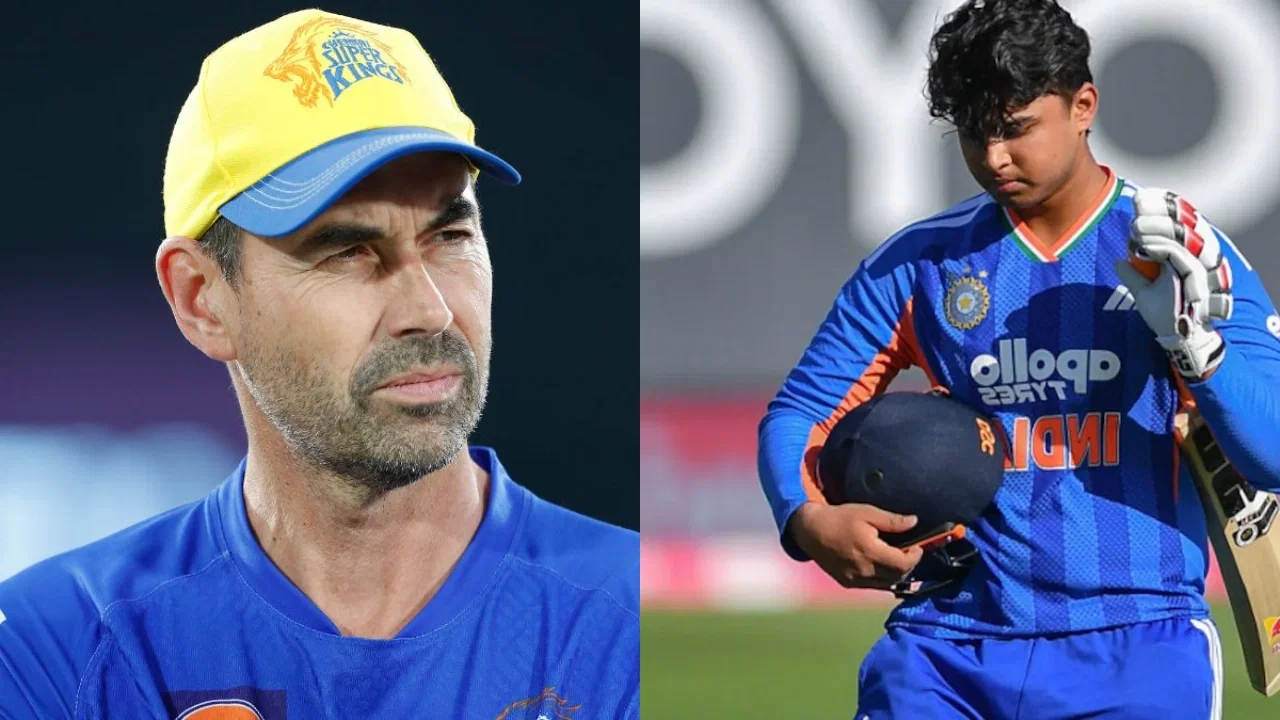
Stephen Fleming supports Team India’s decision to drop Vaibhav Sooryavanshi in 4th T20I vs New Zealand
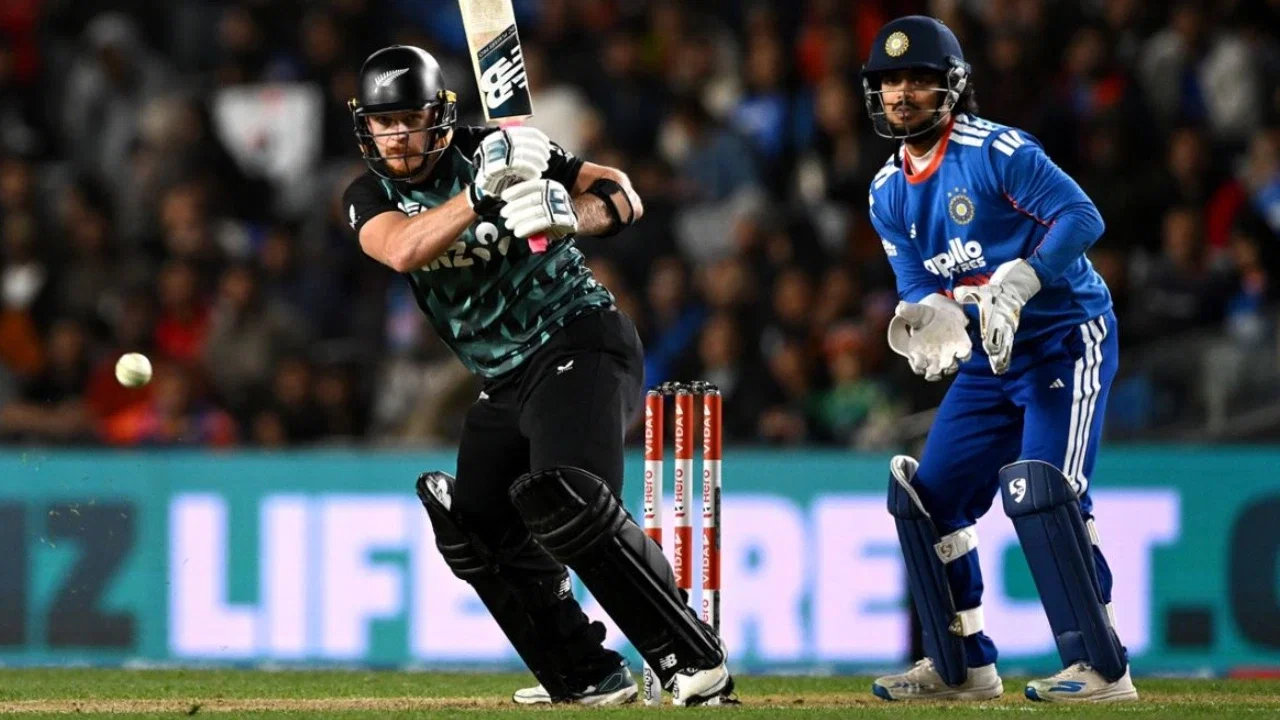
Glenn Phillips credits IPL for shaping his game after match-winning century against India
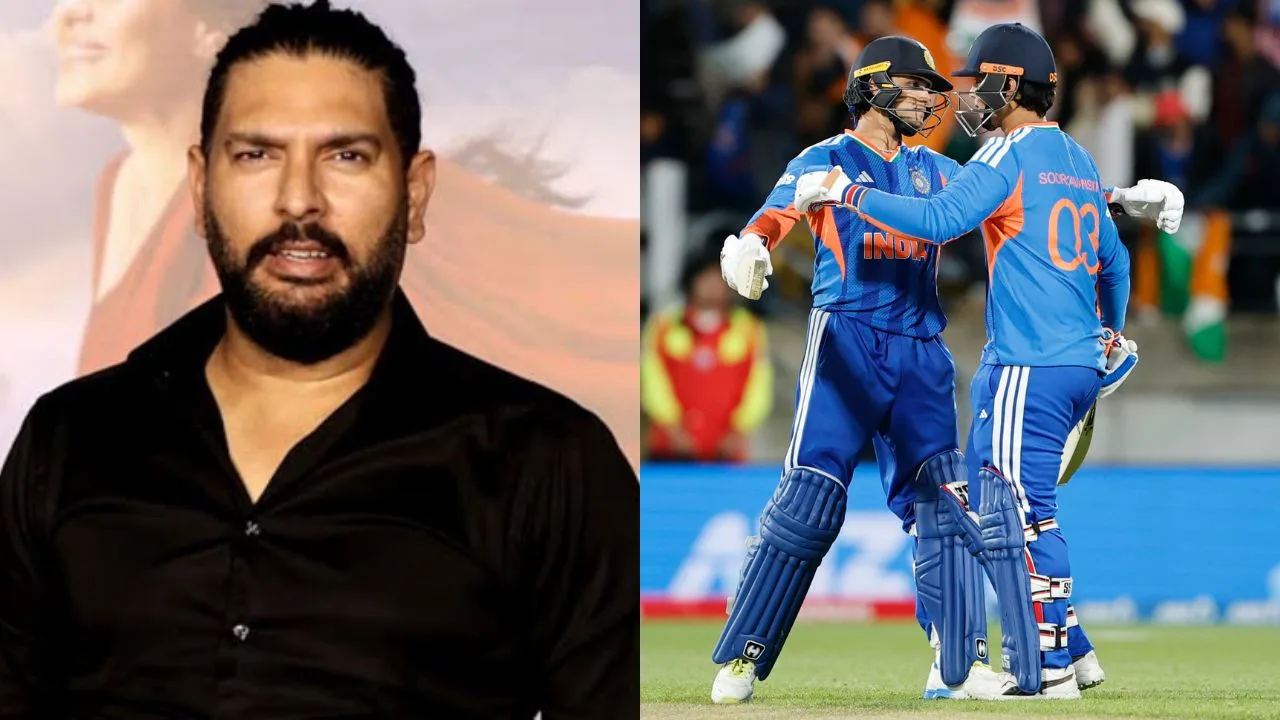
Yuvraj Singh urges BCCI to give Abhishek Sharma and Vaibhav Sooryavanshi ODI chances

Dinesh Karthik backs Vaibhav Sooryavanshi, asks India to drop this player

Mitchell Santner becomes leading wicket-taker against India in T20Is
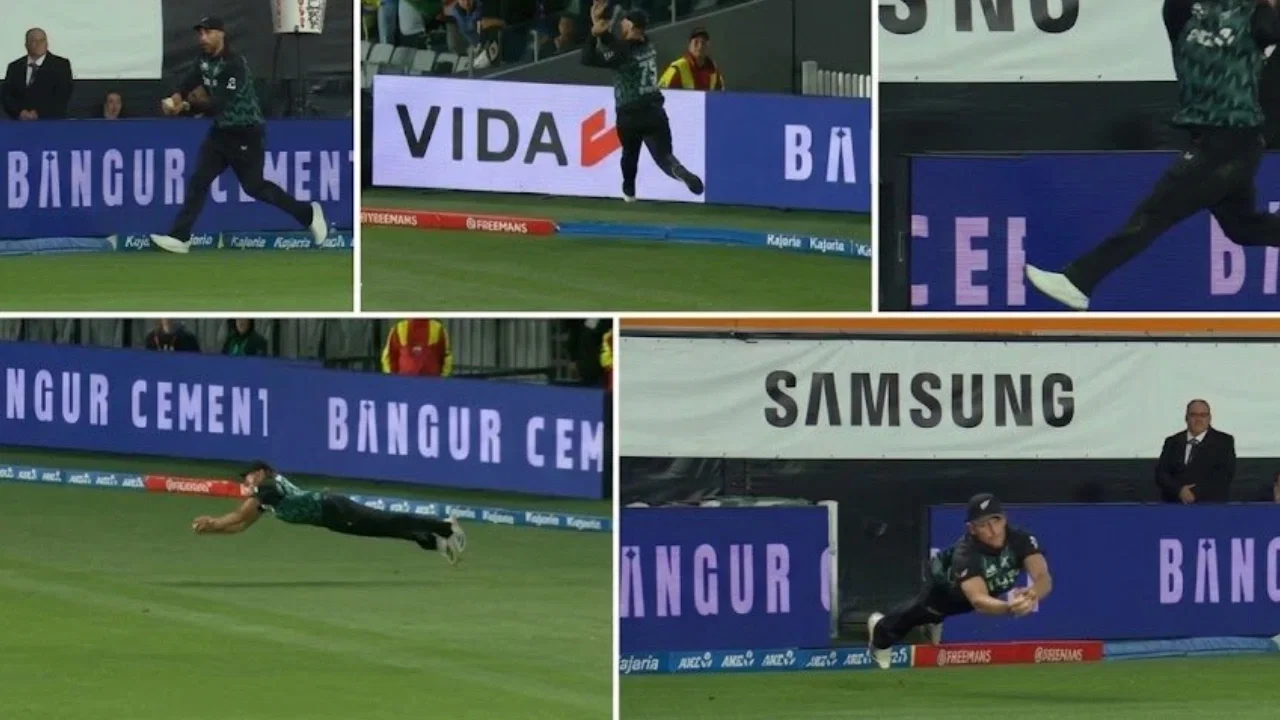
WATCH: Daryl Mitchell, Nathan Smith combine for spectacular catch in 4th T20I against India
India suffer second-biggest defeat in T20I history after 87-run loss to New Zealand
“We fell a bit short in our bowling”: Shreyas Iyer blames bowlers after India’s defeat against New Zealand
Rashid Khan scripts history, becomes first bowler to achieve rare T20I milestone

Glenn Phillips provides hamstring injury update after match-winning ton against India

Ishan Kishan’s wicketkeeping role raises fresh questions over Sanju Samson’s India future
“It won’t happen again”: Salman Ali Agha takes indirect swipe at Mohsin Naqvi and PCB over mass sacking