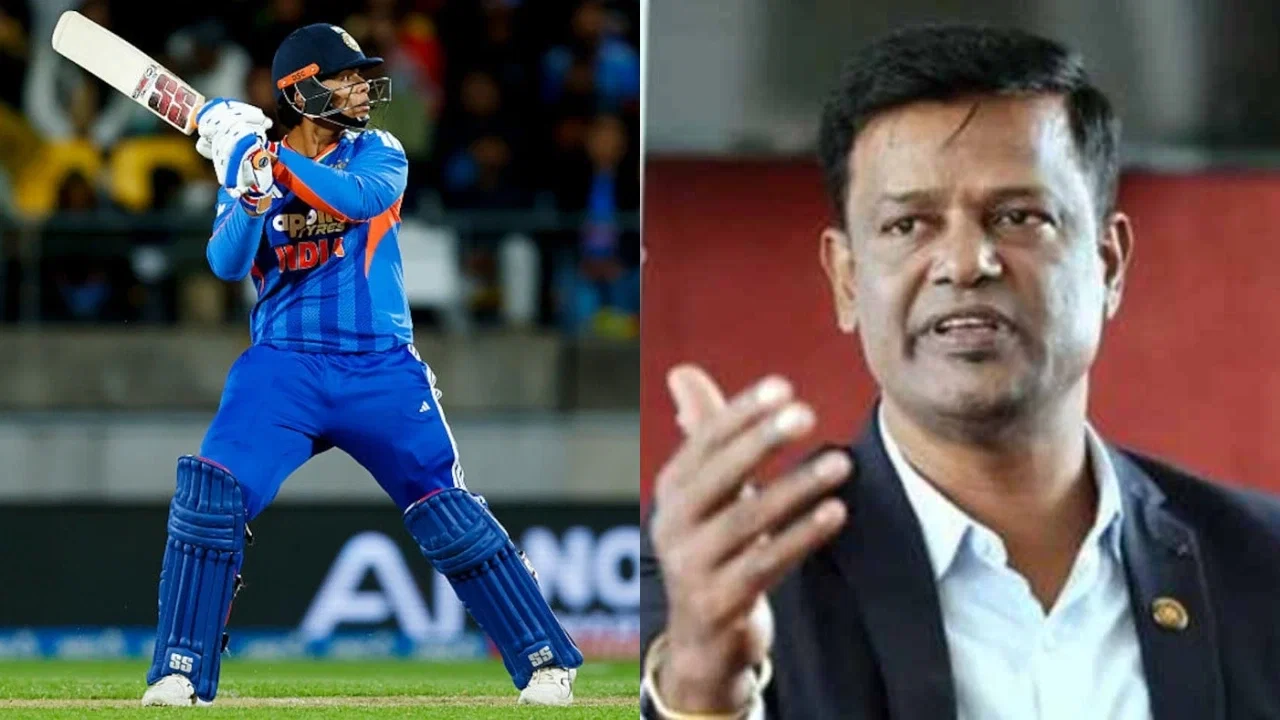
Yashasvi Jaiswal the next Rishabh Pant? Fresh duck raises questions over India future
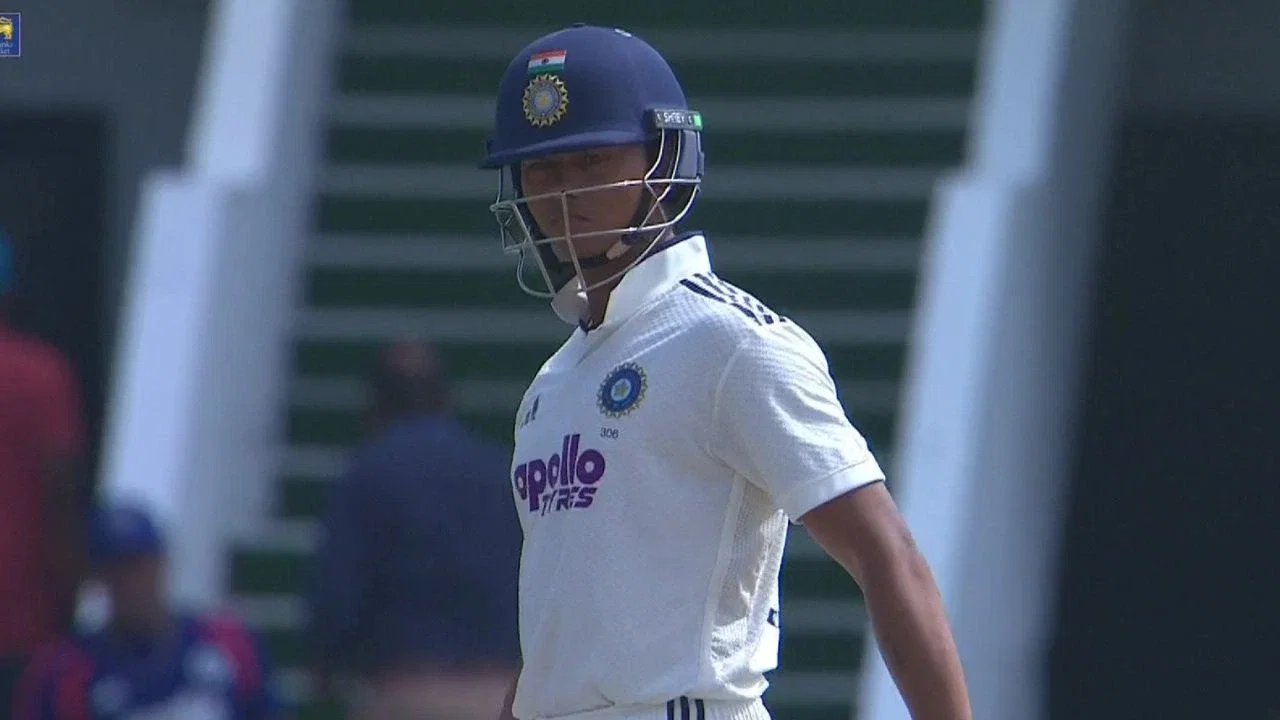
Yashasvi Jaiswal’s Batting Slump Deepens as India A Lose Early Wickets Against New Zealand A
Yashasvi Jaiswal’s difficult run in red-ball cricket continued in the second unofficial Test between India A and New Zealand A at Hagley Oval in Christchurch on Saturday, October 31. The India opener was dismissed for a four-ball duck in the opening over, leaving his side under immediate pressure after New Zealand A chose to bowl.
Seamer Fraser Sheat trapped Jaiswal lbw, adding an early breakthrough to a challenging day for the visitors. The dismissal extended the left-hander’s sequence of low scores on the New Zealand tour and has brought renewed attention to his form ahead of the senior teams’ two-Test series, scheduled to begin at the Basin Reserve in Wellington on November 19.
Jaiswal’s Form Under Scrutiny Before the Test Series
Jaiswal has now gone three consecutive innings without making a substantial contribution on the tour. In the first unofficial Test against New Zealand A, he scored 17 and 5. His second-innings dismissal came after a bouncer from Zak Gibson brushed his gloves before he was caught at slip.
The latest failure also extends a broader lean spell in the longest format. Jaiswal has not scored a half-century in red-ball cricket since August, while his recent performances across tours and domestic cricket have included several early exits. Earlier this month, he was dismissed for a 13-ball duck against Chandigarh in Mumbai’s Ranji Trophy season opener.
Since the Sri Lanka tour, Jaiswal has recorded four ducks in his last nine innings. His three-innings return of 77 runs in the drawn Test series included a second-innings duck in the first Test in Galle, and he also failed to score in a warm-up match against the Sri Lanka Cricket XI.
A difficult patch does not erase the considerable promise Jaiswal has shown in international cricket, but the timing makes this period significant. The upcoming Tests in New Zealand are expected to test India’s top order against swing and seam movement, particularly in conditions where the ball can move through the air and off the surface. The prediction for the series will depend partly on how quickly India’s batters adapt to those conditions—and whether Jaiswal can regain the confidence and rhythm that have made him an important part of the team’s plans.
Jaiswal was included in India’s ODI squad for the West Indies series but did not play in any of the three matches. He has not been selected for the forthcoming five-match ODI series against New Zealand, which begins in Auckland on November 4, leaving the India A fixtures as an important opportunity to build time in the middle before the Test campaign.
Padikkal and Sudharsan Provide a Brief Recovery
After Jaiswal’s early dismissal, Devdutt Padikkal and Sai Sudharsan steadied the innings with a second-wicket partnership worth 91 runs. The pair resisted New Zealand A’s opening burst and helped India A recover from a difficult start, but the stand ended when Sudharsan chased a delivery outside off stump from Jarrod McKay. He edged behind to the wicketkeeper for 41.
Padikkal looked in good touch once again. Batting at No. 3, the Karnataka batter made 80 from 140 deliveries, striking 12 boundaries. His innings followed a remarkable 199 in the second innings of the first unofficial Test in Lincoln, making him one of India A’s most reliable performers during the tour.
However, Padikkal could not convert his start into another major score. Attempting to cut a delivery that was not wide enough, he chopped the ball onto his stumps. His dismissal left India A needing another partnership to prevent New Zealand A from taking firm control.
Yash Rathod, who had been India A’s leading scorer in the first unofficial Test, made 13 from 22 balls before falling while attempting an expansive shot outside off stump. Smaran Ravichandran followed for a golden duck, trapped lbw by an incoming delivery. Those wickets turned a promising recovery into a collapse, with India A reduced to 137 for 5.
Fraser Sheat Leads New Zealand A’s Seam Attack
New Zealand A made effective use of the movement on offer at Hagley Oval, where the conditions rewarded disciplined seam bowling. Sheat was the standout bowler, claiming three wickets and striking in the first over to remove Jaiswal. His success reflected a broader pattern: India A’s batters were repeatedly drawn into playing at deliveries outside off stump.
McKay also contributed with the key dismissal of Sudharsan, while the New Zealand A attack maintained pressure by targeting the channel just outside the batters’ reach. For India A, the innings highlighted the importance of patience in Christchurch, where leaving the ball well can be as valuable as scoring freely.
The challenge for the visitors was not simply to score runs, but to balance positive intent with careful shot selection. Padikkal and Sudharsan showed that partnerships were possible, yet the quick succession of wickets after their stand gave the hosts a chance to dictate the pace of the contest.
Jurel and Sundar Focus on Rebuilding
With India A at 137 for 5, captain Dhruv Jurel and Washington Sundar took a cautious approach. The pair added 23 runs from 87 deliveries, prioritising survival and attempting to blunt the seamers after the middle order had fallen away.
Their measured stand offered India A a chance to regroup, although the side remained in need of a substantial partnership to post a competitive total. Jurel’s leadership and Sundar’s experience could prove important as the innings develops, particularly if they can make New Zealand A work for further breakthroughs.
India A made three changes to their XI for the second unofficial Test, bringing in Mohammed Siraj, Manav Suthar and Mukesh Kumar. KL Rahul and Anshul Kamboj were unavailable because of their involvement in the upcoming ODI series.
What the Christchurch Match Could Mean for India
The match offers India A more than a chance to compete for a result: it provides valuable preparation in conditions similar to those expected in the senior Test series. For Jaiswal, the immediate priority will be to respond to the early dismissal with a composed innings in his next opportunity. For the wider batting group, the lesson is clear—New Zealand A’s disciplined attack can punish loose shots, especially outside off stump.
Padikkal’s fluent 80 was a positive sign, while the lower-order resistance from Jurel and Sundar could still help India A recover. The prediction for the remainder of the contest will hinge on whether the visitors can turn that cautious stand into a larger partnership and make better use of their next batting opportunities. With the Test series approaching, every innings in Christchurch carries added significance for players hoping to build form, confidence and a case for selection.
Latest News
Auqib Nabi replaces Prasidh Krishna in India’s squad for first three ODIs vs New Zealand
Yashasvi Jaiswal the next Rishabh Pant? Fresh duck raises questions over India future
Stephen Fleming supports Team India’s decision to drop Vaibhav Sooryavanshi in 4th T20I vs New Zealand
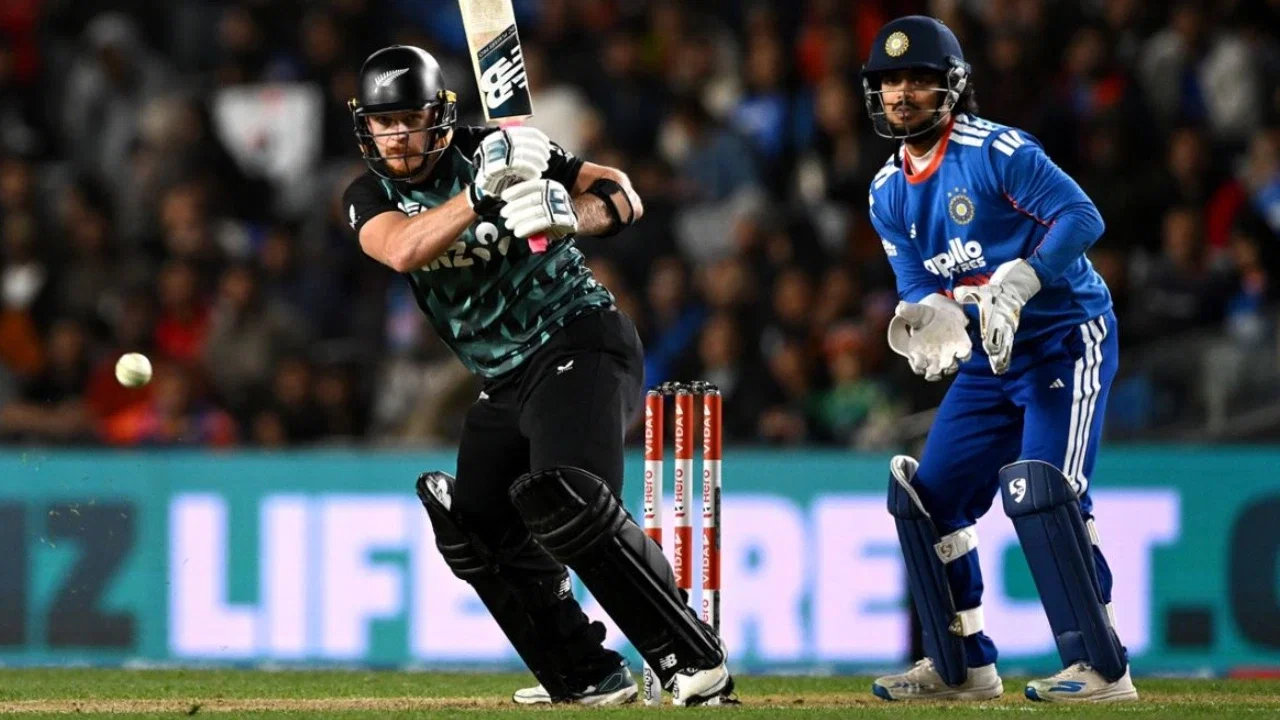
Glenn Phillips credits IPL for shaping his game after match-winning century against India
Yuvraj Singh urges BCCI to give Abhishek Sharma and Vaibhav Sooryavanshi ODI chances

Dinesh Karthik backs Vaibhav Sooryavanshi, asks India to drop this player

Mitchell Santner becomes leading wicket-taker against India in T20Is
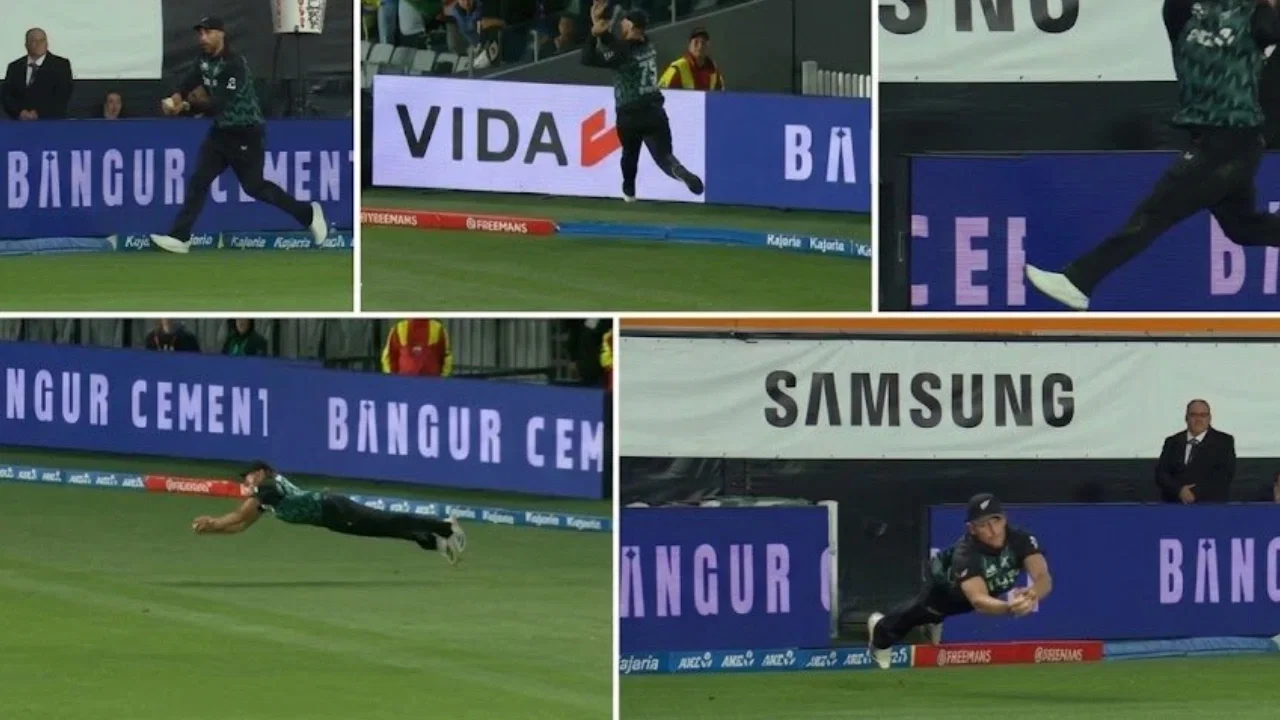
WATCH: Daryl Mitchell, Nathan Smith combine for spectacular catch in 4th T20I against India
India suffer second-biggest defeat in T20I history after 87-run loss to New Zealand
“We fell a bit short in our bowling”: Shreyas Iyer blames bowlers after India’s defeat against New Zealand

Rashid Khan scripts history, becomes first bowler to achieve rare T20I milestone

Glenn Phillips provides hamstring injury update after match-winning ton against India

Ishan Kishan’s wicketkeeping role raises fresh questions over Sanju Samson’s India future
“It won’t happen again”: Salman Ali Agha takes indirect swipe at Mohsin Naqvi and PCB over mass sacking