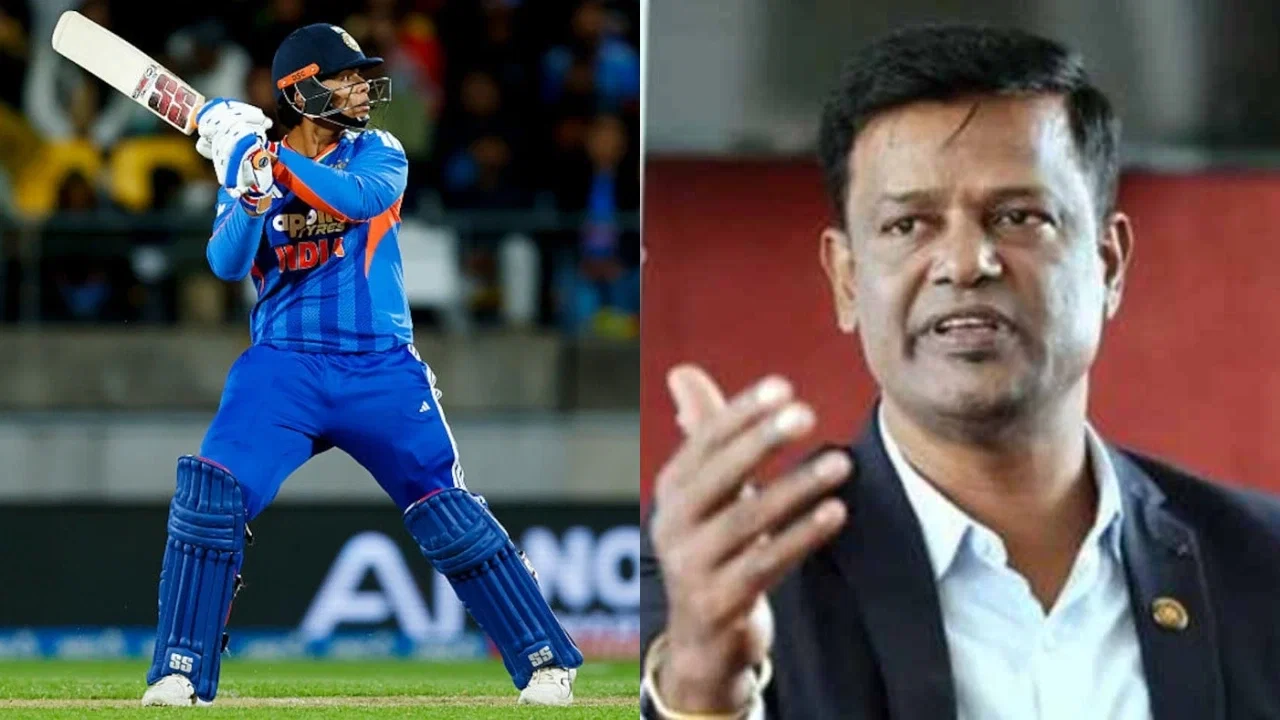
Dinesh Karthik backs Vaibhav Sooryavanshi, asks India to drop this player
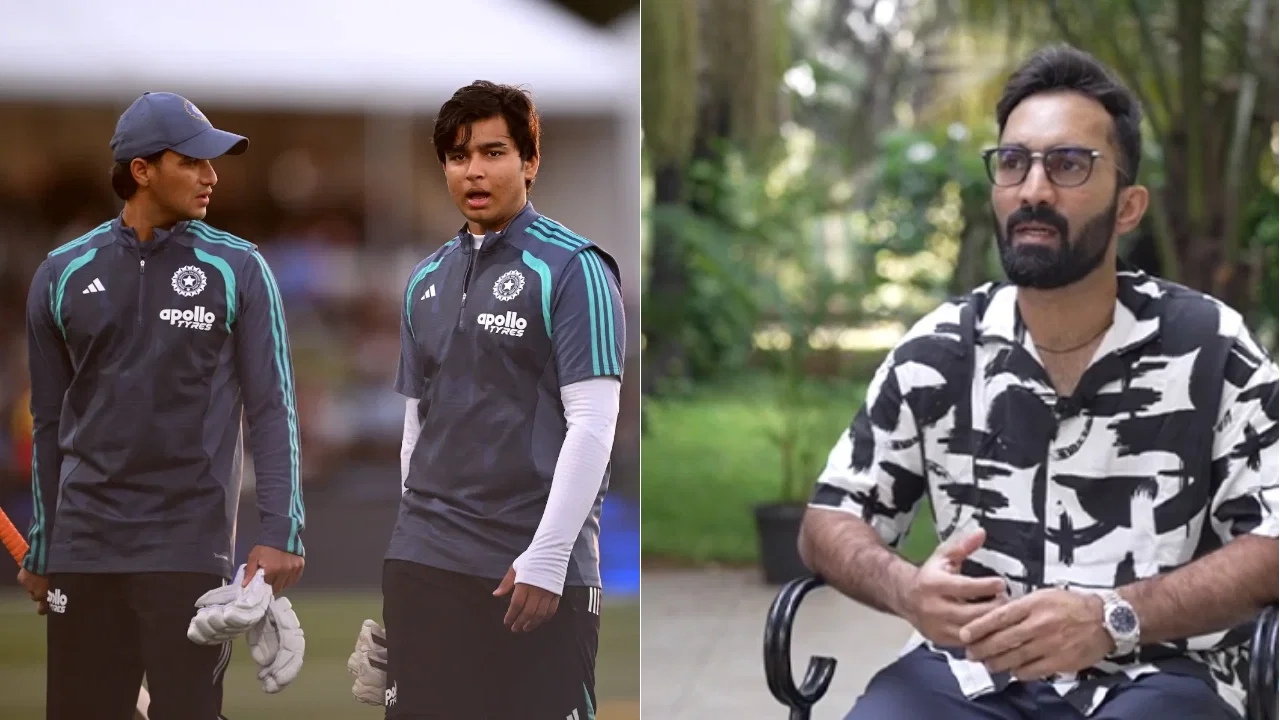
Dinesh Karthik Backs Vaibhav Sooryavanshi’s Return, Says Abhishek Sharma Could Rest
Former India wicketkeeper-batter Dinesh Karthik has suggested a possible change to India’s batting order for the fifth T20I against New Zealand: give young opener Vaibhav Sooryavanshi another opportunity by resting Abhishek Sharma. Karthik’s view comes after India’s heavy defeat in the fourth match and amid discussion about workload management, selection balance and how best to use the team’s emerging talent.
India lost the fourth T20I by 87 runs at Eden Park in Auckland, struggling to respond to New Zealand’s imposing total. The result has put added focus on the lineup ahead of the series finale in Hamilton on Sunday, November 1. With Ishan Kishan returning from injury for the fourth match, Sooryavanshi was left out, prompting fresh debate over where the 15-year-old fits into the team.
Karthik: Give Abhishek Sharma a Break to Make Room
Speaking on Cricbuzz, Karthik argued that India’s selection choices have repeatedly placed the competition for a spot on Sanju Samson rather than on Abhishek Sharma. He believes that if the team genuinely wants to include Sooryavanshi, it should consider resting Abhishek instead of treating Samson as the automatic player to make way.
“If they want to play Vaibhav, it has got to be in place of Abhishek, to give him a break,” Karthik said. He added that whenever Sooryavanshi has been discussed as a selection option, Samson has tended to be the player left out. In Karthik’s view, a planned break for Abhishek could offer a more balanced solution.
The suggestion is not necessarily a judgment on Abhishek’s ability or long-term place in the side. Rather, it reflects the demands of a packed international schedule and the value of managing players’ workloads. A short rest could allow India to assess another opening combination while keeping Abhishek fresh for upcoming assignments.
How India’s Opening Combination Could Change
If Abhishek is rested, Karthik’s proposed arrangement would see Samson partner Sooryavanshi at the top of the order, with Kishan moving into the No. 3 position. That would give India a left-right mix among the openers and allow the selectors to evaluate Sooryavanshi in his preferred role rather than asking him to adapt to the middle order.
Such a change would also create a meaningful test for the young batter. Opening in T20 cricket brings a different set of demands from batting at No. 3: the opener must assess the new ball, take advantage of the fielding restrictions and balance early aggression with the need to build an innings. India could use the final match to see how Sooryavanshi handles those responsibilities against a strong New Zealand attack.
However, any selection decision would need to account for the wider team balance. Samson, Kishan, Abhishek and Sooryavanshi offer different strengths, and the management must decide whether its priority is continuity, recovery time, or a closer look at a promising newcomer. The result of the fourth T20I may influence that calculation, but one defeat alone does not necessarily call for sweeping changes.
Sooryavanshi’s Chances in the Series So Far
Sooryavanshi has appeared in two matches during the series, with his opportunities shaped in part by Kishan’s injury. In the second T20I, he was placed at No. 3, stepping into the batting position associated with Kishan, but was dismissed for four. The unfamiliar role offered limited time to settle, and the innings did not provide a clear measure of what he might contribute as an opener.
He returned to the top of the order in the following match and made a much stronger impression. Sooryavanshi struck 45 from just 19 deliveries, hitting four boundaries and six sixes while India chased a target of 199. The quick-fire innings showcased his ability to attack from the outset and gave supporters a glimpse of the impact he could have in the powerplay.
That performance has helped fuel calls for another opportunity. Still, a single explosive innings should be viewed in context: young players benefit from consistent roles, but they also need time to adjust to different opponents and match situations. A further outing as an opener would give the team a better basis for assessing his potential in the format.
India’s Batting Under Pressure in Auckland
Sooryavanshi was not selected for the fourth match, when India faced a target of 260. The chase began poorly, with Samson scoring four and Abhishek making 27 before Kishan was dismissed for a three-ball duck. The early wickets left India with little room to control the required rate, and the side ultimately fell well short as New Zealand secured a commanding 87-run win.
The defeat has sharpened questions about India’s top order, but the circumstances of a steep chase matter. A target of 260 demands sustained attacking intent, and early dismissals can quickly turn a difficult pursuit into an almost impossible one. India’s management will need to separate the lessons from that match from the broader question of whether the existing batting combination remains the best choice for the series finale.
Selection Prediction Ahead of the Fifth T20I
The main prediction surrounding India’s lineup is whether the team will choose continuity or use the final game to rotate its top order. Karthik’s recommendation offers a clear option: rest Abhishek, open with Samson and Sooryavanshi, and place Kishan at No. 3. That arrangement would reward Sooryavanshi’s promising 45-run display while giving Abhishek a chance to recover.
There are, however, reasons the management may decide against changing the combination. Abhishek remains an established attacking option, and the team may prefer to maintain stability rather than alter several positions after one disappointing result. The final decision will likely depend on fitness, workload assessments and the coaching staff’s view of the conditions in Hamilton.
Whatever the outcome, the debate highlights a broader challenge for India: creating space for emerging players without making selection feel like a direct contest between individuals. Sooryavanshi’s talent has drawn attention, but a well-defined role and careful development may matter more than a single appearance. The fifth T20I will reveal whether India sees the series finale as the right moment to test that approach.
Latest News
Auqib Nabi replaces Prasidh Krishna in India’s squad for first three ODIs vs New Zealand
Yashasvi Jaiswal the next Rishabh Pant? Fresh duck raises questions over India future
Stephen Fleming supports Team India’s decision to drop Vaibhav Sooryavanshi in 4th T20I vs New Zealand
Glenn Phillips credits IPL for shaping his game after match-winning century against India
Yuvraj Singh urges BCCI to give Abhishek Sharma and Vaibhav Sooryavanshi ODI chances
Dinesh Karthik backs Vaibhav Sooryavanshi, asks India to drop this player
Mitchell Santner becomes leading wicket-taker against India in T20Is
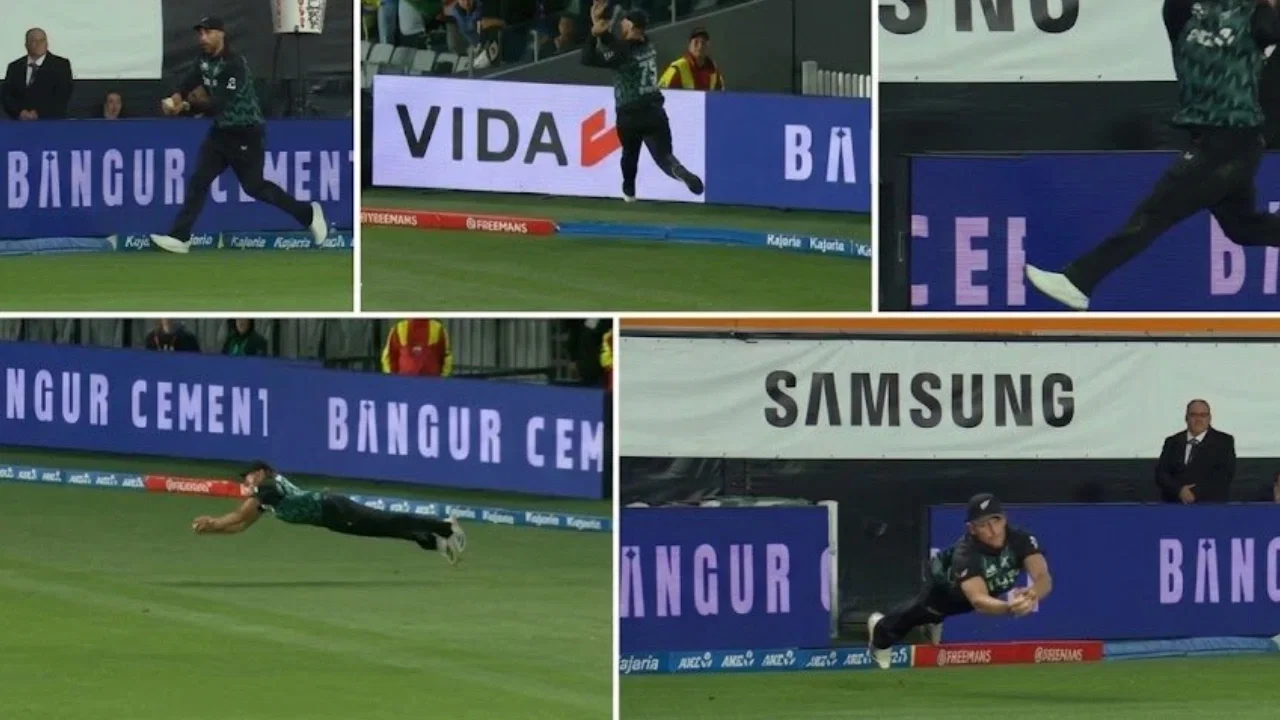
WATCH: Daryl Mitchell, Nathan Smith combine for spectacular catch in 4th T20I against India
India suffer second-biggest defeat in T20I history after 87-run loss to New Zealand
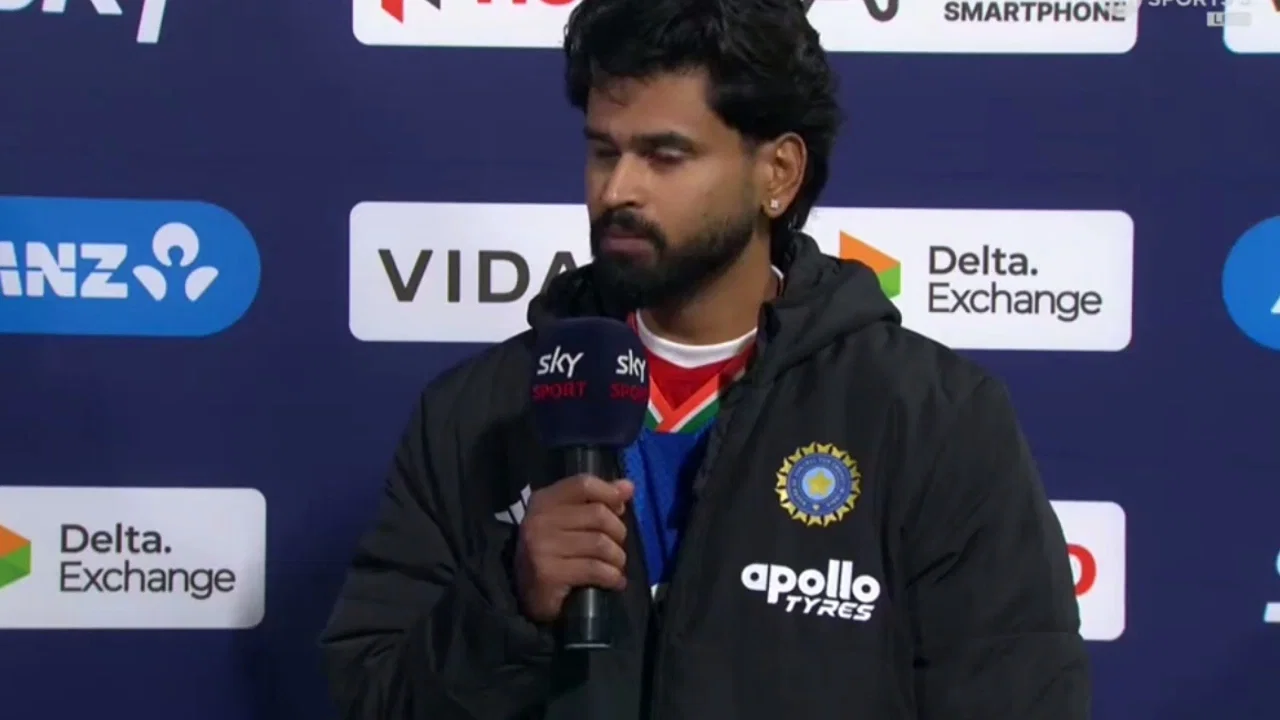
“We fell a bit short in our bowling”: Shreyas Iyer blames bowlers after India’s defeat against New Zealand
Rashid Khan scripts history, becomes first bowler to achieve rare T20I milestone

Glenn Phillips provides hamstring injury update after match-winning ton against India
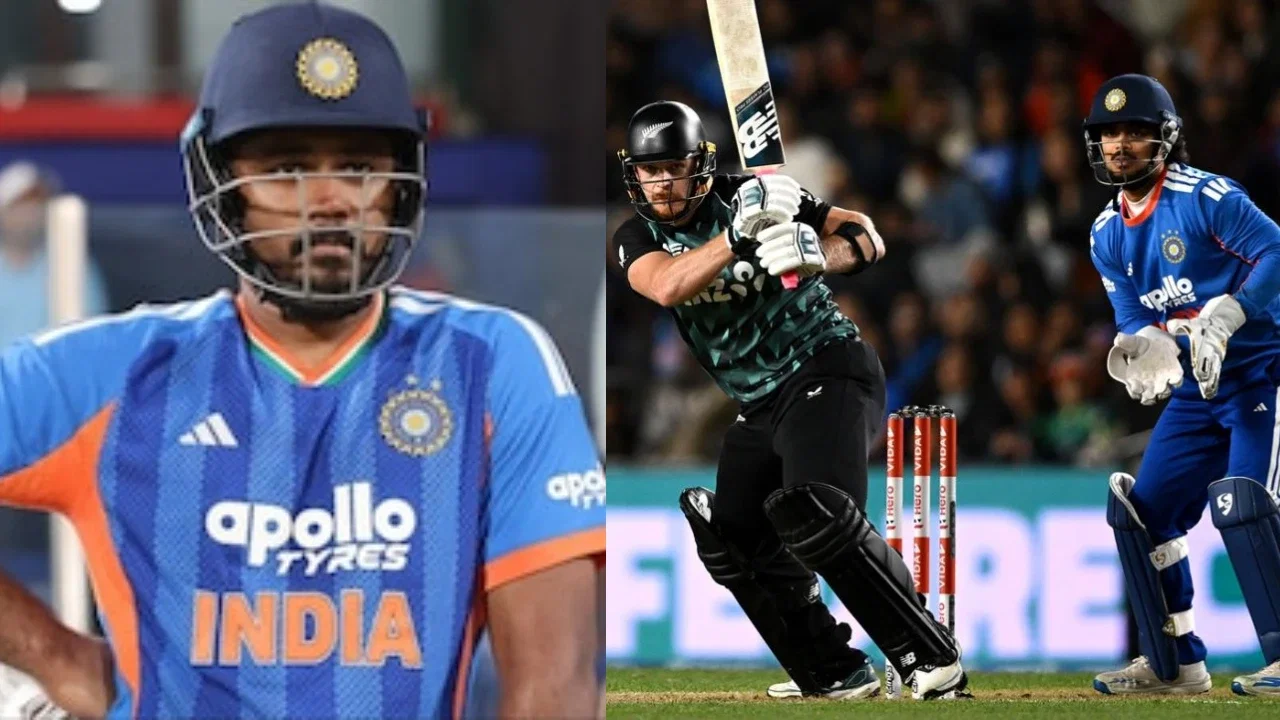
Ishan Kishan’s wicketkeeping role raises fresh questions over Sanju Samson’s India future
“It won’t happen again”: Salman Ali Agha takes indirect swipe at Mohsin Naqvi and PCB over mass sacking