WATCH: Daryl Mitchell, Nathan Smith combine for spectacular catch in 4th T20I against India
New Zealand’s Stunning Relay Catch Steals the Show Against India at Eden Park
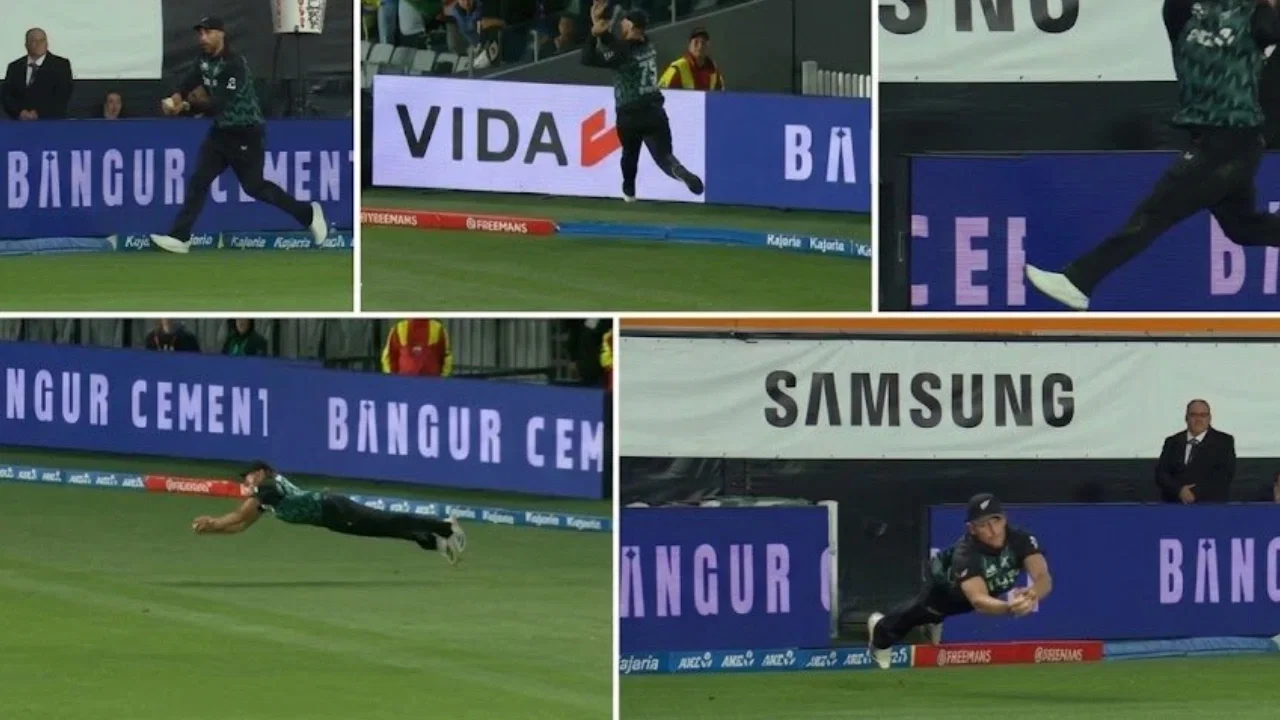
New Zealand produced a memorable fielding moment in the fourth T20 International against India, with Daryl Mitchell and Nathan Smith combining for a spectacular boundary relay catch to dismiss Naman Dhir. The athletic effort was a highlight of an explosive contest at Auckland’s Eden Park, where the Black Caps posted a towering total and put India under immediate pressure.
The catch captured the energy of a match that turned into a showcase for New Zealand’s batting and fielding. India had already secured the five-match series after winning the first three games, but the hosts made the most of the fourth encounter, delivering a performance that reminded fans why even a series-clinching result does not make a T20 contest predictable.
Mitchell and Smith Combine for a Boundary Masterclass
Dhir’s dismissal came from a piece of sharp teamwork rather than a routine catch. Positioned in the deep, Mitchell moved quickly to meet the ball and initially held on. But his momentum was carrying him towards the boundary rope, leaving little room to complete the catch safely inside the field of play.
Showing excellent awareness, Mitchell released the ball back into the air before crossing the boundary. Smith, sprinting in from the deep mid-wicket region, had adjusted his movement as Mitchell made the first attempt. When he saw the ball tossed back into play, Smith accelerated again and dived forward to complete the catch.
The result was a clean dismissal and a striking example of the coordination required for a relay catch. Mitchell’s presence of mind created the opportunity; Smith’s speed and commitment finished the job. In a format where individual moments can shift momentum in an instant, the play gave New Zealand another reason to celebrate during an already dominant performance.
The catch was shared widely by broadcasters and cricket fans, adding to the match’s appeal beyond the scorecard. For viewers searching for the latest India vs New Zealand T20 highlights, it was one of the standout moments of the night—and a reminder that outstanding fielding can be just as entertaining as a big six.
Glenn Phillips Leads New Zealand’s Huge First-Innings Total
New Zealand set the tone with an aggressive batting display, finishing on 259 for seven from their 20 overs. The total placed India’s bowlers under sustained pressure and gave the hosts a formidable platform. Eden Park’s compact boundaries can reward attacking intent, but New Zealand still had to execute their shots with precision to reach such a commanding score.
Glenn Phillips was the innings’ leading force, smashing 107 from just 49 deliveries. His century featured ten sixes and six fours, as he repeatedly found ways to clear the boundary and keep the scoring rate high. Phillips combined power with timing, turning a strong start into a defining innings that left India searching for answers.
Michael Bracewell provided ideal support, scoring 65 from only 25 balls. His four boundaries and six sixes helped New Zealand maintain their momentum, particularly as the innings moved into its closing stages. Together, Phillips and Bracewell supplied the kind of sustained acceleration that can transform a competitive total into a daunting one.
India’s Mayank Yadav claimed three wickets, the most by an Indian bowler in the innings, but New Zealand’s attacking approach came at a cost. He conceded 48 runs, an economy rate of 12 per over, as the hosts continued to find scoring opportunities. The figures reflected the difficulty of containing batters who were consistently targeting the boundary.
Dhir’s Dismissal Adds to India’s Chase Pressure
Chasing 260 required India’s batters to make an assertive start and sustain an exceptional scoring pace. The visitors had plenty of power in their lineup, so supporters could reasonably hope for a dramatic response. However, New Zealand’s total left little margin for a slow start or a series of quick wickets.
Dhir showed attacking intent, making 28 from 13 balls, but his innings ended when Mitchell and Smith completed their relay catch. The dismissal was significant because India needed its middle order to build partnerships while keeping the required run rate within reach. Losing a batter who was scoring quickly made an already demanding chase even more difficult.
Ishan Kishan returned to the lineup after missing the previous two matches through injury, while Vaibhav Sooryavanshi was left out. The selection change added interest to India’s chase, but the visitors struggled to match the fluency New Zealand had shown earlier in the evening. The same ground that had supported Phillips and Bracewell’s boundary-hitting became a challenging setting for India’s batters as wickets and pressure mounted.
Series Context and Match Prediction Takeaways
India entered the fourth T20I on a three-match winning streak and had already secured the series. That context made the remaining games dead rubbers in terms of the overall trophy, but New Zealand’s performance demonstrated why such matches can still carry plenty of significance. The hosts had an opportunity to respond, test their combinations and restore confidence after India’s early control of the series.
For fans considering a match prediction, New Zealand’s first-innings total and disciplined fielding were major indicators of the challenge facing India. A target of 260 demanded rapid scoring from the outset, while the relay catch underlined the hosts’ ability to create pressure in the field. In T20 cricket, however, predictions can change quickly: one sustained partnership or a burst of wickets can alter the outlook in just a few overs.
The contest also offered useful lessons for both teams. New Zealand showed how a powerful top-order performance can be strengthened by contributions from the middle order and alert fielding. India, meanwhile, faced the task of finding better control against aggressive batters and building a chase around partnerships rather than relying only on individual hitting.
A Highlight-Reel Moment in an Explosive T20I
Phillips’ century was the headline batting achievement, but Mitchell and Smith’s relay catch supplied one of the match’s most replayable moments. It blended athleticism, communication and awareness—qualities that often separate good fielding from exceptional fielding.
With New Zealand posting 259 for seven and India needing a record-level chase, the fourth T20I became a compelling chapter in the series despite India having already secured the trophy. The result may have been less important to the overall standings, but the cricket was anything but routine. The stunning catch, Phillips’ 107 and Bracewell’s rapid 65 ensured that the match delivered plenty of talking points for fans following the India vs New Zealand T20 series.
Latest News
Auqib Nabi replaces Prasidh Krishna in India’s squad for first three ODIs vs New Zealand
Yashasvi Jaiswal the next Rishabh Pant? Fresh duck raises questions over India future
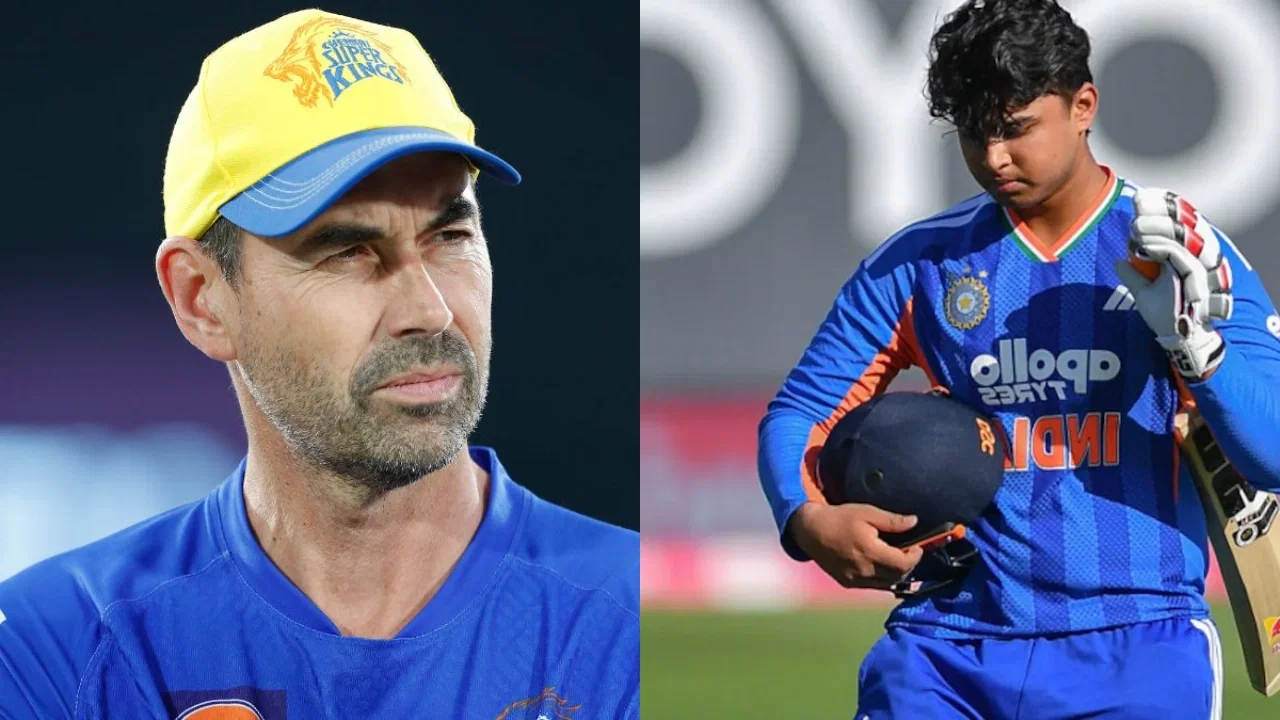
Stephen Fleming supports Team India’s decision to drop Vaibhav Sooryavanshi in 4th T20I vs New Zealand
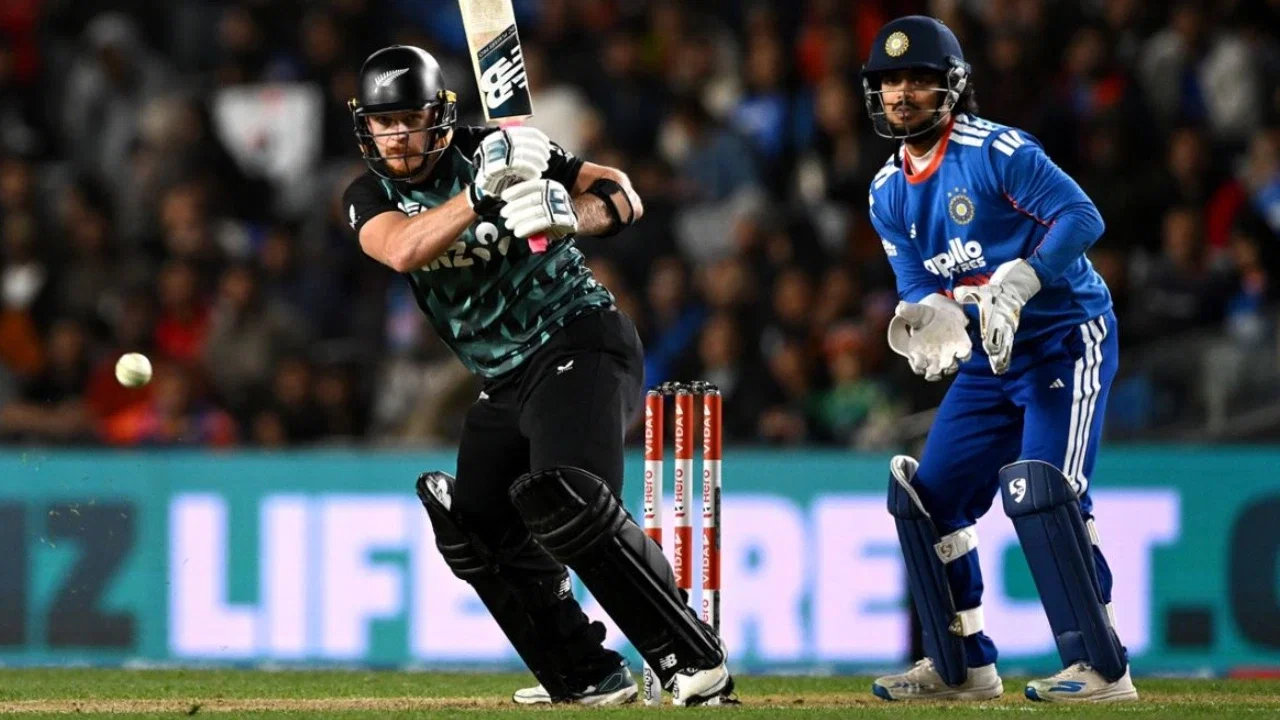
Glenn Phillips credits IPL for shaping his game after match-winning century against India
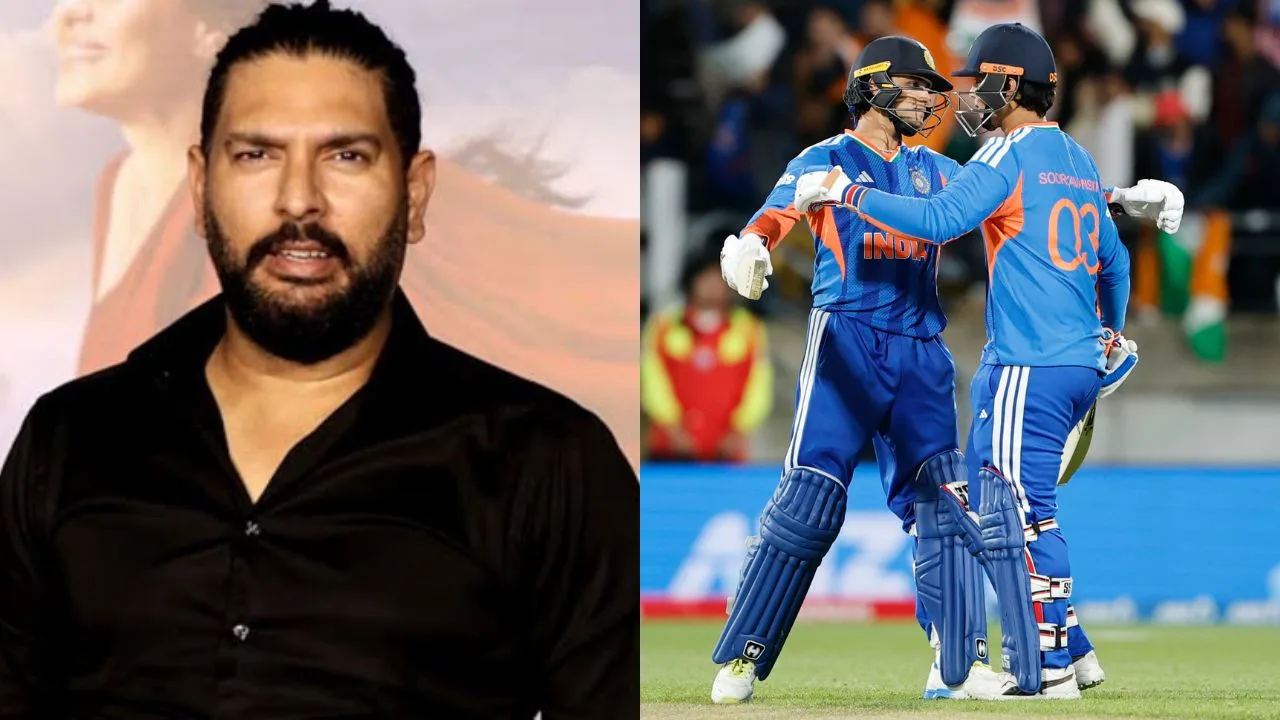
Yuvraj Singh urges BCCI to give Abhishek Sharma and Vaibhav Sooryavanshi ODI chances

Dinesh Karthik backs Vaibhav Sooryavanshi, asks India to drop this player

Mitchell Santner becomes leading wicket-taker against India in T20Is
WATCH: Daryl Mitchell, Nathan Smith combine for spectacular catch in 4th T20I against India
India suffer second-biggest defeat in T20I history after 87-run loss to New Zealand
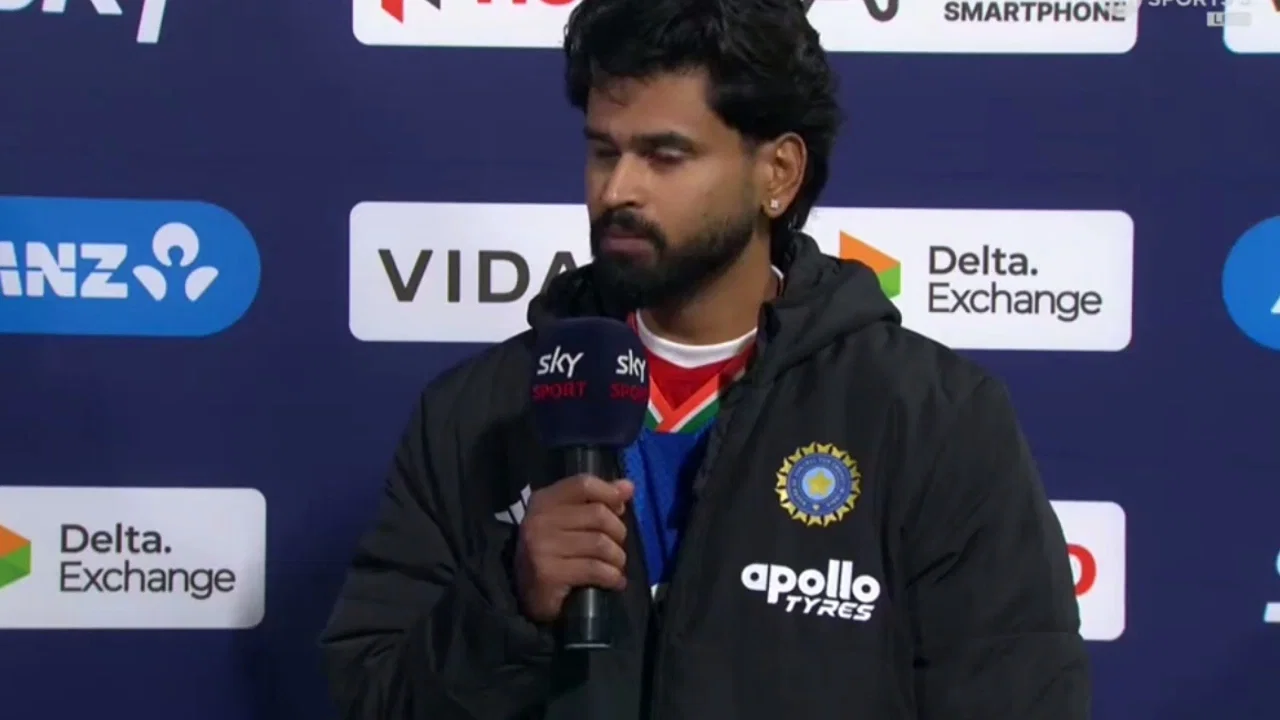
“We fell a bit short in our bowling”: Shreyas Iyer blames bowlers after India’s defeat against New Zealand
Rashid Khan scripts history, becomes first bowler to achieve rare T20I milestone

Glenn Phillips provides hamstring injury update after match-winning ton against India
Ishan Kishan’s wicketkeeping role raises fresh questions over Sanju Samson’s India future
“It won’t happen again”: Salman Ali Agha takes indirect swipe at Mohsin Naqvi and PCB over mass sacking