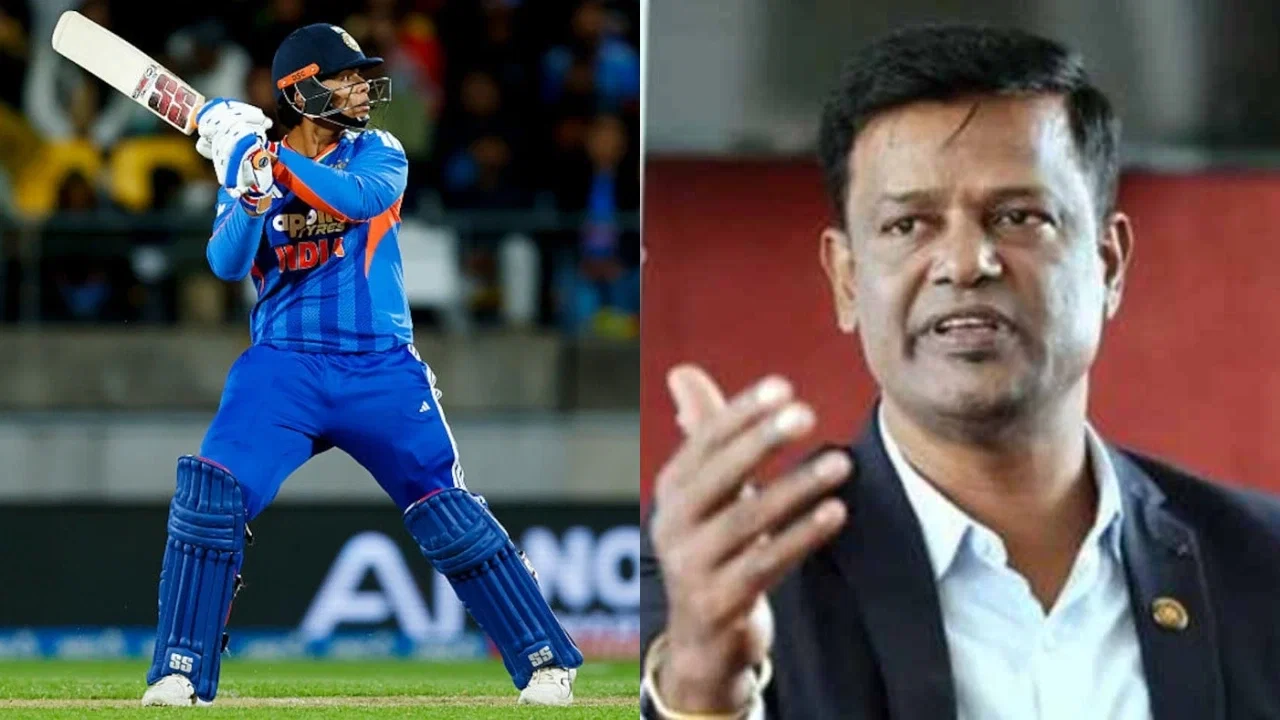
“We fell a bit short in our bowling”: Shreyas Iyer blames bowlers after India’s defeat against New Zealand
Glenn Phillips Powers New Zealand to a Record-Breaking Win Over India in Auckland
New Zealand claimed a commanding 87-run victory over India in the fourth T20I at Eden Park, Auckland, ending the visitors’ unbeaten run in the series. India had already secured the series by winning the first three matches, but the result offered the Black Caps a much-needed response—and gave them momentum ahead of the final game.
Glenn Phillips was the standout performer, striking a blistering century to lift New Zealand to 259 for 7. India’s reply never gathered pace, and the team finished on 172 for 9. The 87-run margin became India’s second-largest defeat by runs in men’s T20 internationals, underlining the scale of New Zealand’s performance.
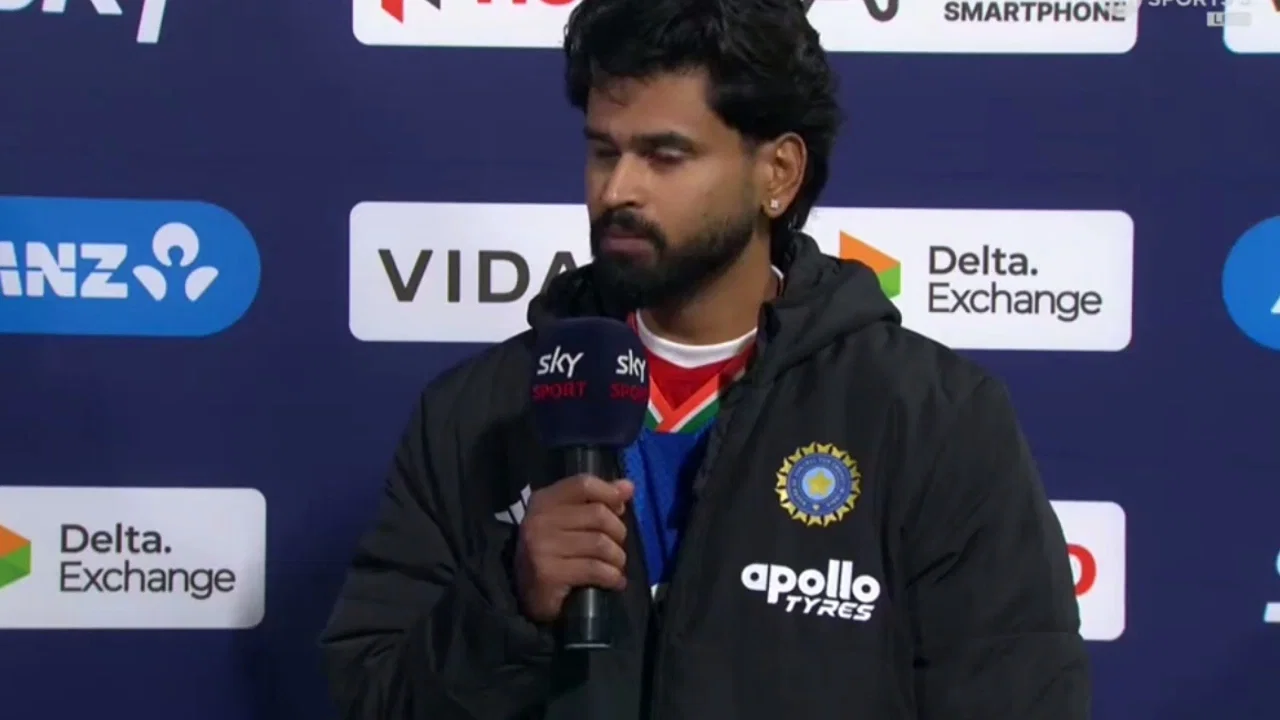
After the match, India captain Shreyas Iyer acknowledged that his side’s bowling fell short, particularly during the powerplay. He also praised Phillips’ innings, describing it as a display from which India could learn as the team reviews its plans for the next fixture.
Phillips’ Century Changes the Course of the Match
Iyer won the toss and chose to field, making two changes to India’s lineup. Ishan Kishan and Mayank Yadav came into the side, while Vaibhav Sooryavanshi and Bhuvneshwar Kumar were left out. New Zealand also made a change, bringing in Nathan Smith for Kyle Jamieson.
India made an encouraging start with the ball. Mayank Yadav removed Tim Seifert early and then dismissed Daryl Mitchell, leaving New Zealand at 34 for 2. At that stage, India had an opportunity to keep the scoring in check. Instead, Phillips took control and steadily shifted the pressure back onto the visitors.
Phillips first built a useful partnership with Finn Allen, who contributed 31 from 17 deliveries after returning to the side. The innings then accelerated dramatically when Michael Bracewell joined Phillips. Their partnership produced 115 runs from just 40 balls, transforming a competitive total into a formidable one.
Bracewell struck 65 from 25 deliveries, using clean hitting and quick scoring to punish India’s bowlers. Phillips was even more destructive, finishing with 107 from 49 balls. His innings included 10 sixes and six fours, combining power with precise timing and making it difficult for India to regain control once the partnership took off.
New Zealand’s final total of 259 for 7 reflected the impact of that late surge. Mayank was India’s most successful bowler, taking 3 wickets for 48 runs in his four overs. However, the overall attack struggled to contain the scoring, especially after the hosts found their rhythm in the middle and death overs.
India’s Chase Stalls After an Early Collapse
Chasing 260 at Eden Park required a rapid start, but India lost Sanju Samson early and then saw Ishan Kishan dismissed for a duck. The early setbacks left the visitors under immediate pressure against a demanding target.
Abhishek Sharma and Iyer attempted to steady the innings with a partnership, but New Zealand continued to take wickets at regular intervals. Without a substantial stand or a sustained boundary surge, India’s required run rate climbed beyond reach.
Tilak Varma top-scored for India with 35, but no batter managed to reach a half-century. The lower order could not produce the late acceleration needed to make the contest close, and India ended its 20 overs at 172 for 9. The result was a sharp contrast to the dominant performances that had already secured the series for the visitors.
Iyer Points to Bowling Execution as a Key Area to Improve
Speaking after the defeat, Iyer said India had fallen short with the ball, particularly in the opening overs. He noted that New Zealand gained momentum during the powerplay and credited Phillips for making the most of the opportunity.
“I think we fell a bit short in our bowling to start with,” Iyer said, as quoted by Cricbuzz. “In the powerplay, especially in the third over, they got that momentum from there on. A couple of bowlers tried to squeeze in, but it was an exceptional knock by Glenn. Some phenomenal shots, which were pure bliss. Kudos to him. He’s been consistent throughout the series, so there is a lot to learn from him.”
The captain’s comments pointed to more than the final score. In T20 cricket, a brief period of loose bowling can quickly reshape an innings, particularly on a ground where boundaries can come rapidly. Once Phillips and Bracewell began scoring freely, India had little room to settle into a defensive plan.
Iyer said the team would review its performance and look for ways to respond in the next match. “It’s important to retrospect and see where we can bounce back,” he said, adding that India would return to the drawing board, analyse the game and focus on executing its plans better.
What the Result Means for the Series
Although New Zealand’s victory ended India’s winning streak in the series, it did not change the broader outcome: India had already clinched the contest after taking the first three matches. The fourth T20I nevertheless gave the hosts a significant confidence boost and demonstrated how quickly a match can turn when a powerful partnership develops.
For India, the defeat offers a clear focus for the next game: improve bowling discipline, limit the damage during the powerplay and prevent dangerous batters from building partnerships. The batting unit will also want a more composed start when pursuing a large target.
Phillips’ century will be remembered as the defining performance of the Auckland match, while Bracewell’s explosive contribution ensured the innings finished at full speed. India’s next challenge is to turn Iyer’s call for reflection into sharper execution. The final T20I now gives both sides another opportunity: New Zealand can aim to carry its momentum forward, while India can respond after a rare and emphatic setback.
Latest News
Auqib Nabi replaces Prasidh Krishna in India’s squad for first three ODIs vs New Zealand
Yashasvi Jaiswal the next Rishabh Pant? Fresh duck raises questions over India future
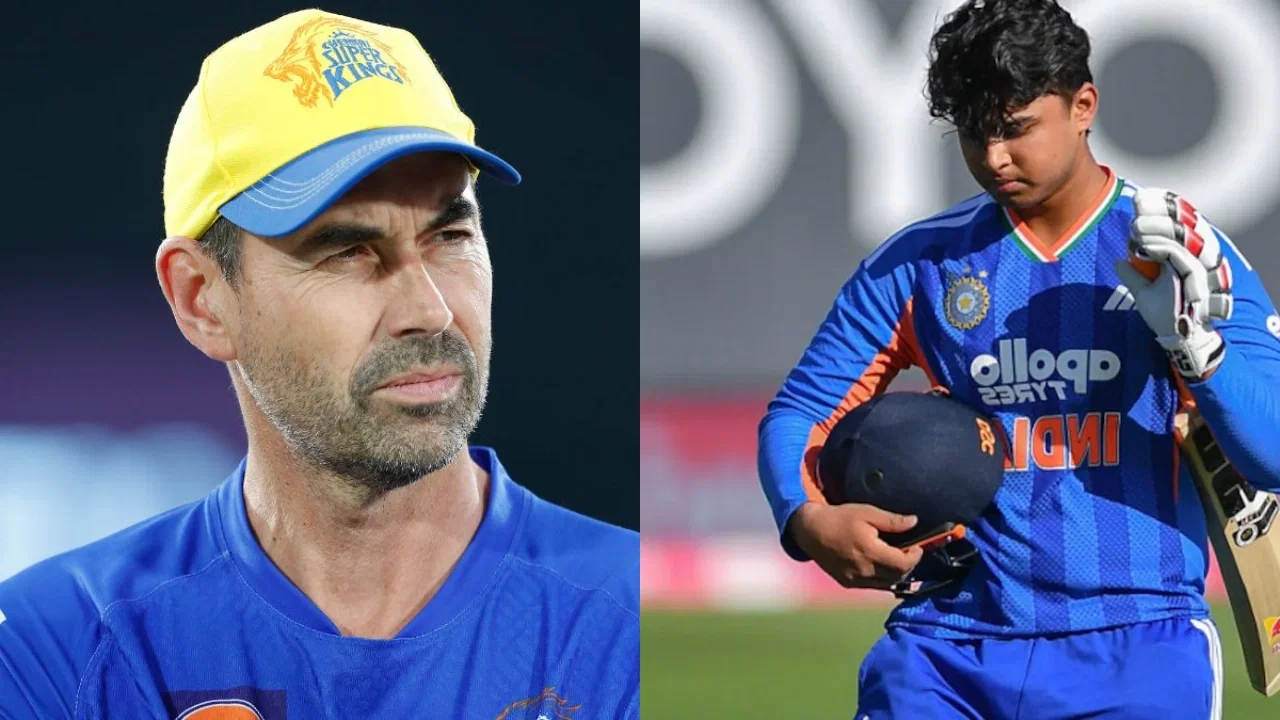
Stephen Fleming supports Team India’s decision to drop Vaibhav Sooryavanshi in 4th T20I vs New Zealand
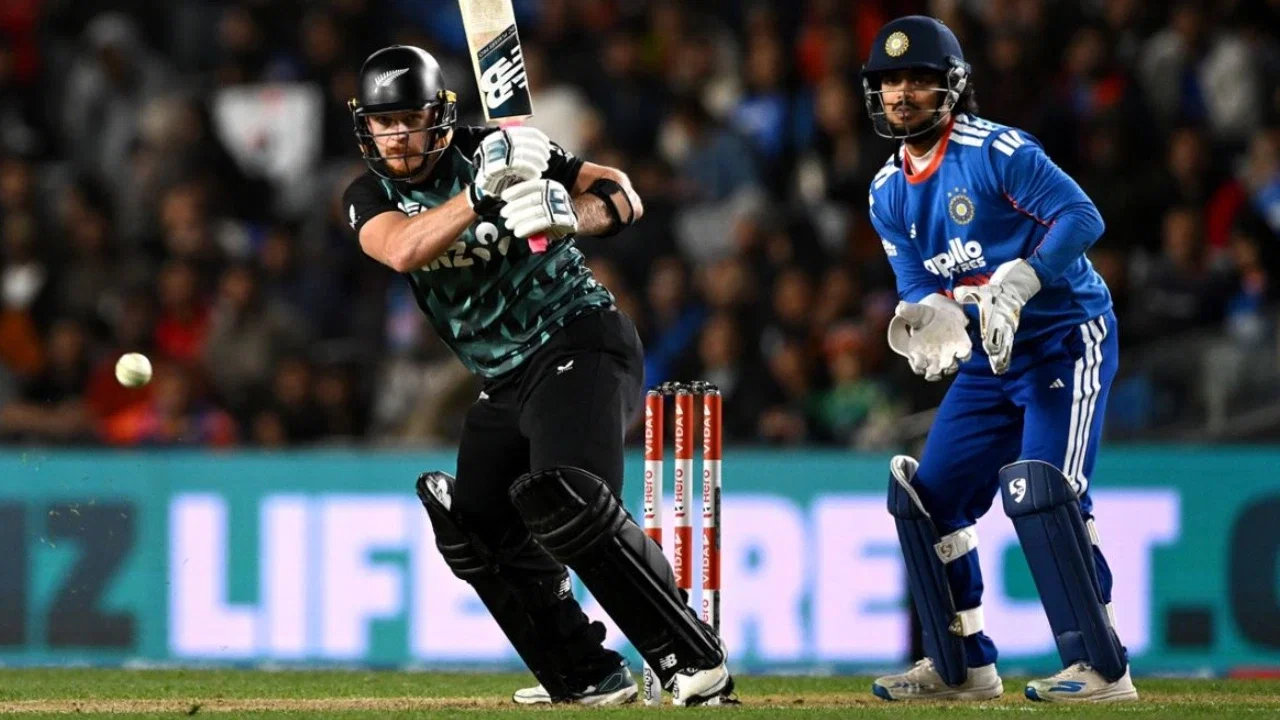
Glenn Phillips credits IPL for shaping his game after match-winning century against India
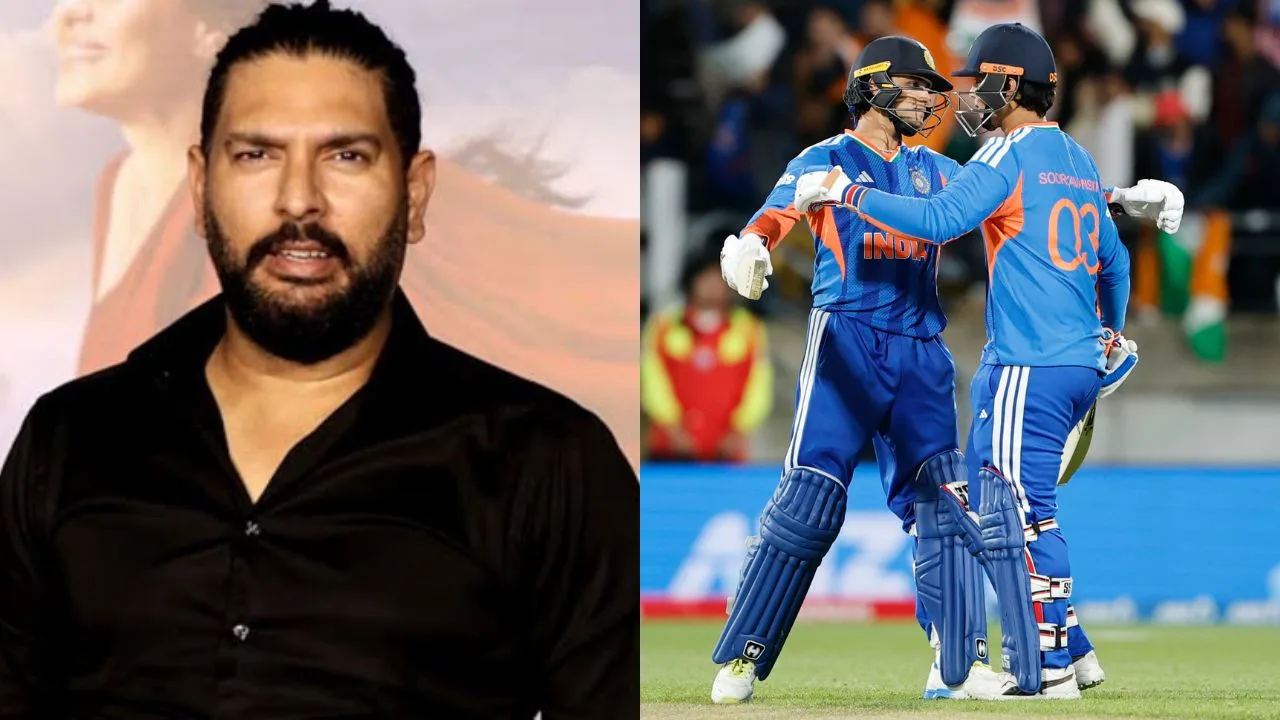
Yuvraj Singh urges BCCI to give Abhishek Sharma and Vaibhav Sooryavanshi ODI chances

Dinesh Karthik backs Vaibhav Sooryavanshi, asks India to drop this player
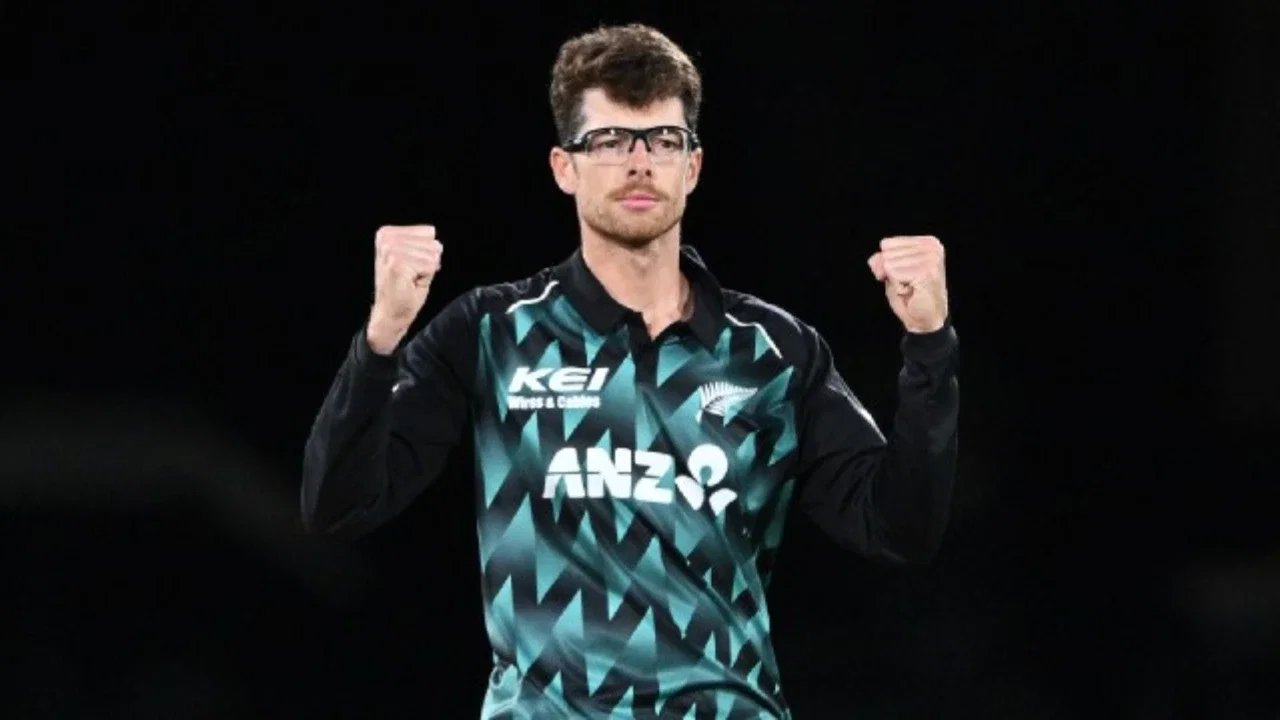
Mitchell Santner becomes leading wicket-taker against India in T20Is
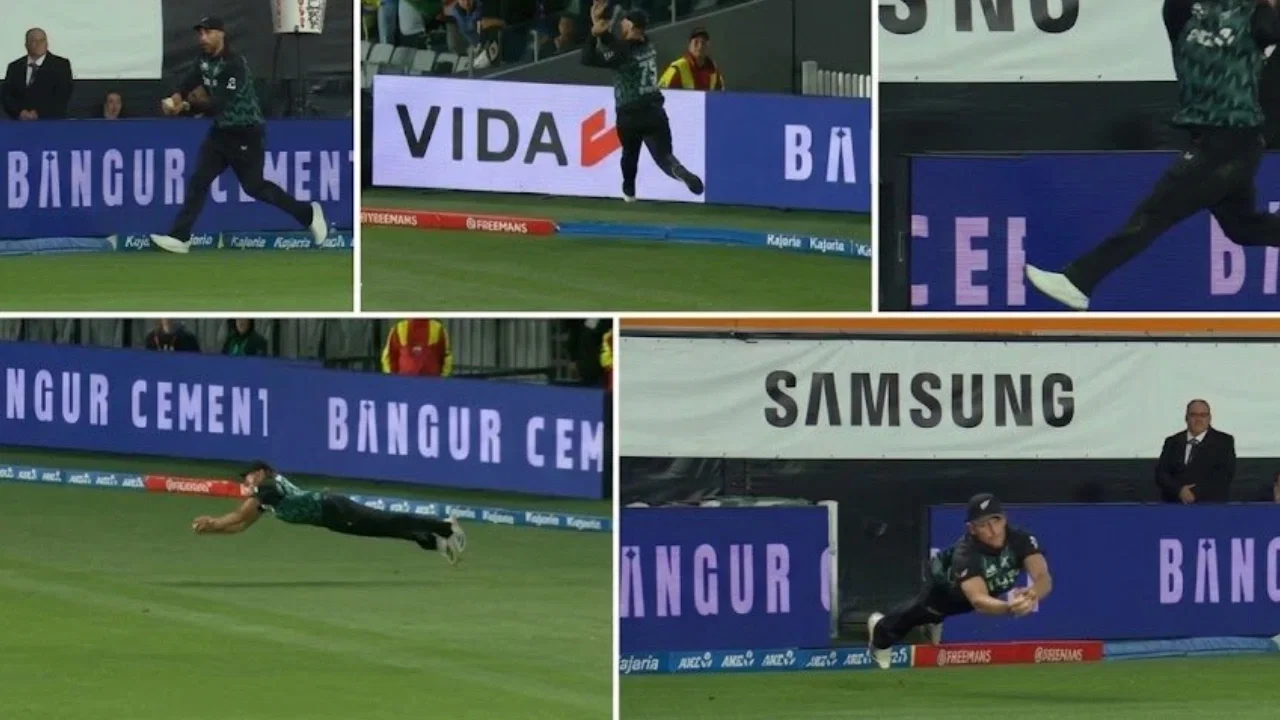
WATCH: Daryl Mitchell, Nathan Smith combine for spectacular catch in 4th T20I against India
India suffer second-biggest defeat in T20I history after 87-run loss to New Zealand
“We fell a bit short in our bowling”: Shreyas Iyer blames bowlers after India’s defeat against New Zealand
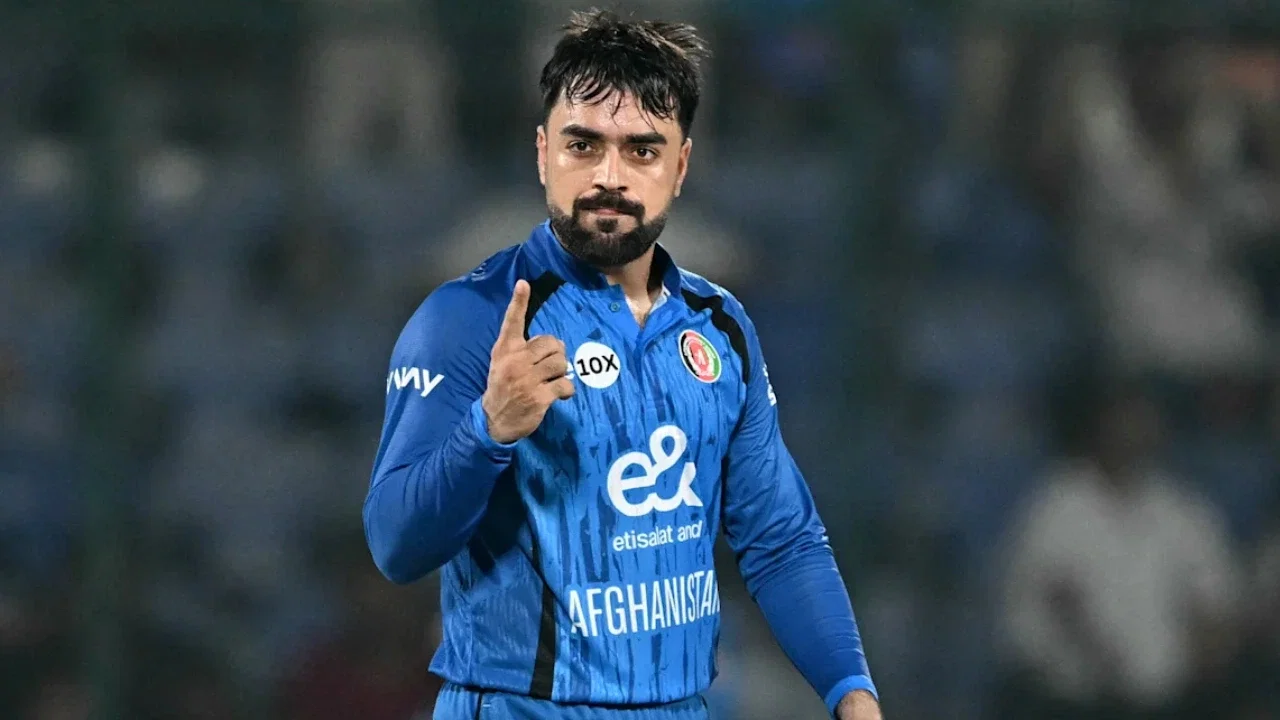
Rashid Khan scripts history, becomes first bowler to achieve rare T20I milestone
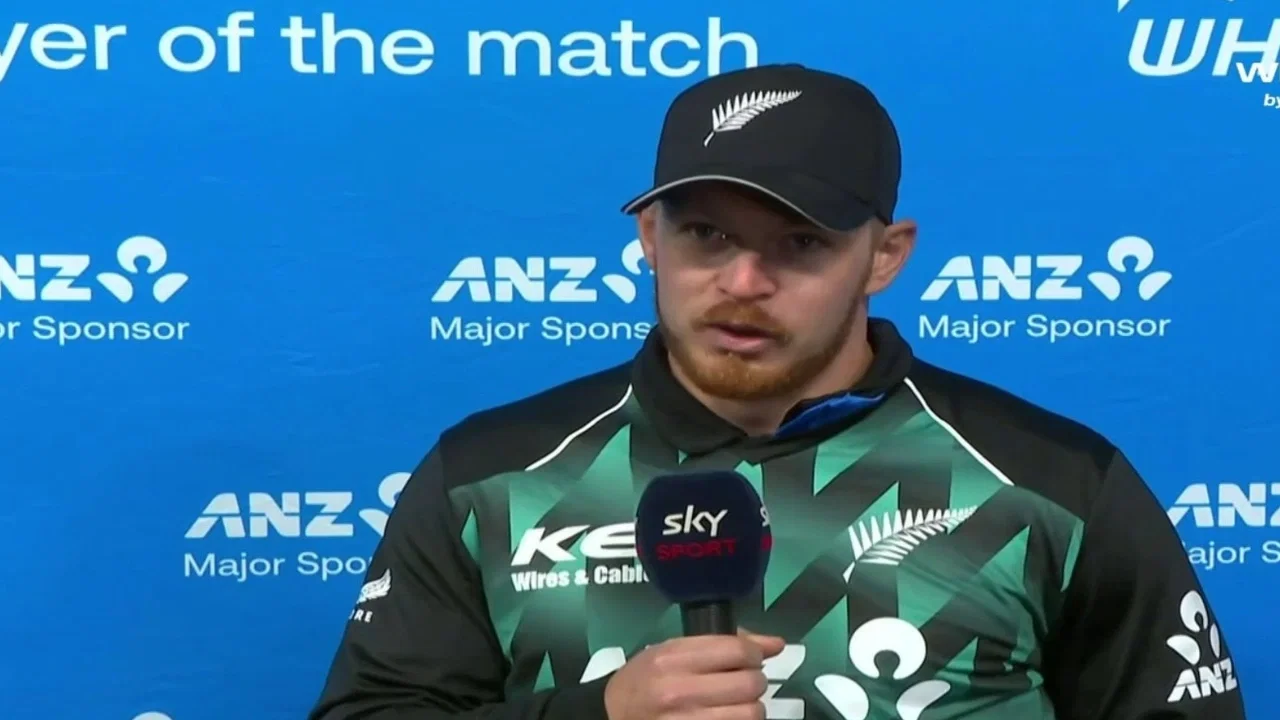
Glenn Phillips provides hamstring injury update after match-winning ton against India
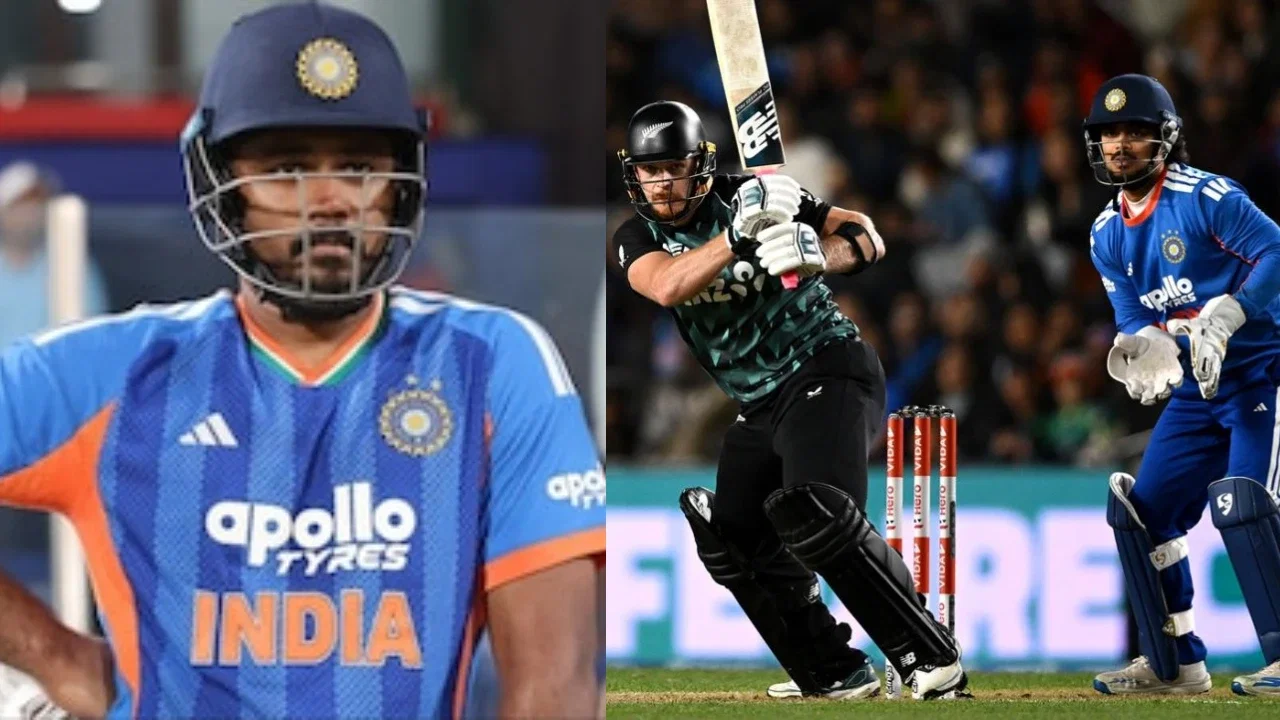
Ishan Kishan’s wicketkeeping role raises fresh questions over Sanju Samson’s India future
“It won’t happen again”: Salman Ali Agha takes indirect swipe at Mohsin Naqvi and PCB over mass sacking