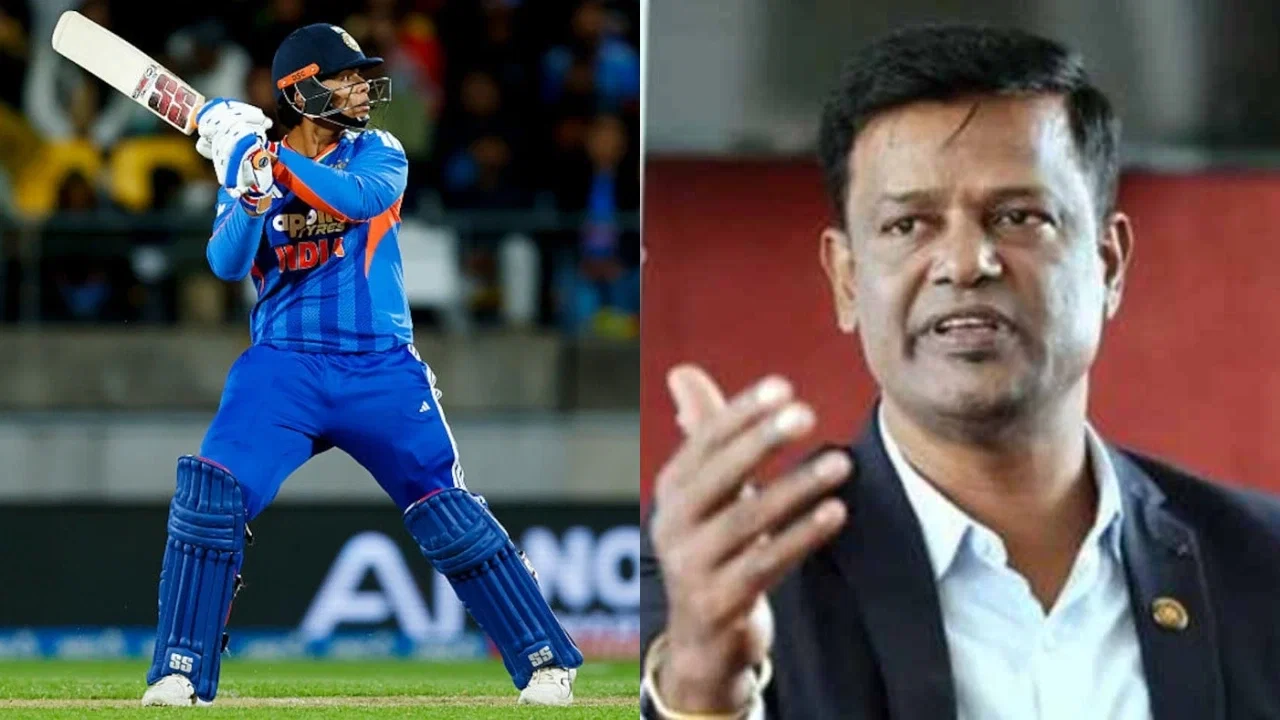
Ishan Kishan’s wicketkeeping role raises fresh questions over Sanju Samson’s India future
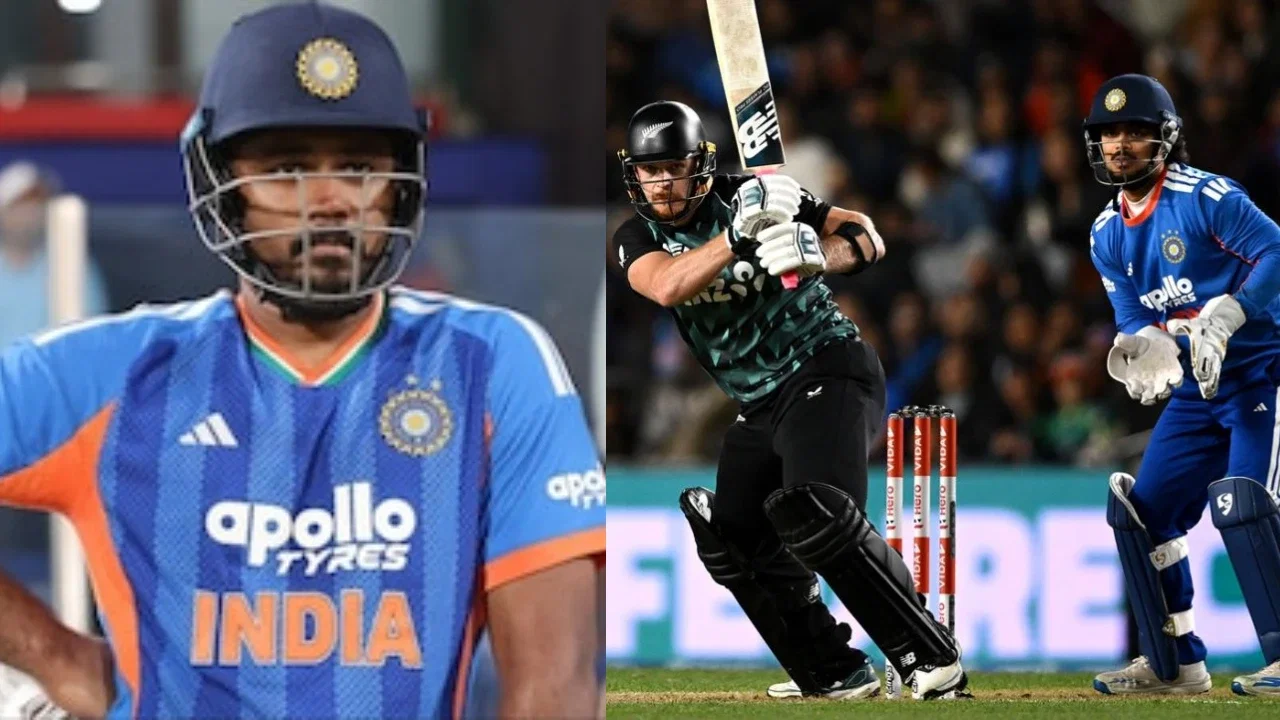
Ishan Kishan’s Return as India’s Wicketkeeper Raises Questions Over Sanju Samson’s T20I Future
India’s wicketkeeper-batter selection has become a major talking point after Ishan Kishan returned to the playing XI for the fourth T20I against New Zealand in Auckland. Kishan’s comeback was notable not only because he had recovered from injury, but because he immediately took the wicketkeeping gloves—leaving Sanju Samson in the side as a specialist batter and prompting fresh debate about the team’s plans.
The decision offered a clear indication that India’s management continues to view Kishan as a frontline wicketkeeper when he is fit. For Samson, who had kept wickets earlier in the five-match series, that change could make his place harder to secure. The result in Auckland added another layer to the discussion: India’s batting reshuffle failed to deliver, and the visitors suffered an 87-run defeat while chasing a formidable target of 260.
Kishan Returns After Injury and Takes the Gloves
Kishan missed the second and third T20Is against New Zealand while recovering from an adductor injury. Once available again, he was brought straight back into India’s XI for the fourth match. His inclusion required a change elsewhere, with Vaibhav Sooryavanshi left out despite an impressive innings in the previous game.
Samson remained in the team, but his role changed. Having handled wicketkeeping duties in the earlier matches, he played as a specialist batter in Auckland. Kishan, meanwhile, was entrusted with the gloves and moved into the top three. The adjustment reflected the challenge facing India’s selectors: fitting several attacking batters into a limited number of positions while also balancing the side’s bowling and all-round options.
It is important not to treat one team sheet as a definitive verdict on Samson’s future. India may be testing combinations during the series, and Kishan’s return naturally affected the balance. Still, the choice of wicketkeeper is significant because it can influence both batting order and selection. If Kishan is preferred behind the stumps, Samson must make his case primarily through his batting.
Jacob Duffy’s Early Strikes Halt India’s Chase
India’s experiment in Auckland had little time to settle. New Zealand fast bowler Jacob Duffy removed Samson for four and Kishan for a duck in quick succession, putting the visitors under immediate pressure in their chase. The early dismissals disrupted the revised top order and left India with a steep task against a target of 260.
India could not recover from the setback and eventually lost by 87 runs. The defeat was a reminder that even an aggressive batting lineup needs a stable start, particularly when chasing a record-sized total. It also means the selection debate is likely to continue: the new combination did not produce the desired result, but two early wickets alone cannot provide a complete measure of either batter’s suitability for the role.
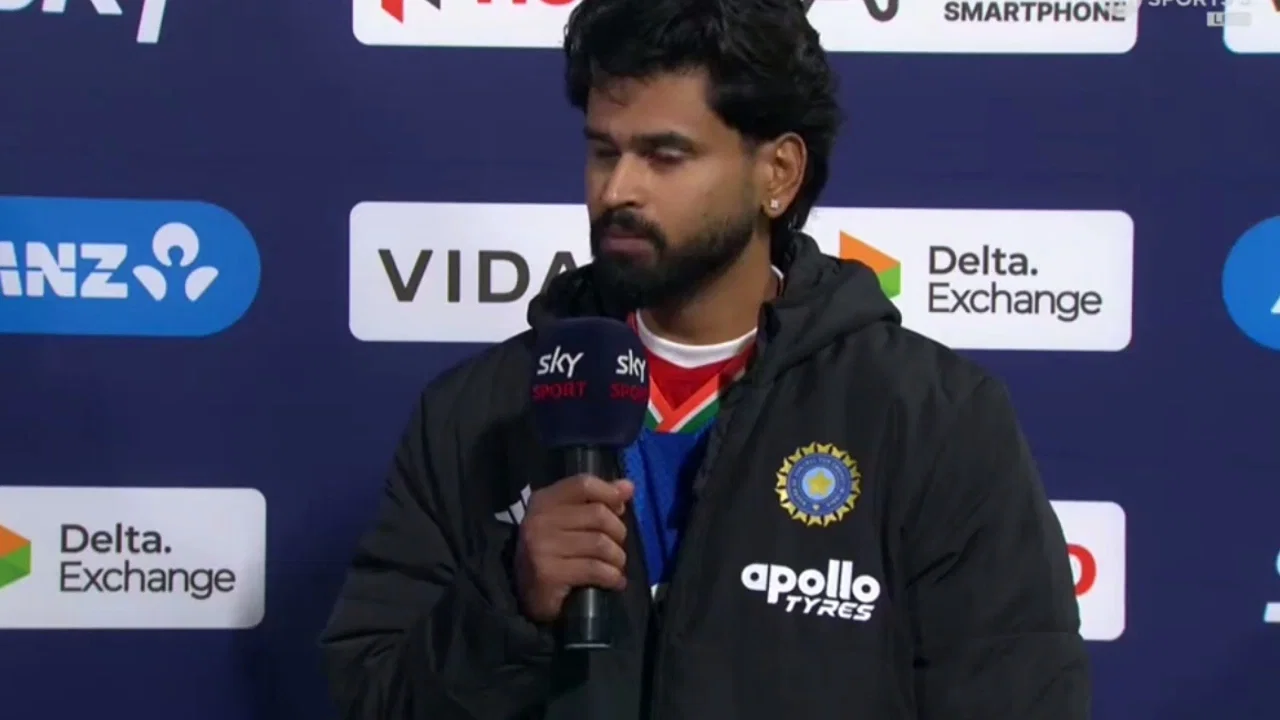
The loss also drew attention to India’s broader performance, including the bowling effort that allowed New Zealand to post such a demanding score. Shreyas Iyer pointed to the bowlers after the defeat, underlining that the result was not solely a consequence of the batting-order changes. India will need to assess both departments before deciding whether to retain the same combination.
Why the Wicketkeeping Decision Matters for Samson
Samson’s selection position may become more complicated if Kishan continues as India’s first-choice wicketkeeper. A player who is not required to keep must justify his place as a batter, and competition for batting spots is intense. The team may also want to make room for an additional bowler or an all-rounder such as Naman Dhir or Nitish Kumar Reddy, depending on conditions and the balance it wants.
That flexibility can work against a specialist batter if the team believes another player offers more options. It does not mean Samson is automatically out of contention, but it does raise the importance of consistent contributions. His chances may depend on how effectively he uses opportunities in his preferred batting role and whether the team values his experience and ability to change the pace of an innings.
Batting position is another key factor. Samson has often looked most comfortable when given a defined role and enough time to build an innings. If he is moved around to accommodate Kishan and other top-order options, maintaining rhythm may become more difficult. At the same time, modern T20 sides frequently ask batters to adapt, so the ability to perform in different positions can strengthen a player’s case.
Abhishek Sharma and Vaibhav Sooryavanshi Add to the Competition
India’s top-order picture is crowded. Abhishek Sharma has established himself as a prominent opening option, while Sooryavanshi has also attracted attention with his attacking approach and recent performance. Kishan’s return gives the selectors another left-handed batter capable of operating near the top of the order.
With those options available, Samson may have to compete for a position outside his preferred role or wait for a specific combination to suit him. The challenge is not unique to him: India’s depth gives the team several ways to construct its XI, but it also means individual places can shift quickly. A player’s standing may be influenced by form, match conditions, opposition, and the need to balance the side—not just by one performance.
India’s Next Selection Decision: Prediction
The most reasonable prediction is that India will continue to assess Kishan as a wicketkeeper-batter while giving Samson further opportunities to make an impact with the bat. Kishan’s immediate return to wicketkeeping suggests he remains a serious option in that role, but the Auckland defeat may encourage the management to reconsider the batting order or test a different combination in the next match.
For Samson, the path back to greater security is straightforward in principle, even if difficult in practice: deliver runs, adapt to the role assigned, and make it harder for selectors to leave him out. For India, the priority will be finding a combination that can attack effectively without weakening the team’s balance. The fourth T20I has sharpened the debate, but the series still offers time for both players to influence the final selection picture.
Ultimately, Kishan’s return should be viewed as a fresh selection challenge rather than a final decision on Samson. India have several capable top-order batters, and the team’s choices will depend on how the remaining matches unfold. The wicketkeeping battle—and the competition for batting positions—will remain one of the most closely watched storylines as the T20I series continues.
Latest News
Auqib Nabi replaces Prasidh Krishna in India’s squad for first three ODIs vs New Zealand
Yashasvi Jaiswal the next Rishabh Pant? Fresh duck raises questions over India future
Stephen Fleming supports Team India’s decision to drop Vaibhav Sooryavanshi in 4th T20I vs New Zealand
Glenn Phillips credits IPL for shaping his game after match-winning century against India
Yuvraj Singh urges BCCI to give Abhishek Sharma and Vaibhav Sooryavanshi ODI chances

Dinesh Karthik backs Vaibhav Sooryavanshi, asks India to drop this player

Mitchell Santner becomes leading wicket-taker against India in T20Is
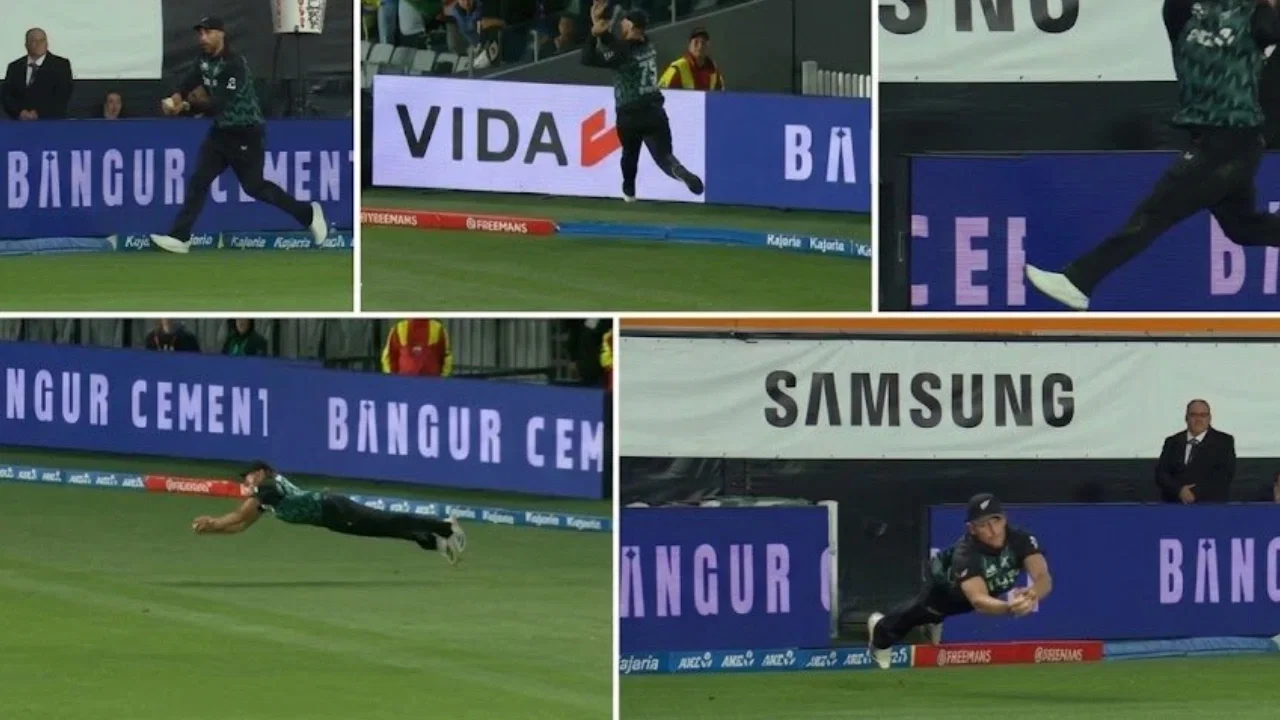
WATCH: Daryl Mitchell, Nathan Smith combine for spectacular catch in 4th T20I against India
India suffer second-biggest defeat in T20I history after 87-run loss to New Zealand
“We fell a bit short in our bowling”: Shreyas Iyer blames bowlers after India’s defeat against New Zealand
Rashid Khan scripts history, becomes first bowler to achieve rare T20I milestone

Glenn Phillips provides hamstring injury update after match-winning ton against India
Ishan Kishan’s wicketkeeping role raises fresh questions over Sanju Samson’s India future
“It won’t happen again”: Salman Ali Agha takes indirect swipe at Mohsin Naqvi and PCB over mass sacking