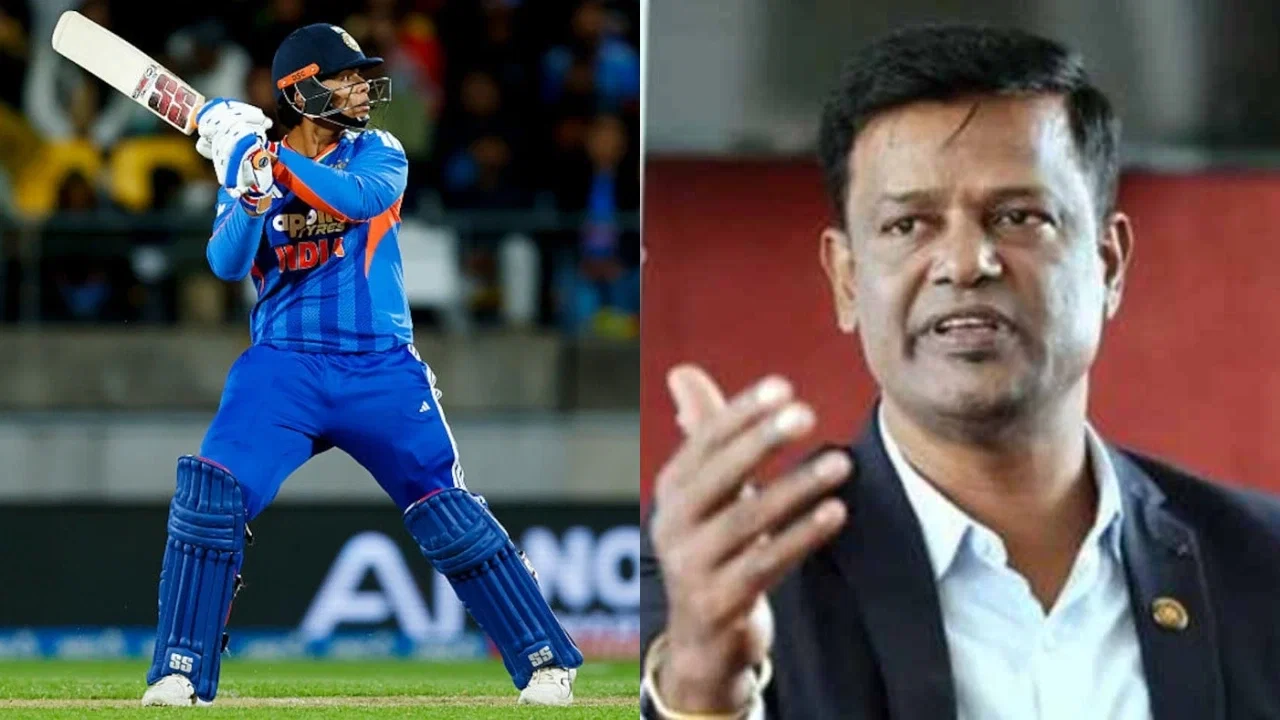
Stephen Fleming supports Team India’s decision to drop Vaibhav Sooryavanshi in 4th T20I vs New Zealand
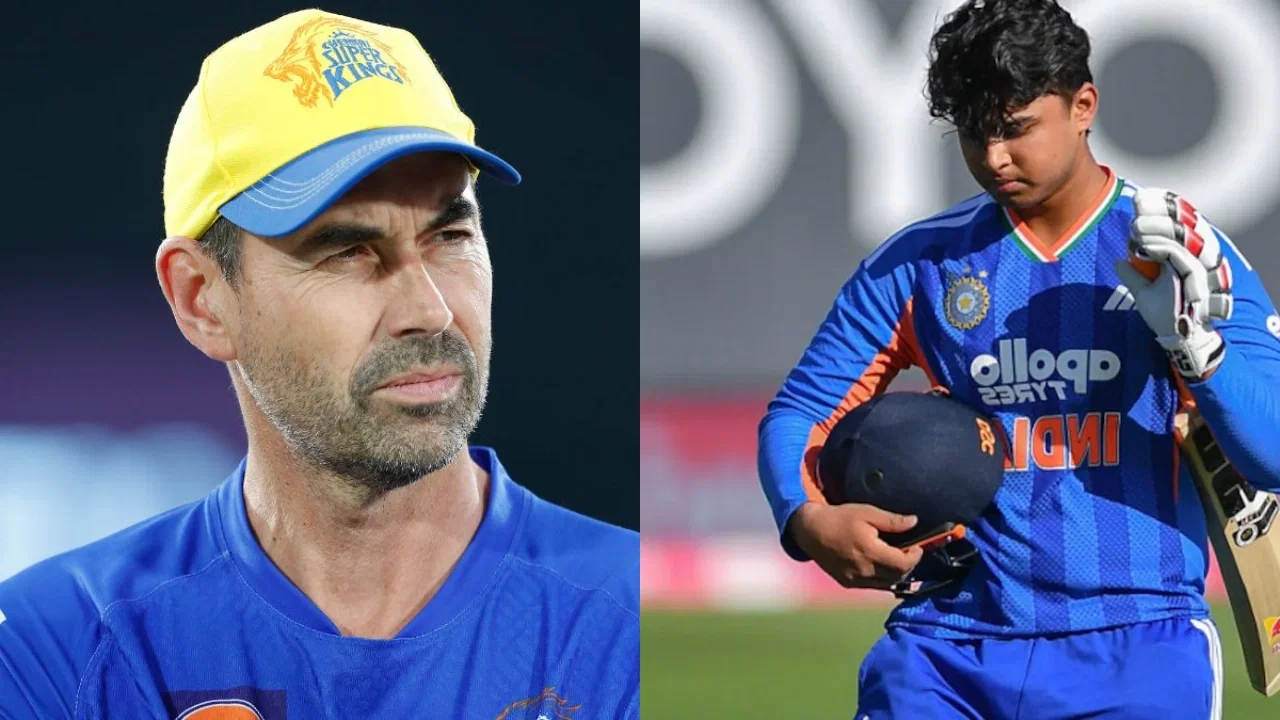
Stephen Fleming Backs India’s Decision to Drop Vaibhav Sooryavanshi
Former Chennai Super Kings head coach Stephen Fleming has defended India’s decision to leave teenage batter Vaibhav Sooryavanshi out of the fourth T20I against New Zealand, saying the move sent an important message about trust and stability within the team. India suffered a heavy 87-run defeat in Auckland, prompting debate over whether the result might have been different had the young batter remained in the playing XI. Fleming, however, believes the selection decision made sense once Ishan Kishan was fit to return.
The defeat may have intensified discussion around India’s batting combination, but it did not change the bigger picture of the series. India had already won the first three matches and secured the five-game contest. With one fixture remaining, the fourth T20I offered the team an opportunity to assess its options and give returning players a chance to settle back into the side.
How Sooryavanshi Earned His Opportunity
Sooryavanshi featured in the second and third T20Is while Kishan was unavailable through injury. The team management initially placed the youngster at No. 3 in the second match, where he made four runs. For the following game in Wellington, he was promoted to open the innings—and responded with an eye-catching 45-run knock.
His performance helped underline why he has become one of the most closely watched young players in the series. Sooryavanshi brought an attacking approach to the top of the order, showing a willingness to score quickly rather than simply play himself in. India won both matches in which he appeared, adding to the sense that his inclusion had made an impact.
That success, however, did not automatically guarantee him a place once Kishan was cleared to play. International teams must balance recent form with fitness, role clarity and plans for the wider squad. In India’s case, the selection question was not only whether Sooryavanshi deserved another opportunity, but also how the team could restore an established player without creating uncertainty across the batting order.
Fleming’s Case for a Stable Team Environment
Fleming’s support for the decision focused less on Sooryavanshi’s ability and more on the conditions players need to perform. T20 cricket is a high-risk format: batters are often expected to attack from the outset, make split-second decisions and play close to the limits of their skill. Fleming argued that players may struggle to do that if they are constantly worried about losing their place after a single mistake.
Speaking on Sony Sports Network, Fleming said Sooryavanshi’s opportunity would come again, while describing the decision to bring Kishan back as a positive signal to the squad. His broader point was that a clear selection policy can help players feel supported and give them the freedom to play with confidence.
“His time will come; he will be that person, that incumbent,” Fleming said, while explaining that players need to feel secure enough to perform at the edge of their abilities. If a batter starts second-guessing every shot because his position is under threat, Fleming suggested, the freedom required for effective T20 batting can disappear.
Why Selection Stability Matters in T20 Cricket
Team stability is a recurring issue in short-format cricket, where results can turn quickly and individual performances are often judged over a small number of innings. A player might make a valuable contribution in one match and fail in the next; likewise, a single low score does not necessarily indicate a decline in form. Coaches therefore have to decide when to reward recent performances and when to maintain a planned role for a returning or established player.
A settled group can make those roles easier to understand. Batters know where they are likely to be used, bowlers can prepare for defined responsibilities, and players can focus on execution rather than selection speculation. That does not mean the same XI should be retained regardless of performance. Instead, the challenge is to make changes with a clear purpose and communicate the reasoning behind them.
Fleming’s comments also reflect a wider squad-management question surrounding Sooryavanshi’s emergence. Excitement about a young player can quickly create pressure for regular selection, while established names may find themselves competing for limited places. India must weigh the value of giving a promising teenager sustained exposure against the importance of experience, balance and continuity—particularly as the team builds towards major international tournaments.
Sooryavanshi’s Rise and the Competition for Places
The attention around Sooryavanshi has also brought renewed focus to India’s other selection decisions, including the role of Sanju Samson, who has been left out on multiple occasions. Such choices are rarely judged in isolation. A change at the top of the order can affect the positions available elsewhere, while the team’s preferred combination may depend on whether it wants an extra batter, a specialist role or greater flexibility in the middle overs.
For Sooryavanshi, the immediate challenge will be to build on his promising innings without allowing expectations to become a burden. A 45-run performance is an encouraging sign, but consistent success at the international level requires adapting to different bowlers, match situations and conditions. The best path forward may involve carefully managed opportunities rather than an assumption that one strong innings must lead to automatic selection.
What the Fourth T20I Means for India’s Next Match
India’s 87-run loss in Auckland was a disappointing result, but it should be viewed in the context of a series the team had already secured. A heavy defeat can expose areas that need attention, including batting execution and the ability to respond when an opponent takes control. At the same time, one result does not erase the performances that helped India win the opening three games.
As the teams prepare for the final T20I, the central prediction is that India’s selection debate will continue regardless of the result. Sooryavanshi has shown enough to remain part of the conversation, while Kishan’s return gives the management another experienced option. Fleming’s defence of the decision offers a reminder that selection is not simply a reward for the latest score: it is also about building confidence, defining roles and preparing a squad to perform over a longer campaign.
For India, the final match presents a chance to respond to the Auckland defeat and finish the series strongly. For Sooryavanshi, the experience of stepping into the international side—and then making way for a returning teammate—may be part of a longer development journey. Fleming’s message is clear: a young player’s opportunity can be valuable without becoming permanent, and a team can support emerging talent while still maintaining faith in its established plans.
Latest News
Auqib Nabi replaces Prasidh Krishna in India’s squad for first three ODIs vs New Zealand
Yashasvi Jaiswal the next Rishabh Pant? Fresh duck raises questions over India future
Stephen Fleming supports Team India’s decision to drop Vaibhav Sooryavanshi in 4th T20I vs New Zealand
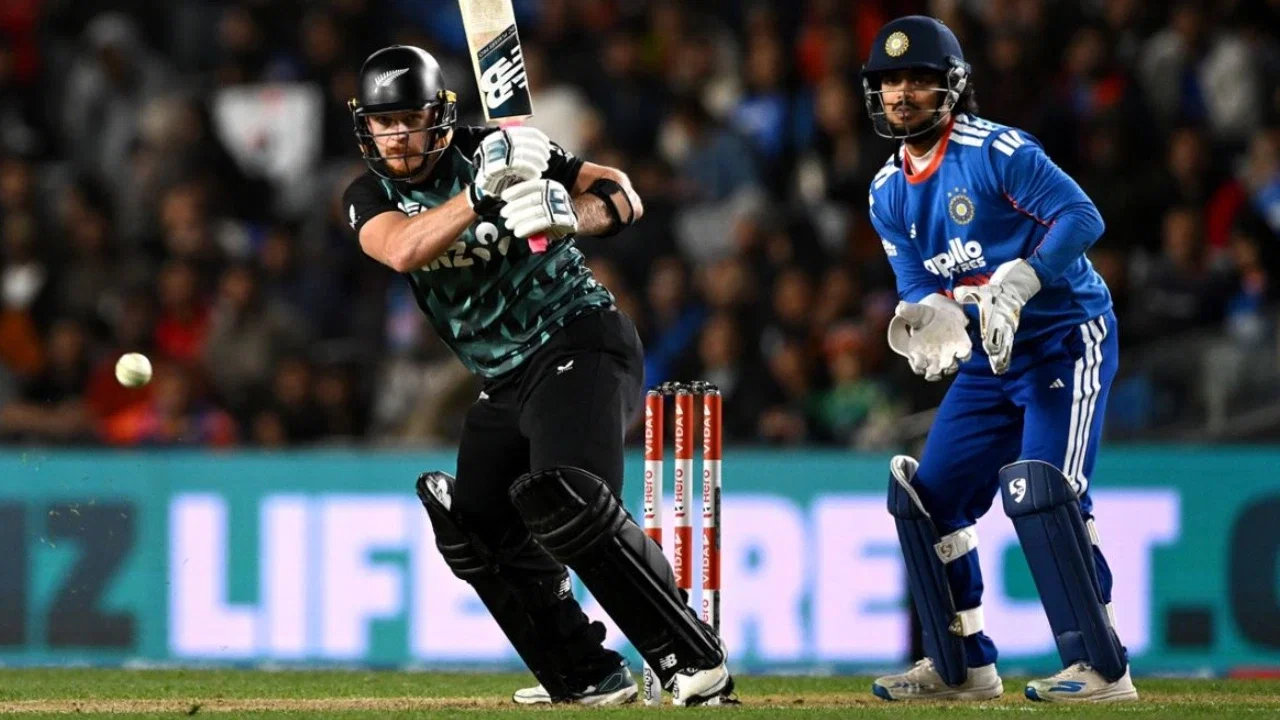
Glenn Phillips credits IPL for shaping his game after match-winning century against India
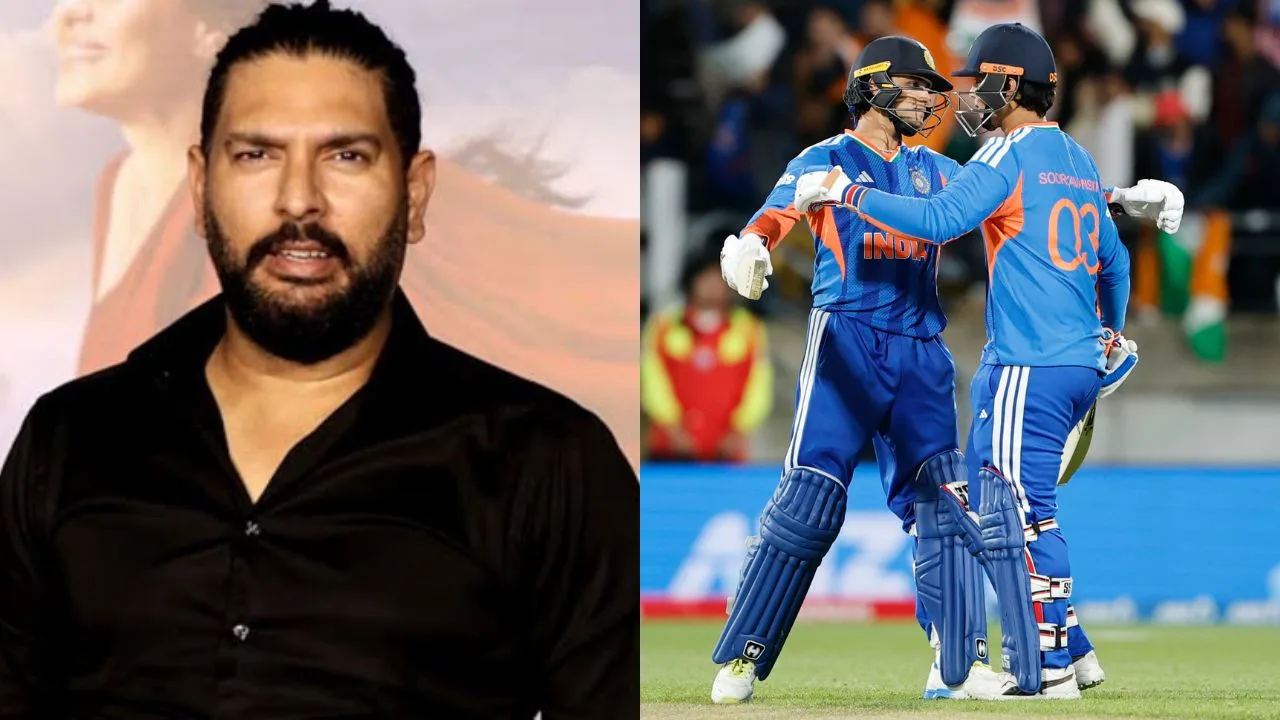
Yuvraj Singh urges BCCI to give Abhishek Sharma and Vaibhav Sooryavanshi ODI chances
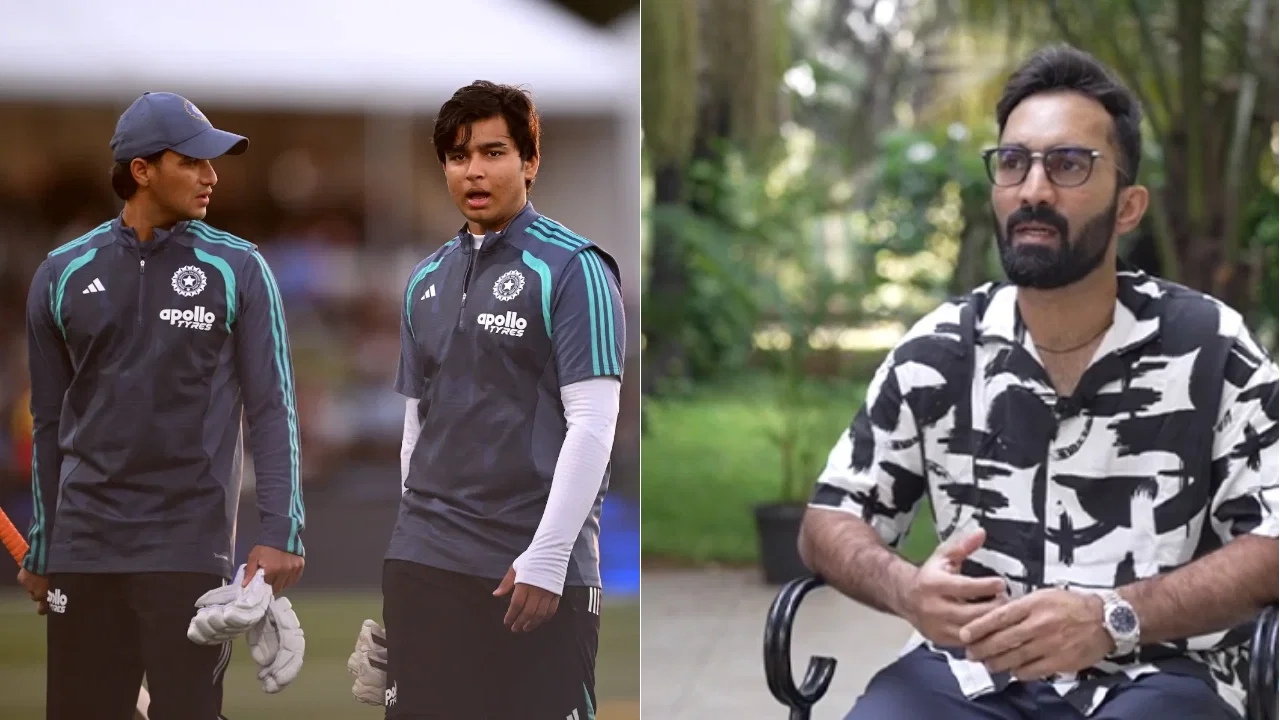
Dinesh Karthik backs Vaibhav Sooryavanshi, asks India to drop this player

Mitchell Santner becomes leading wicket-taker against India in T20Is
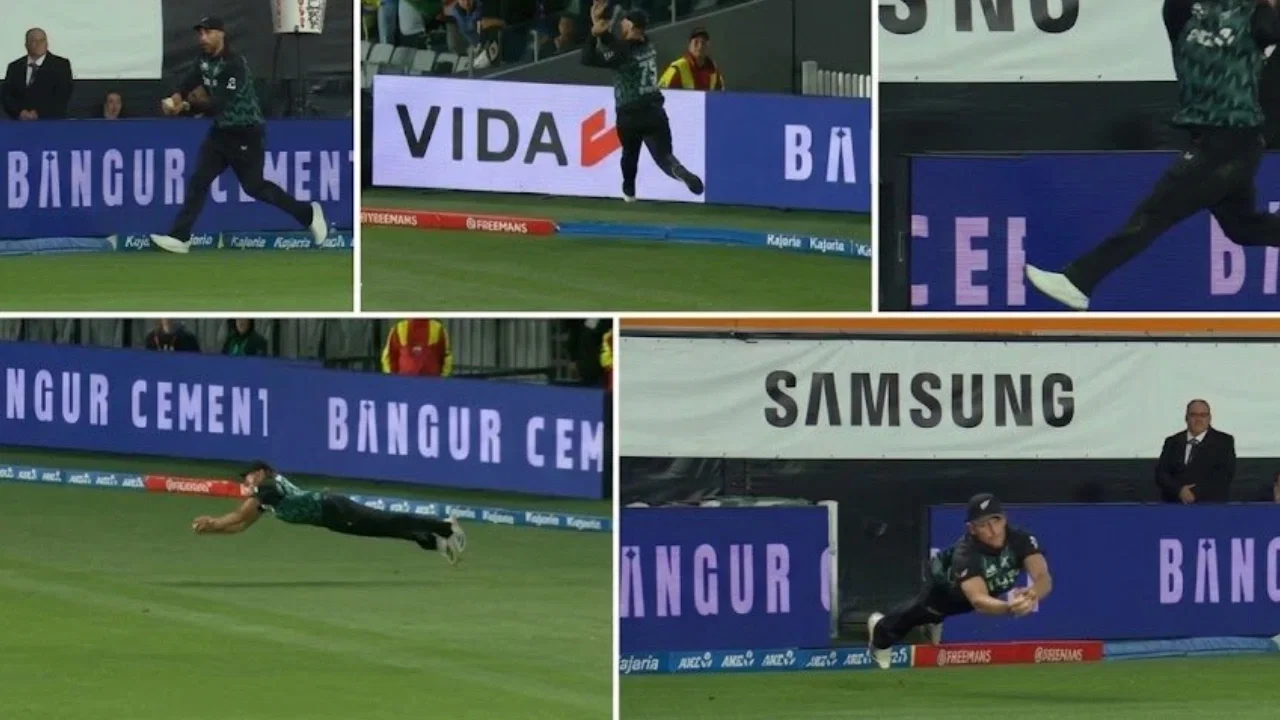
WATCH: Daryl Mitchell, Nathan Smith combine for spectacular catch in 4th T20I against India
India suffer second-biggest defeat in T20I history after 87-run loss to New Zealand
“We fell a bit short in our bowling”: Shreyas Iyer blames bowlers after India’s defeat against New Zealand
Rashid Khan scripts history, becomes first bowler to achieve rare T20I milestone
Glenn Phillips provides hamstring injury update after match-winning ton against India
Ishan Kishan’s wicketkeeping role raises fresh questions over Sanju Samson’s India future
“It won’t happen again”: Salman Ali Agha takes indirect swipe at Mohsin Naqvi and PCB over mass sacking