Mitchell Santner becomes leading wicket-taker against India in T20Is

Mitchell Santner Sets T20I Record Against India as New Zealand Claim Auckland Win
New Zealand captain Mitchell Santner reached a significant milestone in T20 international cricket during the fourth match of the five-game series against India at Eden Park, Auckland. By dismissing Nitish Kumar Reddy, the left-arm spinner became the leading wicket-taker against India in men’s T20Is, moving ahead of his teammate Ish Sodhi.
The record arrived on a difficult night for India. After winning the first three matches and securing the series, the visitors struggled while chasing New Zealand’s imposing target of 260. The hosts won by 87 runs, reducing India to 172 for nine and giving the Black Caps a timely response before the final match.
Santner Moves Ahead of Ish Sodhi
Santner’s record-breaking wicket came during India’s chase. Reddy attempted to cut a slower delivery outside off stump, but his shot went in the air towards Michael Bracewell at extra cover. Bracewell held the catch, ending Reddy’s innings at 21 from just 10 balls. The young all-rounder had struck two sixes, but could not turn his brisk start into a larger contribution.
The dismissal gave Santner his 31st T20I wicket against India. Sodhi now sits second with 30, while England’s Chris Jordan is next on the list with 24. Jofra Archer and Adil Rashid have each taken 22 wickets against India in the format.
Most T20I Wickets Against India
31: Mitchell Santner
30: Ish Sodhi
24: Chris Jordan
22: Jofra Archer and Adil Rashid
The achievement adds to Santner’s wider record in the shortest format: he has also passed 150 career T20I wickets. His value to New Zealand lies not only in taking wickets but in controlling the middle overs, varying his pace and forcing batters to take risks. Against India, a side known for its attacking approach, that ability can be especially influential.
Second Wicket Deepens India’s Trouble
Santner did not stop after removing Reddy. He soon dismissed Axar Patel, further weakening India’s chase. The New Zealand captain tossed the ball up and sent it wide of the left-handed batter. Axar reached for a drive and hit it back towards the bowler. Santner reacted quickly, stopping the ball before taking the rebound to complete a sharp return catch.
Axar departed for seven from nine deliveries. The double strike left India with little room to recover as the required run rate continued to climb. Santner’s contribution was a reminder that a spinner’s impact in T20 cricket is not limited to conventional turn: changes of pace, accuracy and alert fielding can combine to shift a match in a few overs.
New Zealand Turn the Series Around in Auckland
India had already won the first three matches and secured the five-match series, but the fourth T20I offered New Zealand an opportunity to respond. The home side made the most of it, setting a target of 260 before dismissing India for 172 for nine. The 87-run margin gave the Black Caps a convincing victory and restored some momentum ahead of the final fixture, scheduled for November 1.
The result also showed how quickly the balance can change in a high-scoring T20 match. Eden Park is known for its compact boundaries, which can reward aggressive batting and make large totals possible. But a demanding chase still requires partnerships and careful management of the asking rate. As wickets fell, India’s task became increasingly difficult, and Santner’s strikes helped prevent a late recovery.
For supporters following the series, the final game now carries fresh interest. India have already clinched the series, but New Zealand will be looking to finish strongly after their Auckland win. Santner’s record-breaking performance adds another storyline, while the teams will also be assessing how their bowling and fielding hold up under pressure.
Dropped Catches Remain a Concern for New Zealand
Despite the victory, New Zealand have an area to address: their fielding. The Black Caps have dropped 11 catches during the series so far, a costly pattern that could have made matches closer. That total is the second-highest number of dropped catches by New Zealand in a T20I series.
The team’s unwanted benchmark remains 14 dropped catches in a five-match home T20I series against South Africa earlier in 2026. With the final match still to come, New Zealand will want to improve their execution in the field. In a format where a single missed chance can change the outcome, reliable catching is as important as producing a big total or taking early wickets.
Prediction: What to Watch in the Final T20I
India enter the final match with the series already won, while New Zealand will be encouraged by their emphatic performance in Auckland. A key point to watch will be whether Santner can carry his form into the closing game and add to his record against India. India, meanwhile, will be keen to finish the tour with a stronger batting display after falling well short of the target in the fourth T20I.
New Zealand’s catching will also be under scrutiny. If they convert more chances, they can put greater pressure on India’s batters; if missed opportunities continue, the visitors may find openings to respond. The final result will depend on execution across all three departments, but the Auckland match has given the series a compelling closing chapter: India have the trophy, while New Zealand have momentum—and Santner has made T20I history.
Latest News
Auqib Nabi replaces Prasidh Krishna in India’s squad for first three ODIs vs New Zealand
Yashasvi Jaiswal the next Rishabh Pant? Fresh duck raises questions over India future
Stephen Fleming supports Team India’s decision to drop Vaibhav Sooryavanshi in 4th T20I vs New Zealand
Glenn Phillips credits IPL for shaping his game after match-winning century against India

Yuvraj Singh urges BCCI to give Abhishek Sharma and Vaibhav Sooryavanshi ODI chances

Dinesh Karthik backs Vaibhav Sooryavanshi, asks India to drop this player
Mitchell Santner becomes leading wicket-taker against India in T20Is
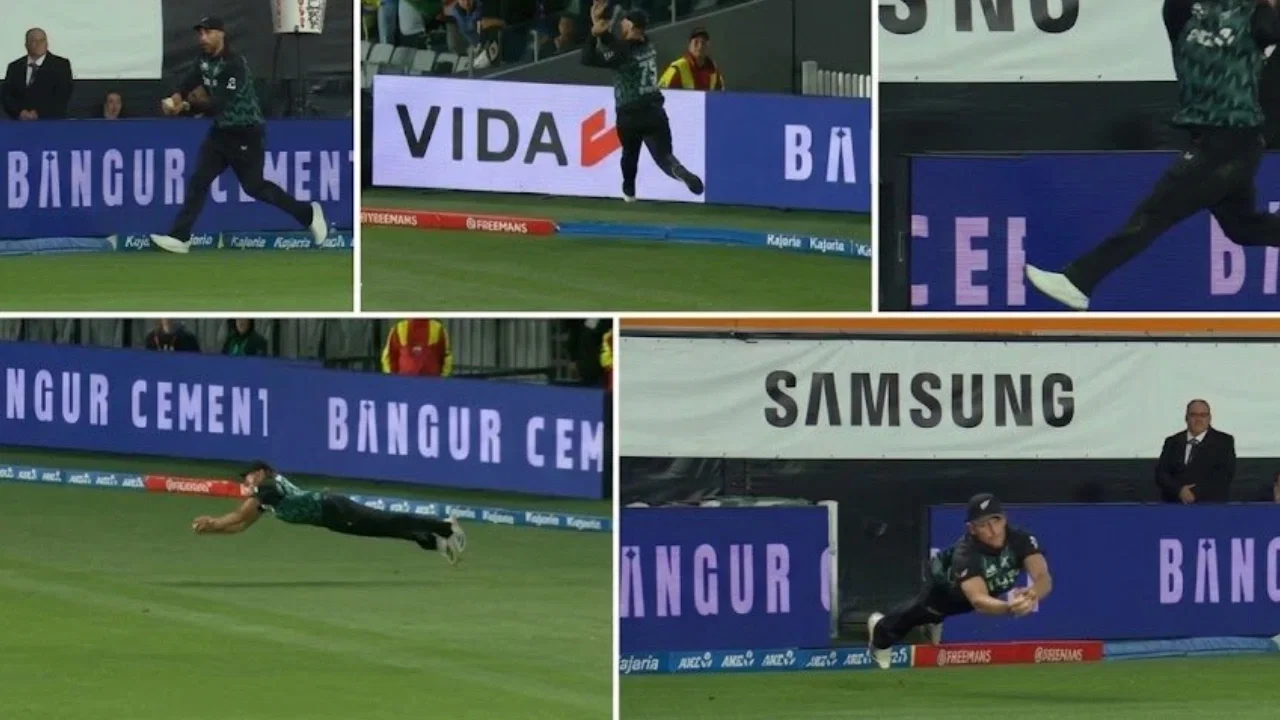
WATCH: Daryl Mitchell, Nathan Smith combine for spectacular catch in 4th T20I against India
India suffer second-biggest defeat in T20I history after 87-run loss to New Zealand
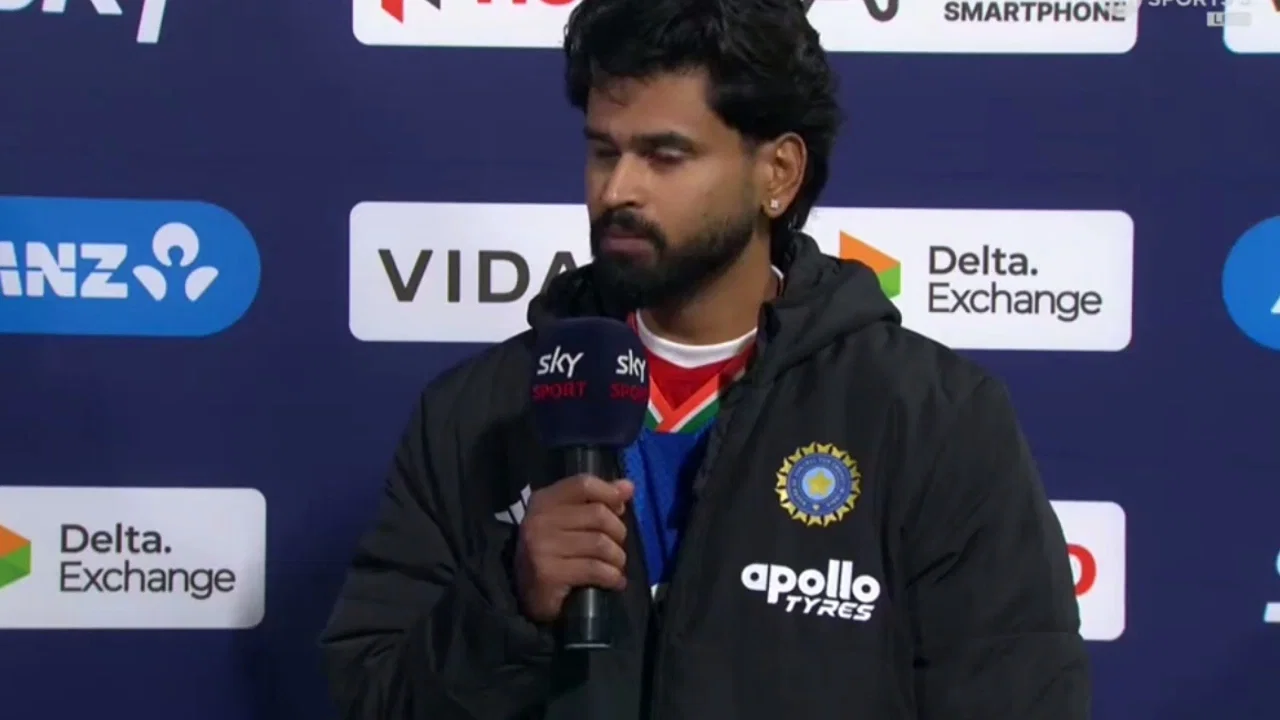
“We fell a bit short in our bowling”: Shreyas Iyer blames bowlers after India’s defeat against New Zealand

Rashid Khan scripts history, becomes first bowler to achieve rare T20I milestone

Glenn Phillips provides hamstring injury update after match-winning ton against India

Ishan Kishan’s wicketkeeping role raises fresh questions over Sanju Samson’s India future

“It won’t happen again”: Salman Ali Agha takes indirect swipe at Mohsin Naqvi and PCB over mass sacking