India suffer second-biggest defeat in T20I history after 87-run loss to New Zealand
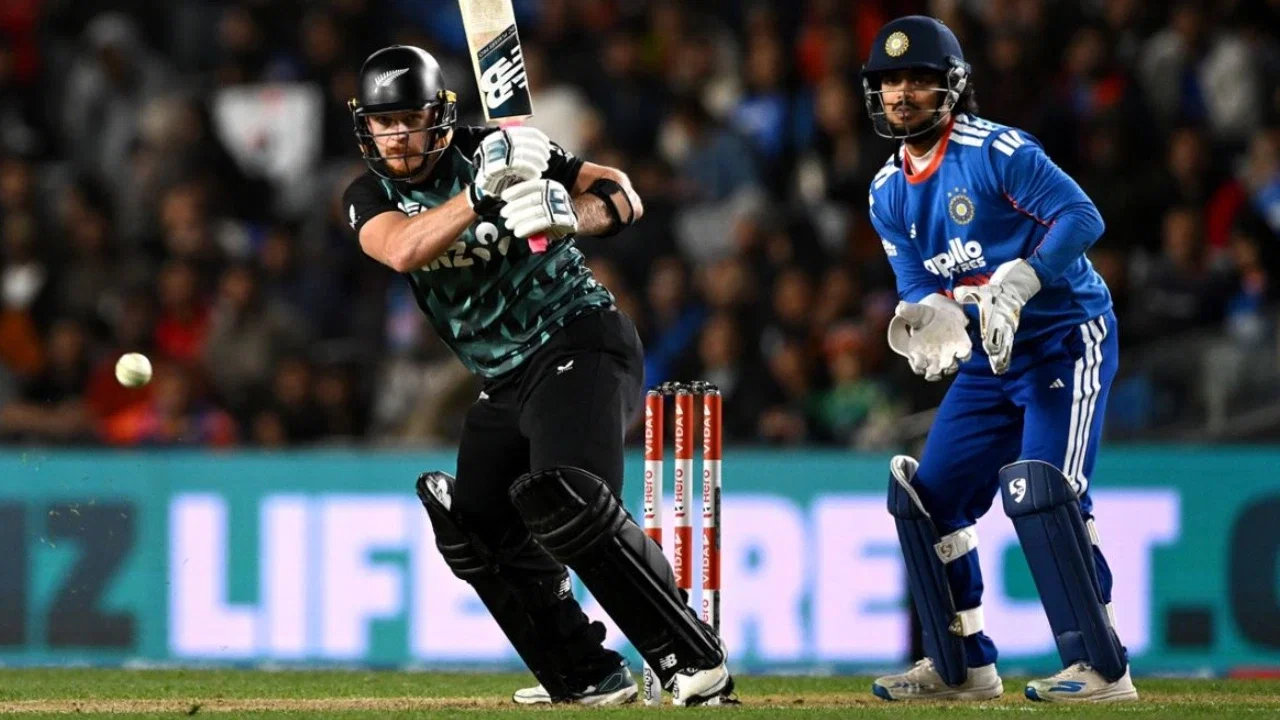
New Zealand Crush India by 87 Runs in Auckland as Glenn Phillips Powers Record-Breaking Win
India’s tour of New Zealand took a dramatic turn on October 30, as the hosts claimed an emphatic 87-run victory in the fourth T20I at Eden Park, Auckland. New Zealand piled up 259 for seven before bowling India out of contention at 172, securing their first win of the five-match series and handing the visitors one of their heaviest defeats in T20 internationals.
The result was a sharp contrast to the close contest many fans had anticipated between the two sides, who had both reached the final of the 2026 T20 World Cup. Instead, the home team controlled the match after a remarkable middle-order recovery, then kept India under pressure throughout the chase. The win also gave Mitchell Santner’s side a long-awaited breakthrough in the series.
India’s second-biggest defeat by runs in T20Is
The 87-run loss ranks as India’s second-largest defeat by runs in men’s T20 internationals. It is a striking statistic for a team that has enjoyed major success in the format, including its 2026 T20 World Cup triumph. Yet the result also highlights how quickly a high-scoring T20 match can get away from a side when the opposition builds a total beyond the reach of a conventional chase.
India’s heaviest T20I defeat came earlier in 2026, when England beat the Men in Blue by 125 runs in Nottingham. The latest loss in Auckland moves into second place on the list, ahead of India’s 80-run defeat to New Zealand in Wellington in 2019. A 76-run loss to South Africa in Ahmedabad earlier this year also features among India’s biggest T20I defeats.
India’s biggest T20I defeats by runs
1. 125 runs vs England, Nottingham, 2026
2. 87 runs vs New Zealand, Auckland, 2026
3. 80 runs vs New Zealand, Wellington, 2019
4. 76 runs vs South Africa, Ahmedabad, 2026
While a defeat of this scale will attract attention, the scoreline should be viewed in the context of the conditions. Eden Park’s relatively short boundaries can reward aggressive batting, and New Zealand made full use of the ground once its innings gained momentum. India, by contrast, had little margin for error against a target of 260.
Glenn Phillips turns New Zealand’s innings around
New Zealand’s innings did not begin as a straightforward march toward a huge total. India made early inroads, leaving the hosts at 34 for two and raising the prospect of a more manageable first-innings score. Glenn Phillips then changed the direction of the match with a powerful 107 from just 49 balls.
Phillips struck six fours and ten sixes, combining clean hitting with an ability to keep the scoreboard moving. His century was more than a collection of big shots: it gave New Zealand stability after the early wickets and allowed the team to attack with greater freedom in the closing overs. Once Phillips found his rhythm, India’s bowlers struggled to contain the scoring rate on a ground where even well-directed deliveries can be punished.
Michael Bracewell added further damage with a blistering 65 from 25 balls. His contribution ensured New Zealand did not rely on Phillips alone to reach a commanding total. The pair’s acceleration transformed a recovery effort into a match-defining surge, taking the hosts to 259 for seven from their allotted 20 overs.
India fall behind the required rate
Chasing 260 required India to attack from the outset, but the target left little room for a cautious start or a prolonged rebuilding phase. The visitors lost wickets at regular intervals and were unable to produce a sustained partnership capable of keeping pace with the required run rate. As the asking rate climbed, each new batter faced increasing pressure to score quickly.
India eventually finished on 172 after using their full 20 overs. The total reflected the challenge of the chase: the team needed both a rapid start and a substantial innings from the middle order, but New Zealand’s bowlers repeatedly interrupted any attempt to build momentum. The hosts’ huge first-innings score also meant that isolated bursts of scoring were not enough to bring the contest back within reach.
In high-scoring T20 cricket, a target of 260 can change the nature of a chase before the first ball is bowled. Batters are often forced to take risks early, and those risks can create opportunities for the bowling side. New Zealand’s total placed India in precisely that position, with the visitors needing an exceptional performance simply to stay in contention.
A rare T20I defeat for India in New Zealand
The Auckland result also ended India’s long run of success in T20 internationals played on New Zealand soil. It was India’s first defeat in the country in seven years, adding historical significance to an already emphatic result.
Recent meetings between the teams had generally favoured India. Across the previous 11 T20Is between the sides, India had won nine, lost one and tied one. That record helps explain why expectations were high heading into the match, but it also shows how decisively New Zealand disrupted the established pattern with their performance at Eden Park.
What the result means for the series
New Zealand’s first win of the five-match series gives the hosts a valuable lift and adds fresh interest to the remaining fixtures. For India, the defeat provides a chance to reassess their approach to defending against aggressive middle-order batting and to chasing exceptionally large totals. The team will need a more effective response with the ball and greater consistency through the batting order if it is to avoid another one-sided contest.
Any prediction for the next match will depend on how both sides respond. New Zealand can take confidence from Phillips’ explosive innings and Bracewell’s support, while India will be keen to show that the Auckland defeat was an isolated setback rather than a sign of a wider problem. With the series still underway, the next game offers India an immediate opportunity to answer back—and New Zealand a chance to build on a memorable win.
Latest News
Auqib Nabi replaces Prasidh Krishna in India’s squad for first three ODIs vs New Zealand
Yashasvi Jaiswal the next Rishabh Pant? Fresh duck raises questions over India future
Stephen Fleming supports Team India’s decision to drop Vaibhav Sooryavanshi in 4th T20I vs New Zealand
Glenn Phillips credits IPL for shaping his game after match-winning century against India

Yuvraj Singh urges BCCI to give Abhishek Sharma and Vaibhav Sooryavanshi ODI chances

Dinesh Karthik backs Vaibhav Sooryavanshi, asks India to drop this player

Mitchell Santner becomes leading wicket-taker against India in T20Is

WATCH: Daryl Mitchell, Nathan Smith combine for spectacular catch in 4th T20I against India
India suffer second-biggest defeat in T20I history after 87-run loss to New Zealand

“We fell a bit short in our bowling”: Shreyas Iyer blames bowlers after India’s defeat against New Zealand

Rashid Khan scripts history, becomes first bowler to achieve rare T20I milestone

Glenn Phillips provides hamstring injury update after match-winning ton against India

Ishan Kishan’s wicketkeeping role raises fresh questions over Sanju Samson’s India future
“It won’t happen again”: Salman Ali Agha takes indirect swipe at Mohsin Naqvi and PCB over mass sacking