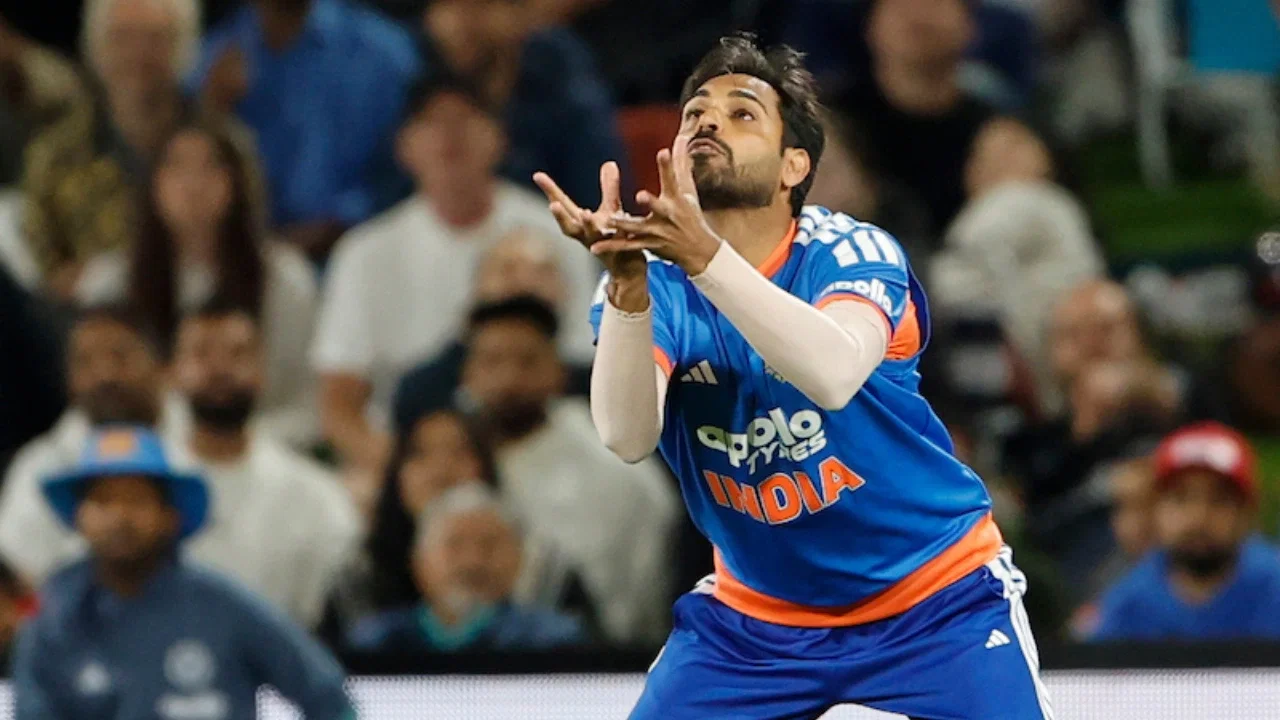
Abhishek Sharma breaks Rohit Sharma’s six-hitting record to go No. 1
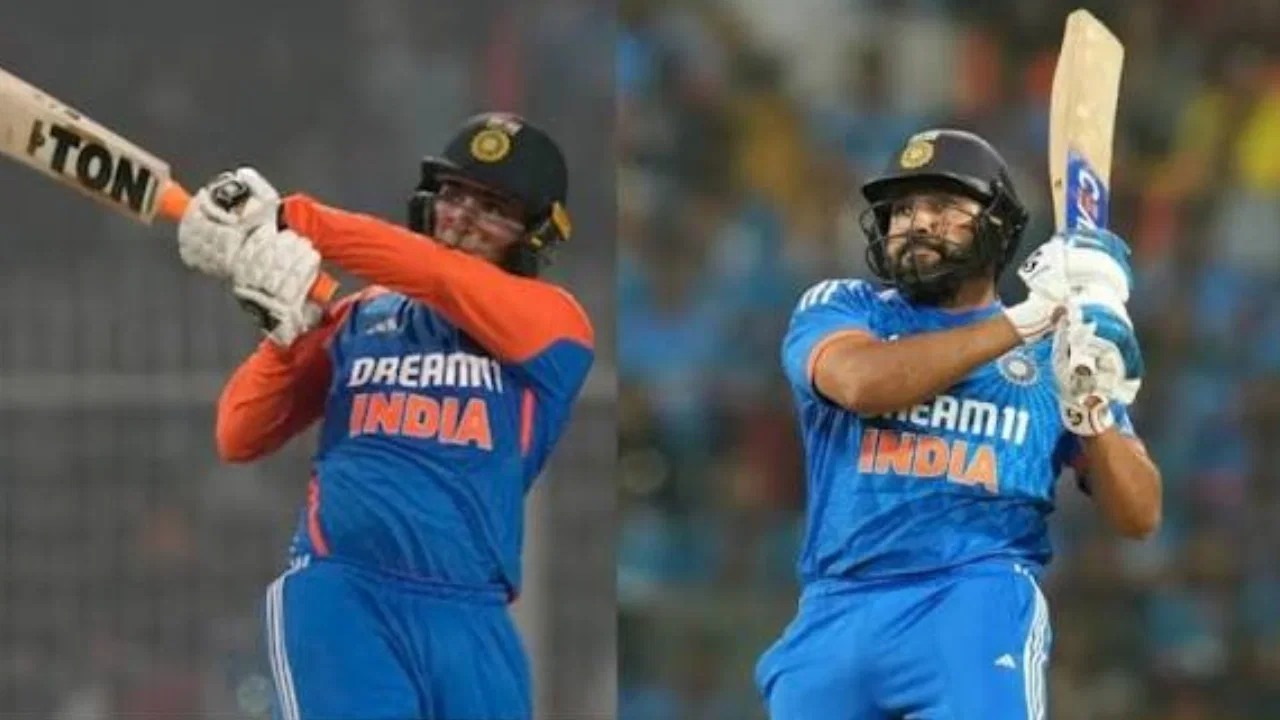
Abhishek Sharma Surpasses Rohit Sharma in T20I Powerplay Sixes
Abhishek Sharma continued to strengthen his reputation as one of India’s most explosive T20 batters, moving past Rohit Sharma on the list of players with the most sixes in the powerplay in men’s T20 internationals. His brisk 29 from just 12 balls helped India launch a demanding chase against New Zealand in Christchurch and gave the visitors an early surge of momentum.
India faced a target of 226 after New Zealand posted 225 for four. Chasing a total of that size away from home was always likely to require a fast start, and Abhishek and opening partner Sanju Samson supplied exactly that. Their aggressive approach put the New Zealand bowlers under pressure before the innings had reached its first major turning point.
Abhishek’s Quickfire Knock Sets the Tone
Abhishek struck two boundaries and three sixes during his short innings, scoring at a strike rate of 241.67. The left-hander attacked early, using the powerplay field restrictions to find gaps and clear the boundary. Although he was dismissed before reaching 30, his contribution helped India build a strong platform for the chase.
His third six of the innings brought him to 99 powerplay sixes in T20Is, taking him beyond Rohit’s previous mark of 98. Abhishek now sits at the top of the list, with the milestone of 100 powerplay sixes within immediate reach. The record reflects not only his ability to hit the ball hard, but also how consistently he has made an impact during the opening overs.
Most Powerplay Sixes in T20 Internationals
99 – Abhishek Sharma
98 – Rohit Sharma
97 – Martin Guptill
95 – Muhammad Waseem
94 – Paul Stirling
87 – Quinton de Kock
Rohit’s former record is a notable benchmark. The former India captain built his reputation on combining timing with power, and his long-standing presence near the top of the list underlines his influence in the format. Abhishek’s rise, meanwhile, highlights the increasingly fearless style of India’s current T20 batting group.
Samson and Abhishek Give India a Powerful Start
Abhishek’s aggression was matched by Samson, who went on to score a half-century. Together, the openers gave India a rapid start and kept the required scoring rate within reach during the early stages of the chase. India’s first wicket fell on the fifth ball of the sixth over, with the scoreboard showing 93 runs.
The opening stand helped India finish the powerplay with 94 runs for one wicket. That total ranks among the most productive six-over starts in India’s T20I history. A fast beginning does not guarantee a successful chase—particularly when the target is above 220—but it can prevent the required rate from becoming unmanageable and force the bowling side to adjust its plans early.
New Zealand’s 225 for four gave its bowlers a substantial total to defend, but India’s openers made clear that the visitors would not settle for a cautious response. Their approach also offered a useful example of how teams can pursue a large target: attack the powerplay, make full use of fielding restrictions, and build enough momentum to give the middle order options later in the innings.
India’s Biggest Powerplays in T20Is
The Christchurch start joined several recent high-scoring powerplays by India. The team’s record remains 100 without loss against Afghanistan in Delhi in 2026. India have also produced major opening-over totals against England and New Zealand, reflecting the depth and intent of their top order.
India’s highest totals in overs 1–6 in T20Is:
100/0 vs Afghanistan, Delhi, 2026
95/1 vs England, Mumbai, 2025
94/2 vs New Zealand, Guwahati, 2026
94/1 vs New Zealand, Christchurch, 2026
92/0 vs New Zealand, Ahmedabad, 2026 T20 World Cup final
The figures point to a broader pattern: India have repeatedly started aggressively against New Zealand, including in high-pressure settings. Their 92-run powerplay in the 2026 T20 World Cup final in Ahmedabad was another example of the team’s ability to make a statement against the new ball. The latest Christchurch effort adds to that run of powerful starts.
What the Record Means for India’s T20 Plans
Abhishek’s record is particularly relevant to India’s approach in the shortest format. A batter who can score quickly in the opening overs gives the team a chance to build a large total or keep pace with a demanding target. His ability to attack both pace and spin can also complicate a captain’s powerplay bowling choices.
Still, the value of an explosive start depends on what follows. India must balance early scoring with wickets in hand, especially when chasing a total as challenging as New Zealand’s. Abhishek’s brief innings and Samson’s half-century showed the potential of the opening partnership, while the rest of the batting order remained responsible for turning that platform into a complete chase.
For fans following the series, Abhishek’s next powerplay appearance will carry an added point of interest: he is one six away from reaching 100 in the format. That milestone could arrive quickly, given his attacking style, but the larger prediction for India will depend on whether the top order can keep producing fast starts while maintaining enough stability through the middle overs.
The bilateral series in New Zealand has only just begun, with more T20Is and ODI matches still to come. If the opening contest is any indication, supporters can expect further high-scoring passages, tactical adjustments and individual milestones. Abhishek’s climb past Rohit’s powerplay record has already provided one of the series’ headline moments—and may be the first of several as India and New Zealand continue their contest.
Latest News
Watch: Nitish Kumar Reddy suffers brain-fade, embarrasses himself with catch celebration off free-hit vs NZ
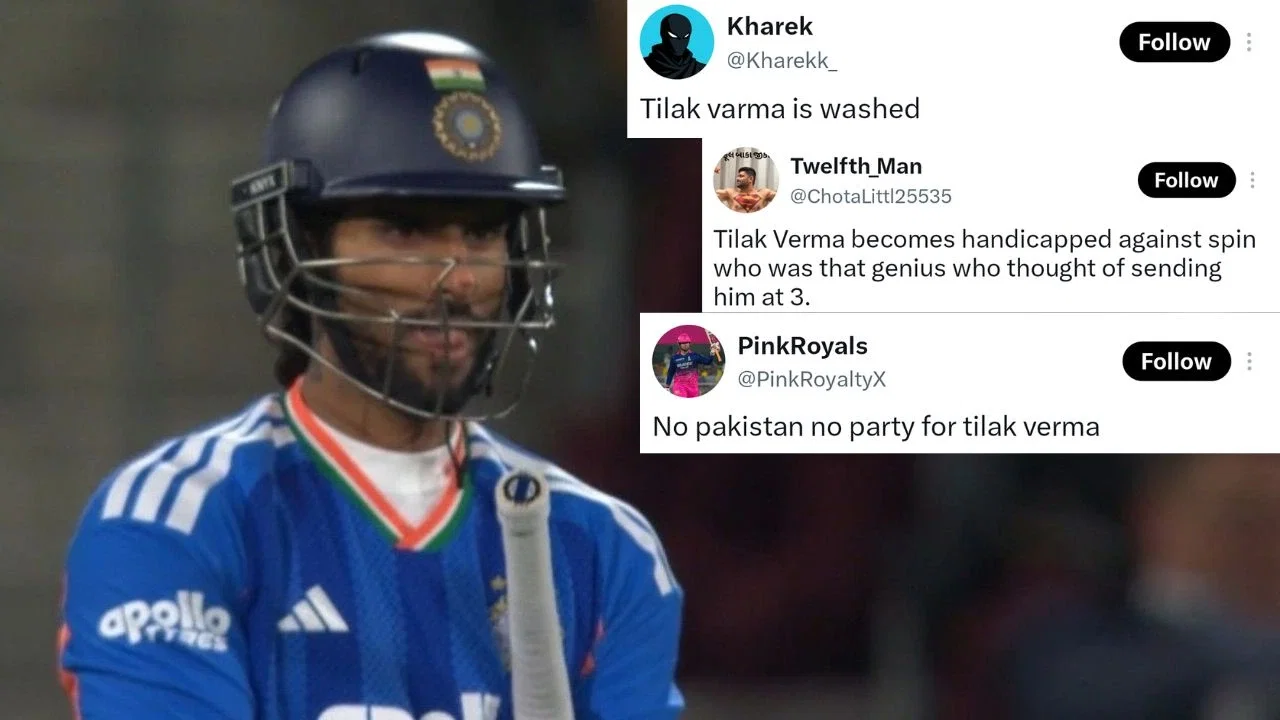
Tilak Varma labelled “fraud” as angry fans bash him for “one of the worst T20 knocks” in 1st NZ T20I
Abhishek Sharma breaks Rohit Sharma’s six-hitting record to go No. 1
Bangladesh spinner Aliss Al Islam reported for suspect bowling action after ODI debut
Joe Root scripts history with 8,000 ODI runs, joins elite international club
“Know exactly what they’re doing”: Shreyas Iyer praises India’s batters after record chase against New Zealand
Harry Brook scripts history, surpasses Shubman Gill with record-breaking double century
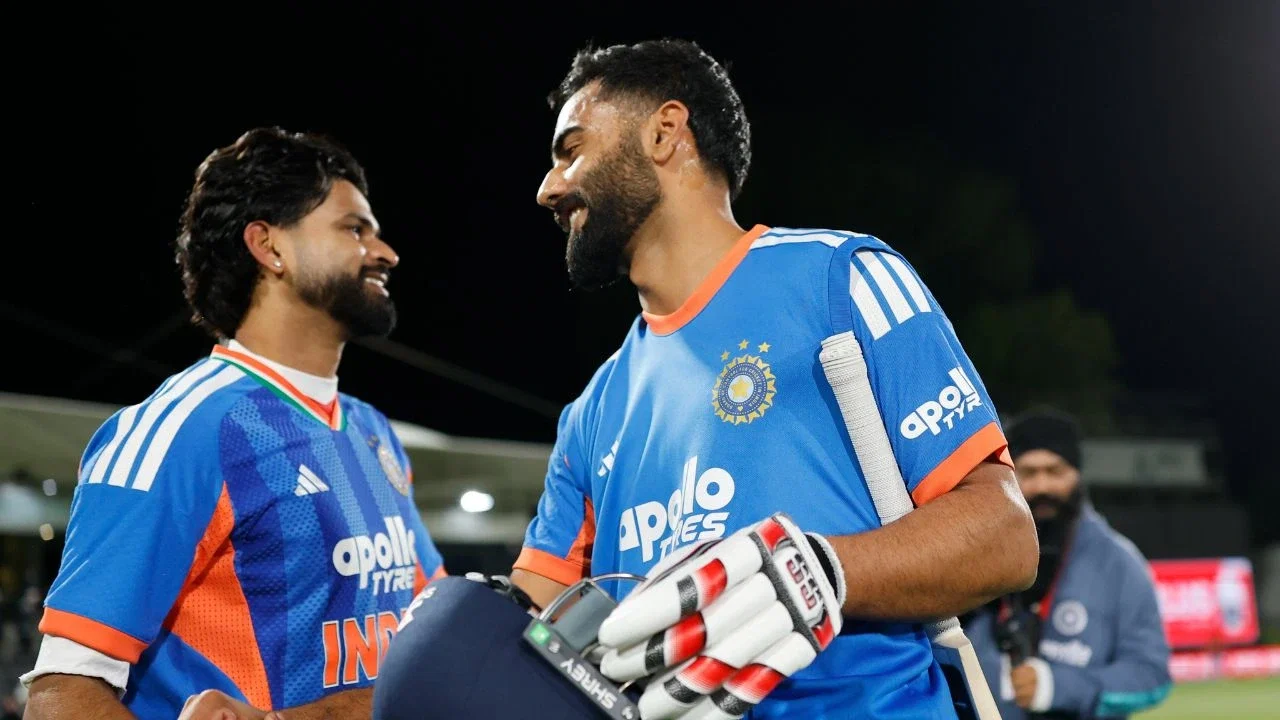
India’s highest T20I run-chases: Top 5 successful pursuits
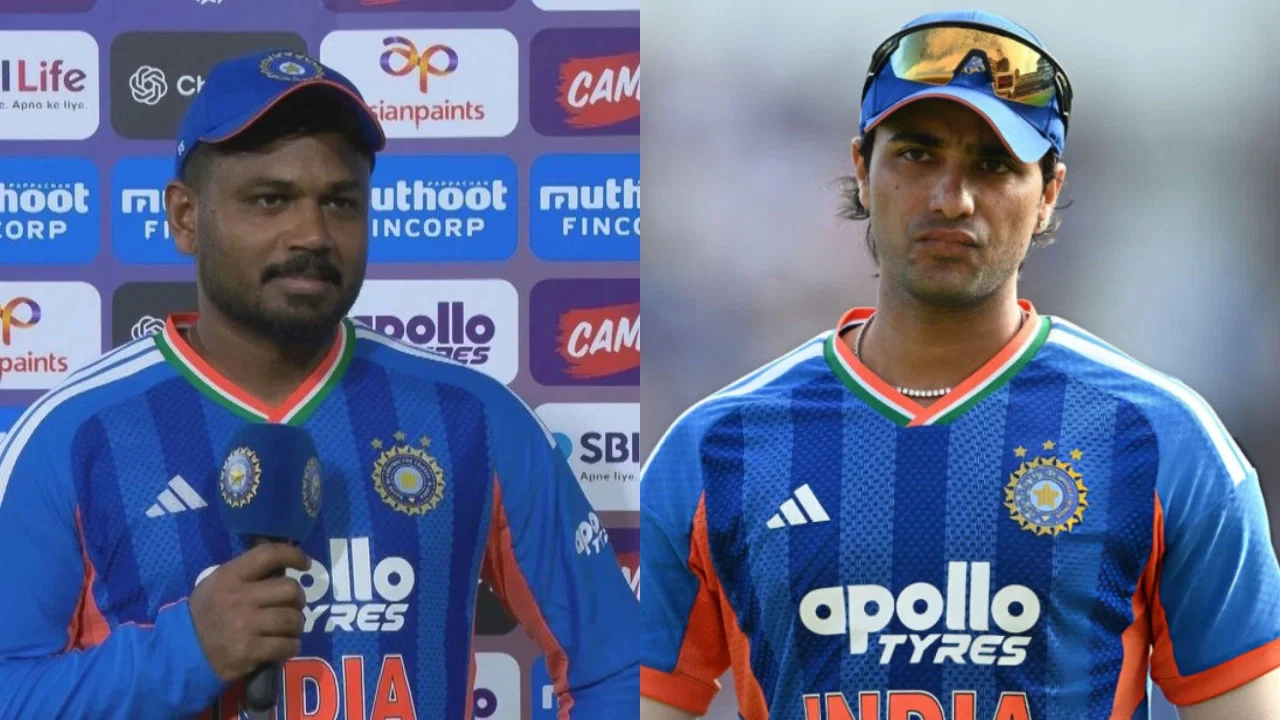
“I like batting with him”: Sanju Samson explains his understanding with Abhishek Sharma after winning POTM
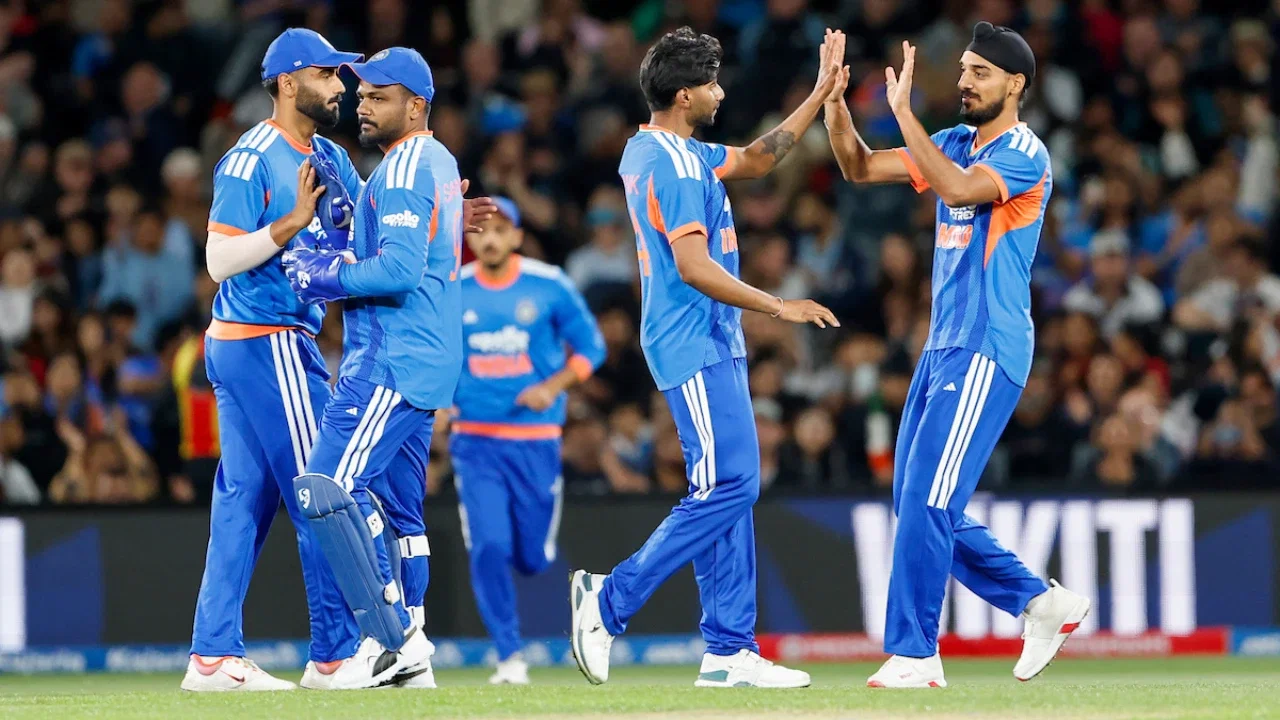
India bowlers create unwanted record against New Zealand in 1st T20I
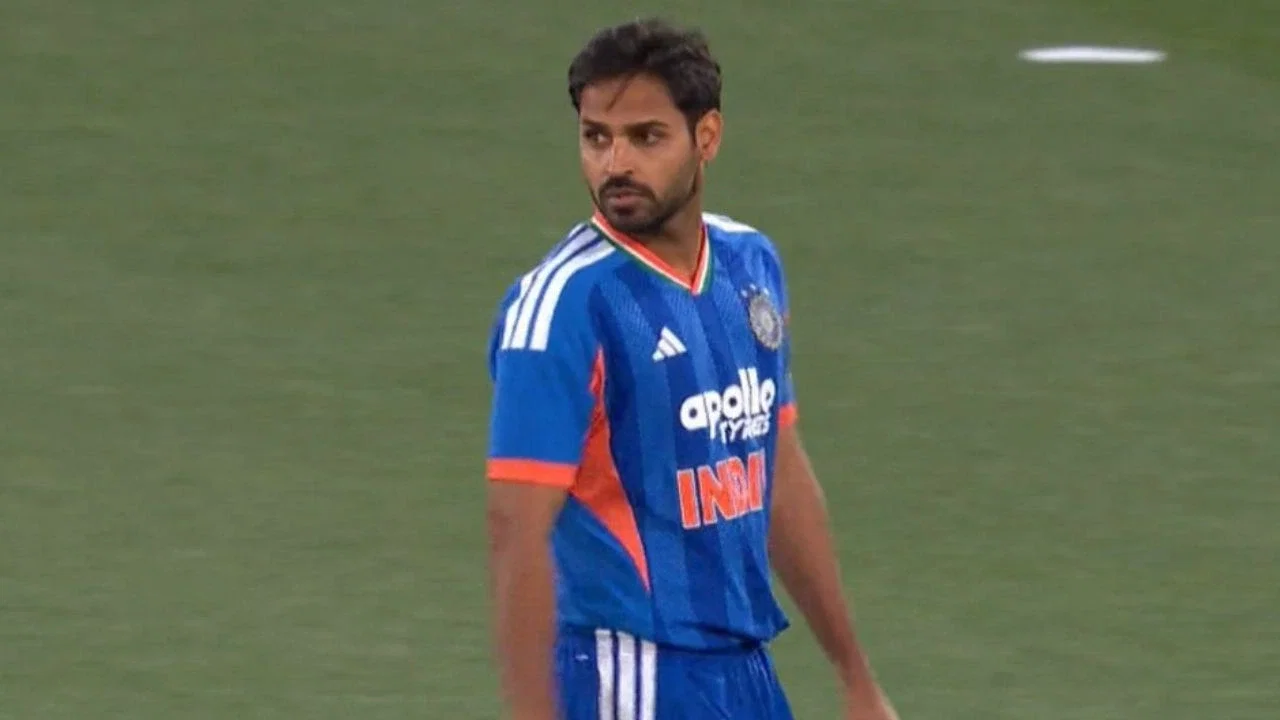
Bhuvneshwar Kumar breaks 89-match streak with first T20I no-ball against New Zealand
Bhuvneshwar Kumar sets world record on India comeback, surpasses Tim Southee
Watch: Abhishek Sharma turns Babar Azam, drops a dolly in 1st T20I vs New Zealand
Full list of Indian cricketers with 100 T20I matches, ft Arshdeep Singh, Virat Kohli