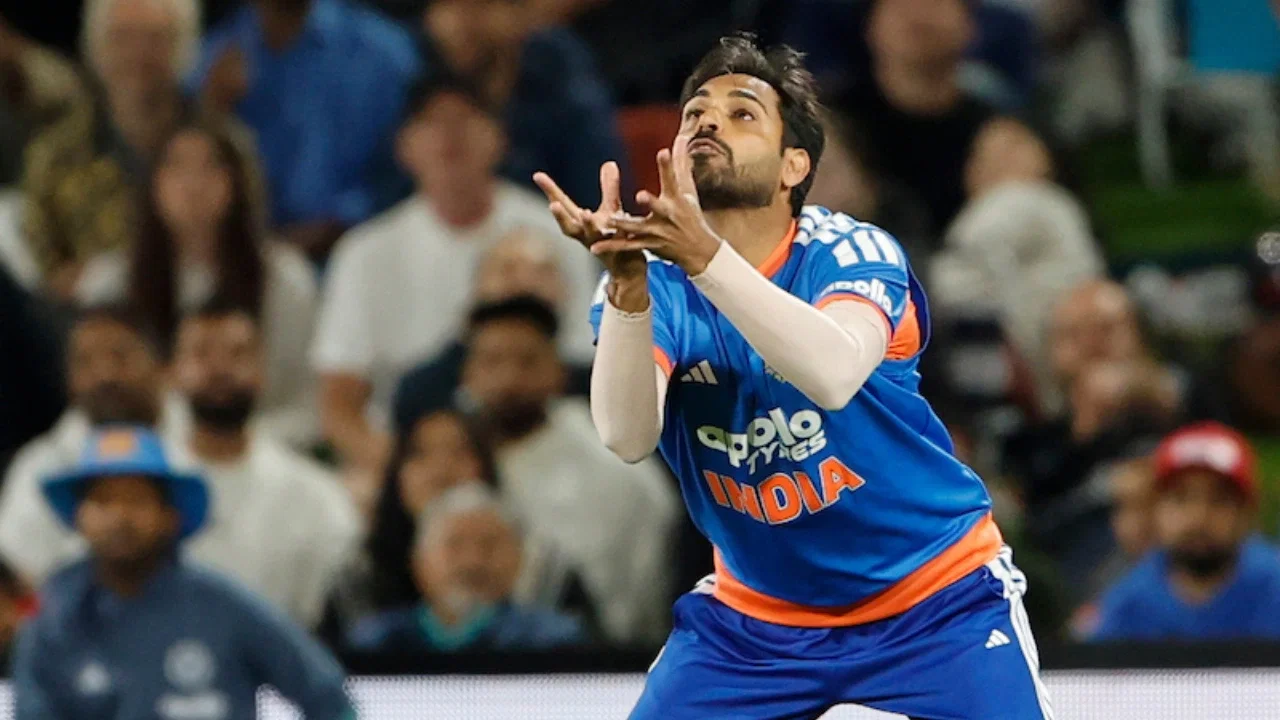
India’s highest T20I run-chases: Top 5 successful pursuits
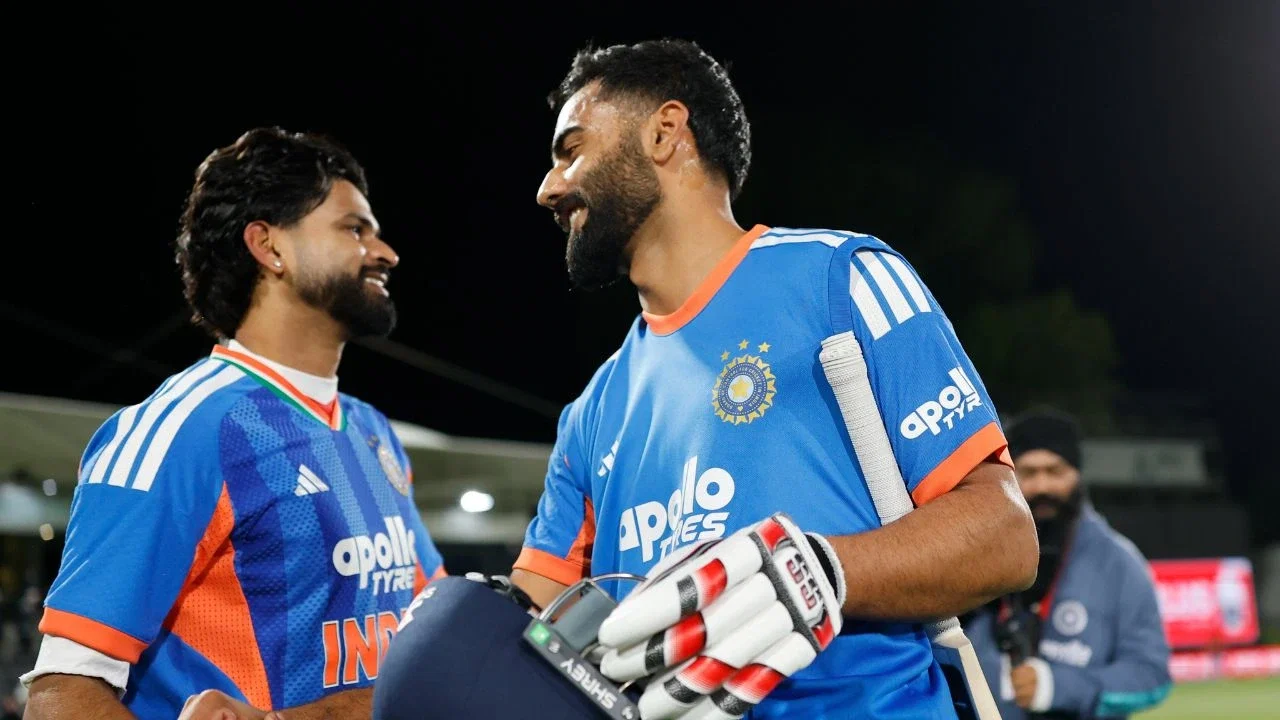
India Make History With Record-Breaking T20I Chase Against New Zealand
India began their T20I series in Christchurch with a remarkable win, chasing down New Zealand’s 225 for a four-wicket victory at Hagley Park South. The visitors reached 230 with two balls remaining, completing the highest successful run chase in India’s T20I history and taking a 1–0 lead in the series.
Led by Shreyas Iyer, India faced a demanding target of 226 after New Zealand’s batters set a brisk pace in the first innings. The chase required sustained attacking intent, but India combined a defining innings from Sanju Samson with a late burst from Naman Dhir to turn a daunting total into a memorable opening-night result.
India Set a New Benchmark in T20I Run Chases
India’s previous highest successful chase in T20 internationals was 209, a mark they had reached against Australia in Visakhapatnam in 2023. The Christchurch victory took them past that record, with the team crossing the finish line at 230 after keeping their composure through a high-pressure final phase.
The result also stands out because a target of 226 leaves little room for a quiet start or a prolonged recovery. India needed to balance the urgency of the required rate with the risk of losing wickets. Their batters maintained momentum across the innings, ensuring that the chase remained within reach even as New Zealand looked for breakthroughs.
India’s highest successful T20I chases
1. 226 vs New Zealand, Christchurch, 2026
2. 209 vs Australia, Visakhapatnam, 2023
3. 209 vs New Zealand, Raipur, 2026
4. 208 vs West Indies, Hyderabad, 2019
5. 207 vs Sri Lanka, Mohali, 2009
The new record adds another milestone to India’s T20I record book and offers an early talking point in the series. For New Zealand, it is also a reminder that even a total above 220 may not be enough against a side capable of accelerating at several stages of a chase.
India Draw Level With Australia for 200-Plus Chases
India’s successful pursuit was also their seventh 200-plus chase in T20 internationals. That brings them level with Australia at the top of the list among full-member teams. Before the Christchurch match, Australia had recorded seven such chases, while India had six.
Most successful 200-plus chases in T20Is
India: 7
Australia: 7
South Africa: 6
Pakistan: 4
England: 3
West Indies: 3
New Zealand: 1
Bangladesh: 1
The figures underline how increasingly common high-scoring chases have become in modern T20 cricket. Bigger bats, aggressive batting approaches and improved depth in many line-ups have changed expectations: totals once considered virtually out of reach can now be chased when a team builds partnerships and times its acceleration well.
New Zealand’s Fast Start Builds a Challenging Target
New Zealand gave their home crowd plenty to cheer about after winning the opportunity to bat first. Finn Allen provided early momentum, scoring 45 from 24 deliveries and putting pressure on India’s bowlers from the outset. His aggressive start helped establish the platform for a substantial total.
Glenn Phillips and other top- and middle-order contributors continued the scoring push, keeping the innings moving and ensuring India had little opportunity to settle into a defensive rhythm. New Zealand finished on 225, a total that appeared imposing given the conditions and the importance of the series opener.
India’s bowling figures reflected the difficulty of containing an attack-minded batting unit. Axar Patel conceded 51 runs from four overs, while Bhuvneshwar Kumar also had an expensive spell, finishing with an economy rate of 12.25. Patel, Mayank Yadav and Arshdeep Singh each took a wicket, but New Zealand’s scoring rate meant India still had a steep chase ahead.
Samson and Dhir Power India Over the Line
Sanju Samson was central to India’s response, producing a match-defining 67 from just 33 balls. His innings gave the chase both pace and direction, helping India stay connected to the required rate while New Zealand searched for a way to break the partnership rhythm.
Samson’s contribution was recognised with the Player of the Match award, but the finish belonged in large part to Naman Dhir. Arriving during the closing stages, Dhir struck an unbeaten 42 from only 15 deliveries. His late assault dramatically reduced the pressure, turning a tense equation into a successful chase with two balls to spare.
The final margin—four wickets—reflects the contest’s competitive nature. India lost wickets along the way, but the middle and lower order delivered when it mattered. Rather than relying on one batter alone, the team’s chase was shaped by a combination of a substantial innings from Samson and a rapid finish from Dhir.
What the Result Means for the Series
India’s victory gives them an early advantage and strengthens their confidence ahead of the next match. It also provides useful evidence of the side’s batting depth: a record target was reached despite New Zealand posting a formidable score and India’s bowlers having an expensive outing.
For New Zealand, the first T20I will prompt questions about how to defend a large total and how to limit the impact of India’s finishers. The hosts will need to find ways to disrupt partnerships and manage the final overs more effectively if they are to level the series.
Any prediction for the remaining matches should be treated cautiously after such a high-scoring opener. Christchurch showed that momentum can shift quickly in T20 cricket, and a strong total is no guarantee of victory when the chasing side has power and depth. What is clear is that the series has started with a landmark performance: India’s 226-run chase is now their highest in T20Is, and their seventh successful pursuit of a target above 200.
Latest News

Watch: Nitish Kumar Reddy suffers brain-fade, embarrasses himself with catch celebration off free-hit vs NZ

Tilak Varma labelled “fraud” as angry fans bash him for “one of the worst T20 knocks” in 1st NZ T20I
Abhishek Sharma breaks Rohit Sharma’s six-hitting record to go No. 1
Bangladesh spinner Aliss Al Islam reported for suspect bowling action after ODI debut
Joe Root scripts history with 8,000 ODI runs, joins elite international club
“Know exactly what they’re doing”: Shreyas Iyer praises India’s batters after record chase against New Zealand
Harry Brook scripts history, surpasses Shubman Gill with record-breaking double century
India’s highest T20I run-chases: Top 5 successful pursuits
“I like batting with him”: Sanju Samson explains his understanding with Abhishek Sharma after winning POTM
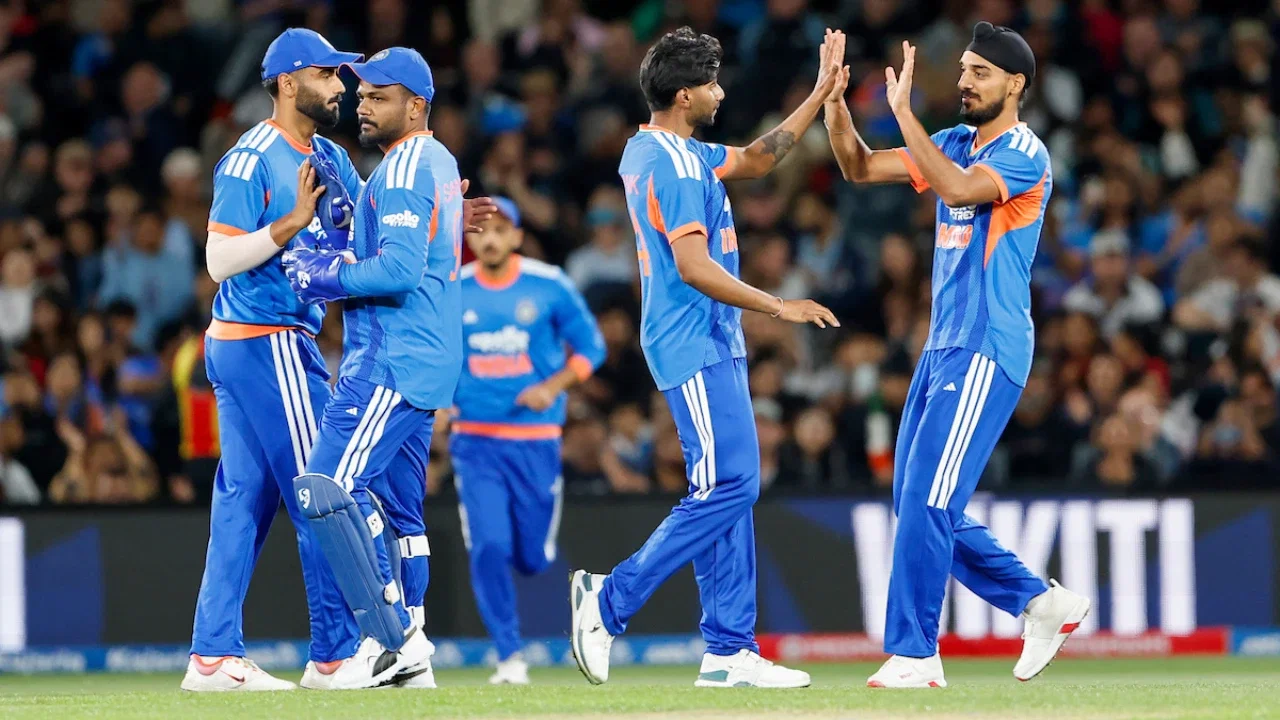
India bowlers create unwanted record against New Zealand in 1st T20I
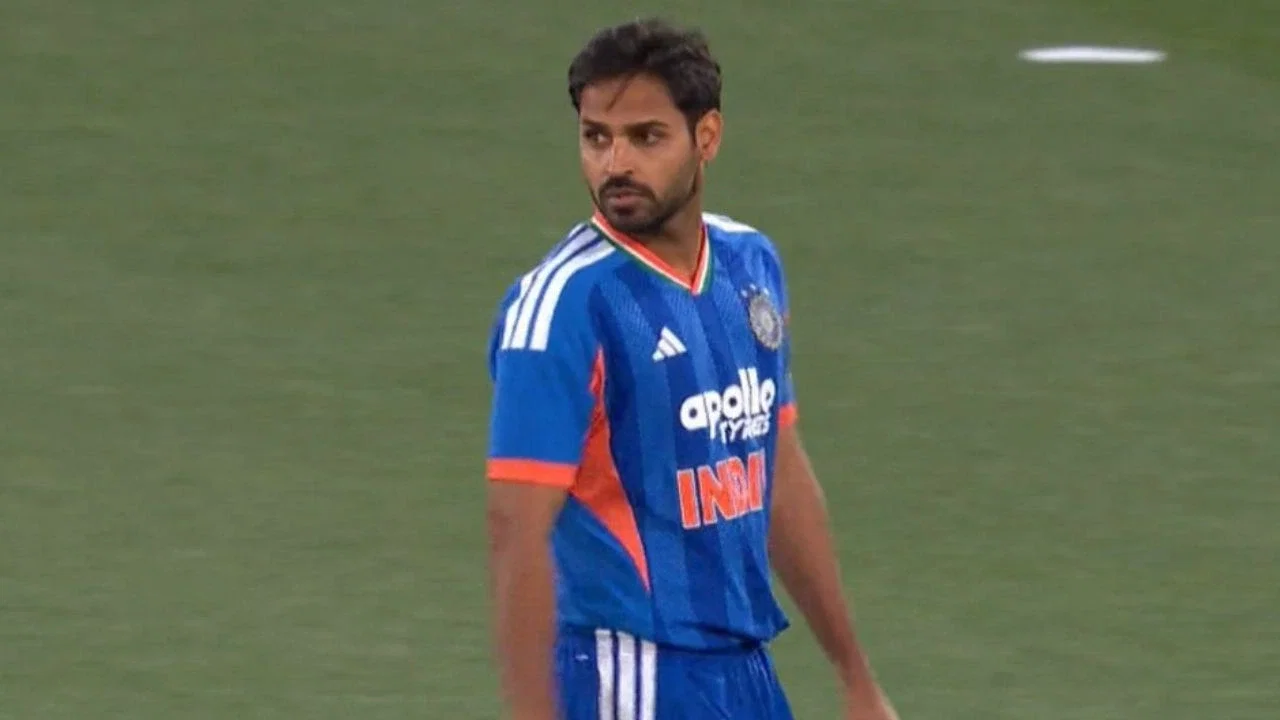
Bhuvneshwar Kumar breaks 89-match streak with first T20I no-ball against New Zealand
Bhuvneshwar Kumar sets world record on India comeback, surpasses Tim Southee
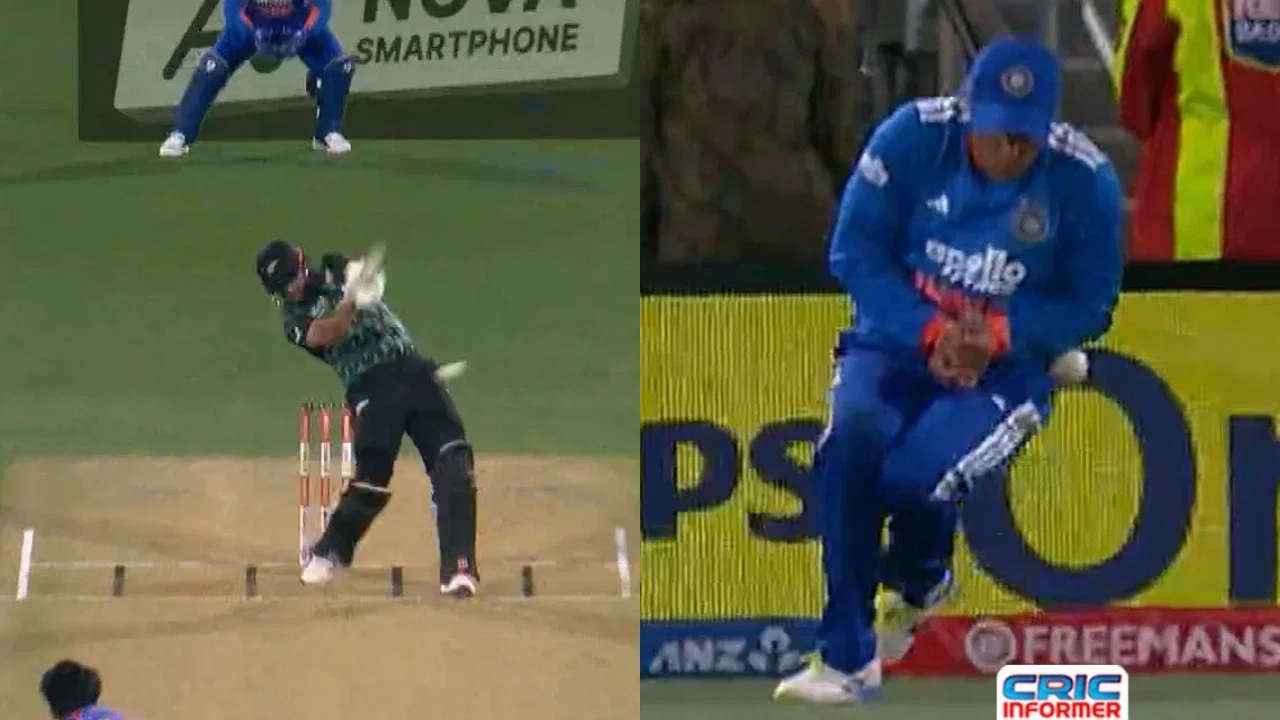
Watch: Abhishek Sharma turns Babar Azam, drops a dolly in 1st T20I vs New Zealand

Full list of Indian cricketers with 100 T20I matches, ft Arshdeep Singh, Virat Kohli