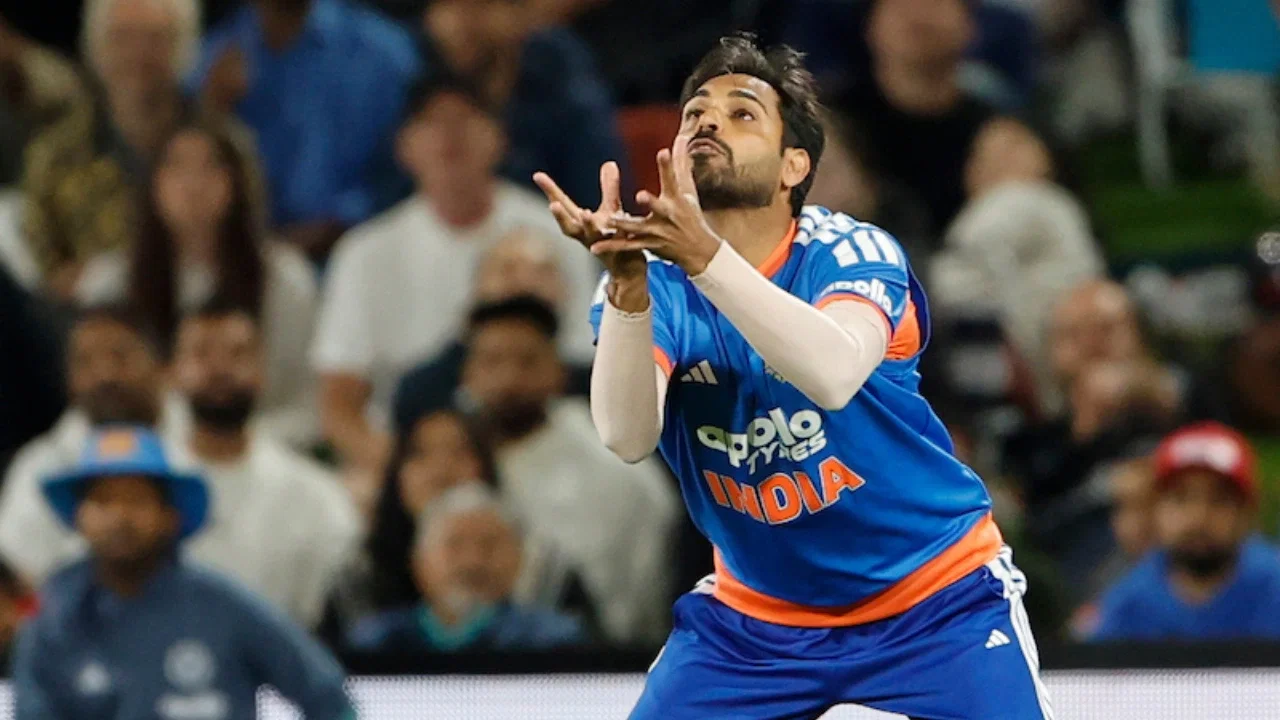
Bangladesh spinner Aliss Al Islam reported for suspect bowling action after ODI debut
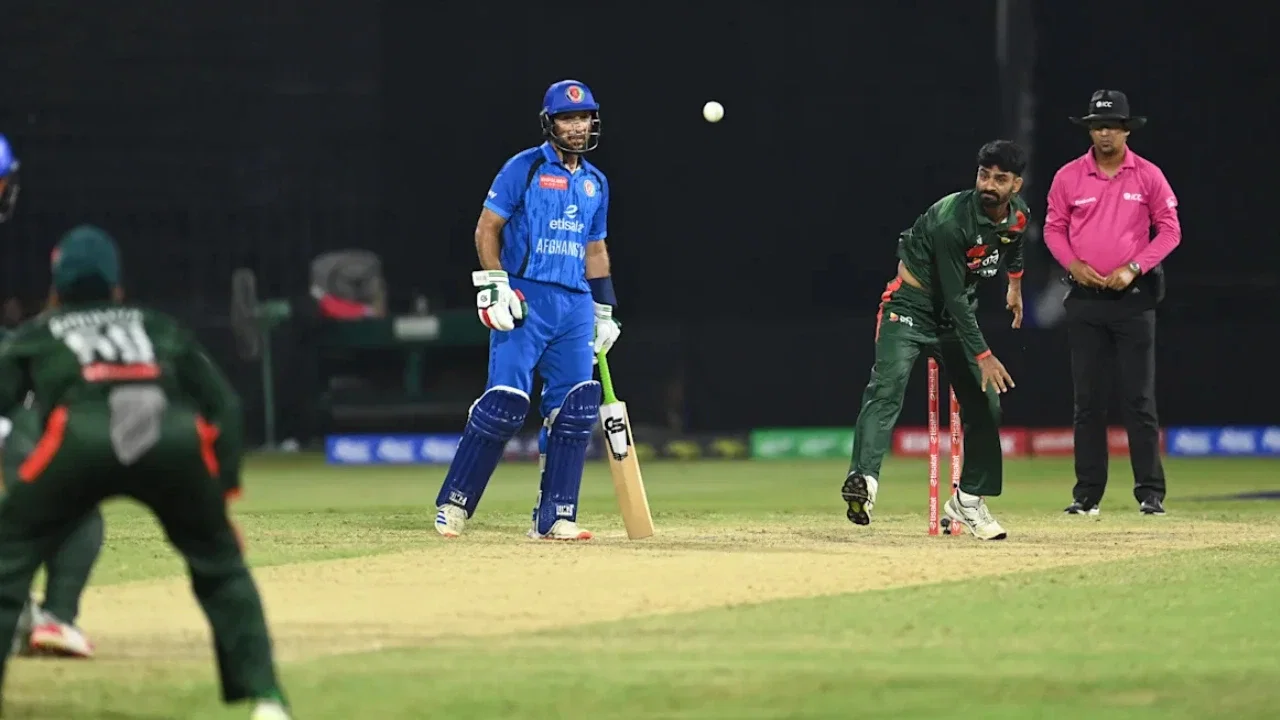
Aliss Al Islam Reported for Suspect Bowling Action After ODI Debut
Bangladesh off-spinner Aliss Al Islam has been referred for an independent review of his bowling action after making his One Day International debut against Afghanistan in Sharjah. The report, submitted following the ODI Tri-Series match on Wednesday, October 21, places the 29-year-old under scrutiny as he begins his international career in the 50-over format.
The International Cricket Council (ICC) confirmed that Islam will undergo testing at an accredited assessment centre. The review will determine whether his action complies with the rules governing how much a bowler may straighten their elbow while delivering the ball. Until the findings are released, Islam is permitted to continue bowling under the standard ICC process.
What Happened in Bangladesh’s Match Against Afghanistan?
Islam played his first ODI in the third match of the tri-series, which also features Zimbabwe. He bowled 8.3 overs and conceded 47 runs, but did not take a wicket as Bangladesh lost to Afghanistan. Match officials raised concerns about his action during or after the contest, prompting the formal report.
The referral does not, by itself, establish that a bowler has broken the rules. Instead, it triggers a technical assessment designed to measure the action under controlled conditions. The outcome will determine whether Islam can continue bowling without changes or whether further steps are required.
Bangladesh’s campaign has been difficult so far, with the team losing both of its matches against Afghanistan and Zimbabwe. Afghanistan and Zimbabwe are scheduled to meet in the final on October 23, while Bangladesh will be left to review a challenging series that has also brought an important issue for one of its emerging spin options.
How the ICC Tests a Bowling Action
Under ICC regulations, a bowler may deliver the ball with a bent arm. The key question is whether the elbow straightens by more than 15 degrees between the point at which the bowling arm reaches shoulder level and the moment the ball is released. A visibly bent arm is not automatically illegal; the degree of elbow extension is what matters.
Assessors also account for a bowler’s natural anatomy. Some people can extend their elbows beyond a straight line, and that natural hyperextension is not treated as part of the movement measured against the 15-degree limit. Standard cricket rules prohibit underarm deliveries, while the bowling-action assessment focuses on whether a delivery is produced within the permitted arm movement.
When on-field umpires or a match referee suspect an illegal action, they can report the bowler during a match or shortly afterward. The player is then generally required to attend an independent assessment at an ICC-accredited facility within 21 days. Specialists use tools such as high-speed cameras, motion analysis and sensors to examine the action and measure the elbow’s movement.
That process is intended to distinguish between an action that may look unusual and one that breaches the regulations. It also gives the bowler a chance to be assessed using consistent technical standards rather than relying only on visual impressions from a match.
From T20I Debut to ODI Spotlight
Islam has already made his international debut in the shortest format. Earlier this month, he appeared for Bangladesh in a T20 International against Sri Lanka at the Asian Games 2026 in Japan, taking one wicket. His ODI debut against Afghanistan was a different kind of introduction: he went wicketless, and attention quickly shifted to the report concerning his action.
For a new international player, the timing is significant. Bangladesh will want clarity on the assessment before deciding how best to use the off-spinner in future matches. A positive result would allow him to focus on building his role in the side. If the review identifies a concern, the process may require technical work and, depending on the findings, further testing before he can bowl in international cricket without restriction.
Domestic Record Offers a Stronger Picture of His Potential
Despite the scrutiny following his debut, Islam arrives with a productive record in domestic and franchise cricket. In the Bangladesh Premier League, he has taken 39 wickets in 35 matches at an economy rate of 6.69. His best BPL figures are 4 for 17, evidence of his ability to make an impact in a format where batters often look to attack spin.
His List A numbers are particularly notable. Islam has claimed 35 wickets in 20 matches at an average of 18.40 and an economy rate of 4.13. His best performance came against Gazi Group Cricketers, when he took 6 for 21. That spell illustrates the wicket-taking potential that may have helped him earn an opportunity in Bangladesh’s ODI setup.
Across 59 T20 matches, he has collected 60 wickets at an average of 22.78, with best figures of 4 for 17. Those numbers suggest a bowler who has been able to contribute regularly across domestic competitions, although international cricket presents a higher level of scrutiny and a different test of consistency.
Why His Bowling Style Has Drawn Attention
Islam is known for an assertive approach and a varied off-spin toolkit. He uses deliveries such as the carrom ball and the arm ball to disrupt a batter’s expectations, changing the angle or direction of turn to create uncertainty. Such variations can be valuable in white-ball cricket, where batters often seek to score quickly and bowlers must find ways to limit predictable options.
Those variations, however, do not determine whether an action is legal. That question will be answered by the ICC’s technical assessment, not by a bowler’s reputation, results or apparent style. The distinction is important: a report is a procedural step, while the independent test supplies the evidence needed for a decision.
What Comes Next for Aliss Al Islam?
The immediate focus is the assessment and its findings. Until then, Islam remains eligible to bowl under the ICC’s standard rules for reported players. The result will shape the next stage of his international career and help Bangladesh understand how he can fit into its plans for future ODIs and T20Is.
For supporters, the prediction is straightforward: Islam’s domestic record gives Bangladesh reason to keep monitoring his progress, but his international prospects will depend first on the outcome of the review. A clear assessment would allow attention to return to his bowling and his ability to translate domestic success to the international stage. If adjustments are needed, the challenge will be to retain the control and variation that have made him effective while ensuring his action meets ICC requirements.
Latest News
Watch: Nitish Kumar Reddy suffers brain-fade, embarrasses himself with catch celebration off free-hit vs NZ
Tilak Varma labelled “fraud” as angry fans bash him for “one of the worst T20 knocks” in 1st NZ T20I
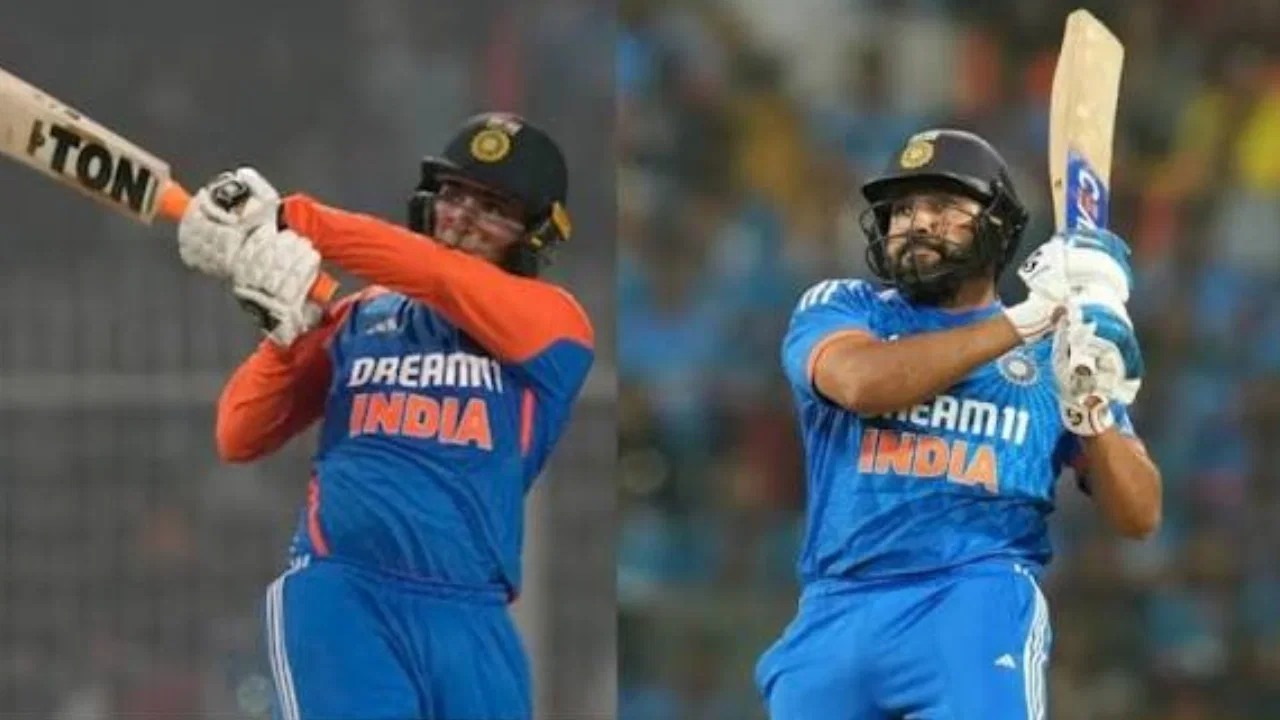
Abhishek Sharma breaks Rohit Sharma’s six-hitting record to go No. 1
Bangladesh spinner Aliss Al Islam reported for suspect bowling action after ODI debut
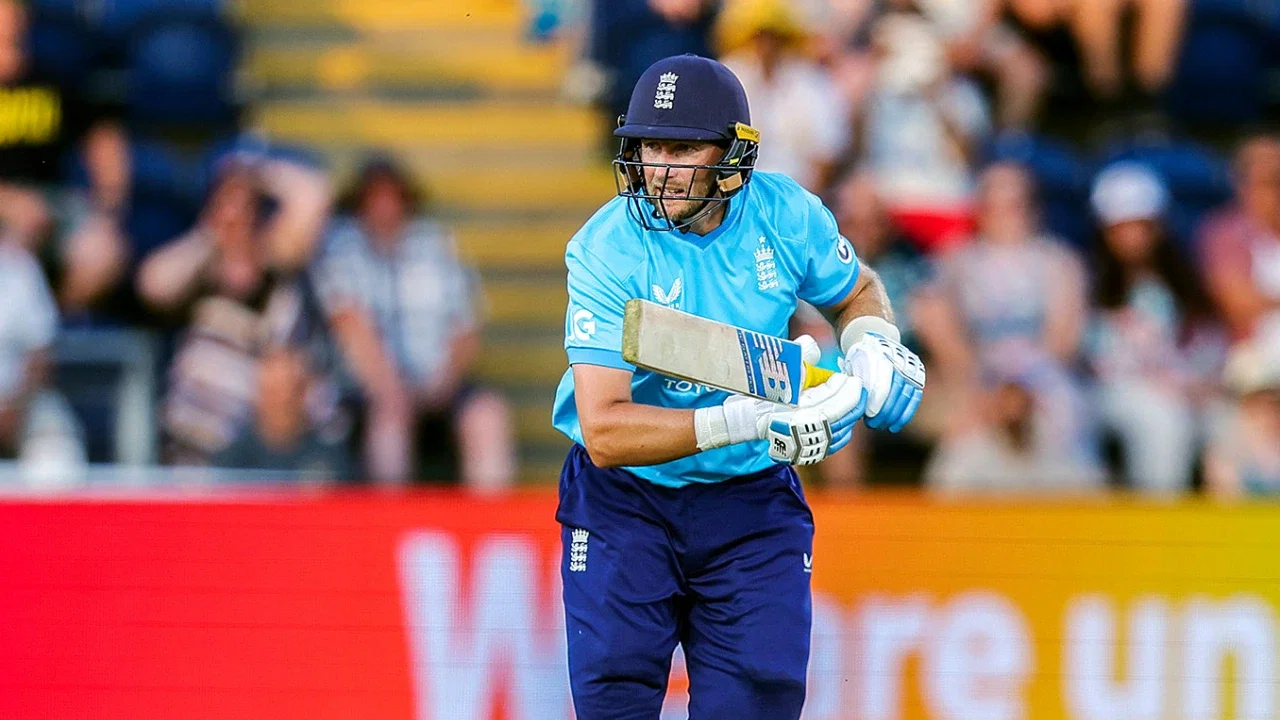
Joe Root scripts history with 8,000 ODI runs, joins elite international club
“Know exactly what they’re doing”: Shreyas Iyer praises India’s batters after record chase against New Zealand
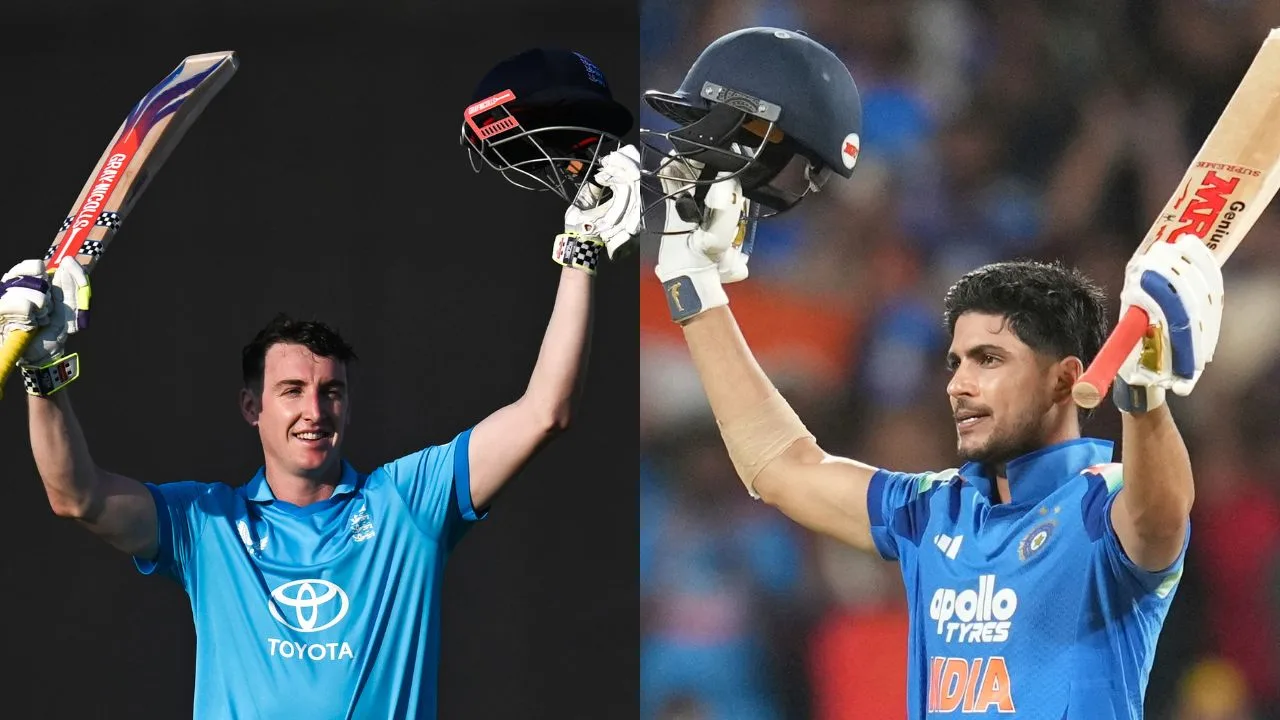
Harry Brook scripts history, surpasses Shubman Gill with record-breaking double century
India’s highest T20I run-chases: Top 5 successful pursuits
“I like batting with him”: Sanju Samson explains his understanding with Abhishek Sharma after winning POTM
India bowlers create unwanted record against New Zealand in 1st T20I
Bhuvneshwar Kumar breaks 89-match streak with first T20I no-ball against New Zealand
Bhuvneshwar Kumar sets world record on India comeback, surpasses Tim Southee
Watch: Abhishek Sharma turns Babar Azam, drops a dolly in 1st T20I vs New Zealand
Full list of Indian cricketers with 100 T20I matches, ft Arshdeep Singh, Virat Kohli