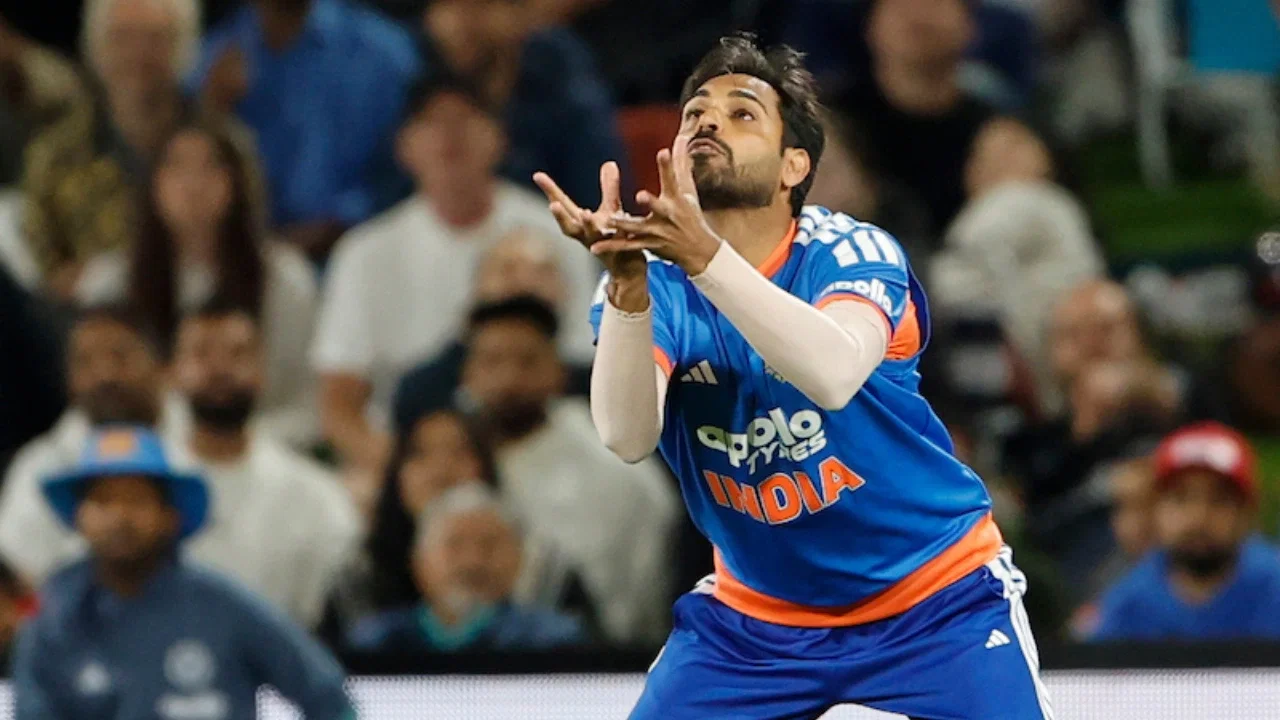
“I like batting with him”: Sanju Samson explains his understanding with Abhishek Sharma after winning POTM
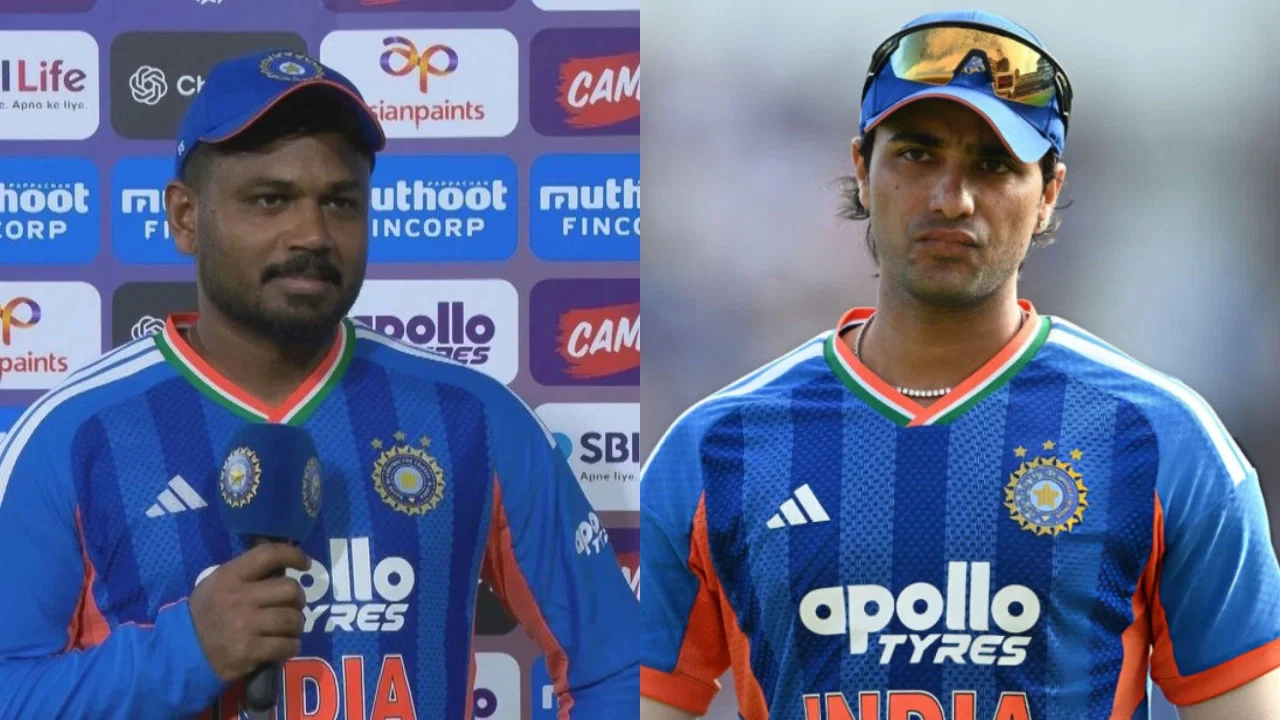
Sanju Samson Leads India’s Record Chase Against New Zealand in First T20I
Sanju Samson produced a commanding innings to earn Player of the Match honours as India chased down New Zealand’s 226-run target in the opening T20I of their bilateral series. His rapid 67 off 33 balls helped turn a daunting total into a successful pursuit, with India’s aggressive start putting the hosts under pressure from the outset.
New Zealand’s 225-run first innings had set up a challenging contest, particularly on a surface where the ball showed movement at times. But Samson and opening partner Abhishek Sharma responded with an attacking partnership that gave India the momentum and confidence required for a high-scoring chase.
Samson and Abhishek Set the Tone
India’s openers made their intentions clear during the powerplay. Samson struck eight fours and four sixes, while Abhishek Sharma supplied further early impetus. Together, they took India to 93 runs inside the first six overs before Abhishek was dismissed—an exceptional start that significantly reduced the pressure of the required run rate.
Speaking after the match in Christchurch, Samson said the pair regularly communicate in the middle, but their approach is ultimately built around watching the ball and playing with freedom. Their conversations help them stay aware of the situation, he explained, while the main priority remains to attack the deliveries they can score from.
“We do have a lot of conversations happening in the middle, but nothing makes sense, actually. We just watch the ball and hit hard,” Samson said. He added that he enjoys batting alongside Abhishek at the top of the order and believes their partnership has been working well.
Positive Intent in a Demanding Run Chase
Chasing 226 requires a careful balance between aggression and control. India’s opening pair chose to put New Zealand’s bowlers on the defensive rather than allow the target to dictate a cautious approach. Their rapid scoring meant India could maintain a strong position even after losing a wicket.
Samson said the pitch was not a straightforward batting paradise. The ball moved in the air, particularly later in the match, but it also came onto the bat well enough for batters to play their shots. He and Abhishek focused on keeping their shape and showing positive intent during the powerplay.
With close to 90 runs on the board after six overs, the opening stand changed the feel of the contest. Samson said the pair began to believe the chase could be completed quickly after their flying start. The innings was a strong example of how an assertive powerplay can reshape a T20 match: a large target remains demanding, but early boundaries can ease the pressure on the batters who follow.
Reading the Pitch From Behind the Stumps
As India’s wicketkeeper, Samson had spent New Zealand’s innings observing how the pitch behaved. That experience gave him useful clues, but he noted that conditions changed between innings, meaning he had to adjust once he began batting.
Samson said the ball had appeared to stop slightly after pitching during the first innings. In the second half, however, heavy dew affected the outfield and helped the ball travel more freely. The contrast underlined how quickly conditions can shift in a night T20I, especially when moisture becomes a factor.
Wicketkeeping can offer batters a close-up view of a surface, the pace of the pitch and the way the ball behaves. But, as Samson’s comments suggest, those observations are only a starting point. A batter still needs to reassess the conditions at the crease and adapt to what is happening in the moment.
What the Result Means for India
India’s win gives the team an early advantage in the series and offers an encouraging sign about the effectiveness of its top-order approach. Samson’s innings combined clean hitting with awareness of the chase, while the partnership with Abhishek provided the platform needed to pursue a demanding total.
The match also offers a useful early prediction for the contests ahead: if India’s openers can continue to score quickly without losing their shape, opposing teams may find it difficult to defend even substantial totals. However, the conditions in New Zealand can vary, and movement with the new ball may pose a different challenge in future matches.
For New Zealand, the defeat will prompt questions about how to contain an aggressive opening pair and protect a large score. Their 225-run total was formidable, but India’s powerplay surge prevented the bowlers from settling into a rhythm. Controlling the first six overs could therefore be a key focus for the hosts as the series continues.
A Statement Performance from Samson
Samson’s 67 was more than a quick-scoring contribution; it was the innings that gave India’s chase its shape. His combination of boundaries, sixes and attacking intent helped make the target feel achievable, while his partnership with Abhishek showed the value of clear communication and shared purpose at the top of the order.
India’s successful pursuit of 226 sets an energetic tone for the series. Samson’s post-match reflections also revealed the thinking behind the performance: stay positive, read the conditions as they change and keep the required rate in view without becoming distracted by the size of the target. If that approach continues, India’s top order could remain one of the defining stories of the T20I contests ahead.
Latest News
Watch: Nitish Kumar Reddy suffers brain-fade, embarrasses himself with catch celebration off free-hit vs NZ
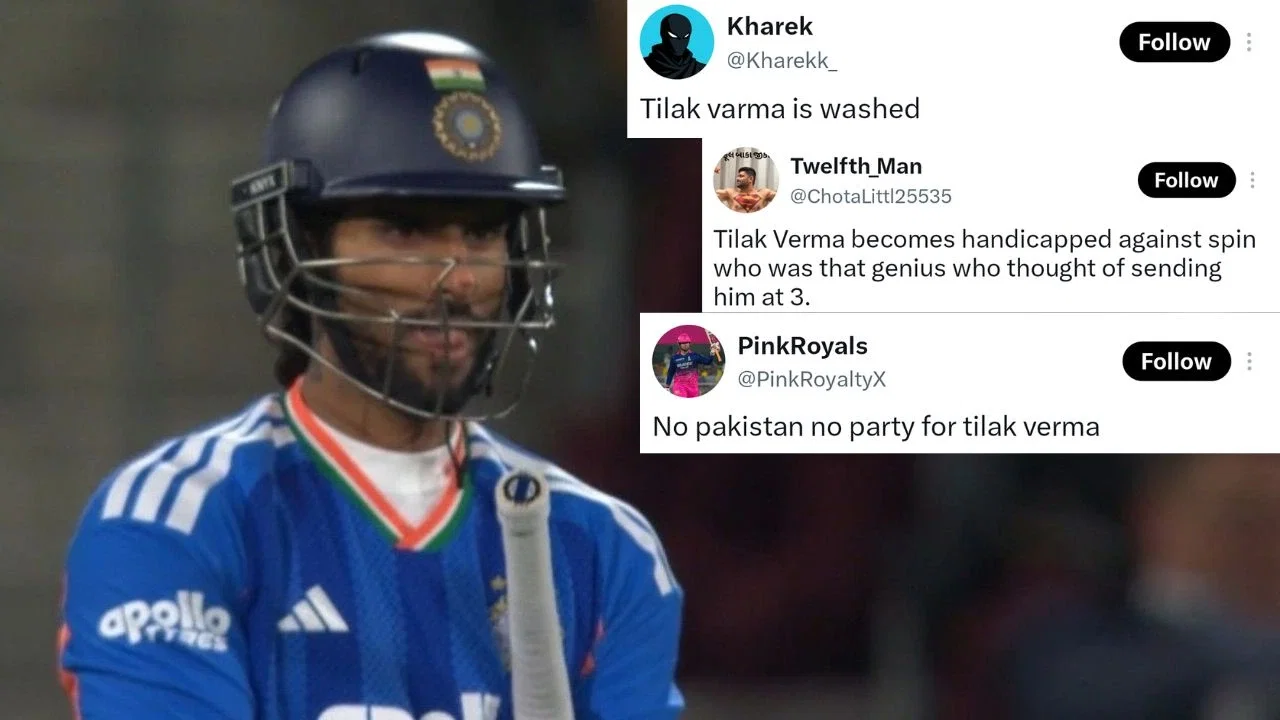
Tilak Varma labelled “fraud” as angry fans bash him for “one of the worst T20 knocks” in 1st NZ T20I
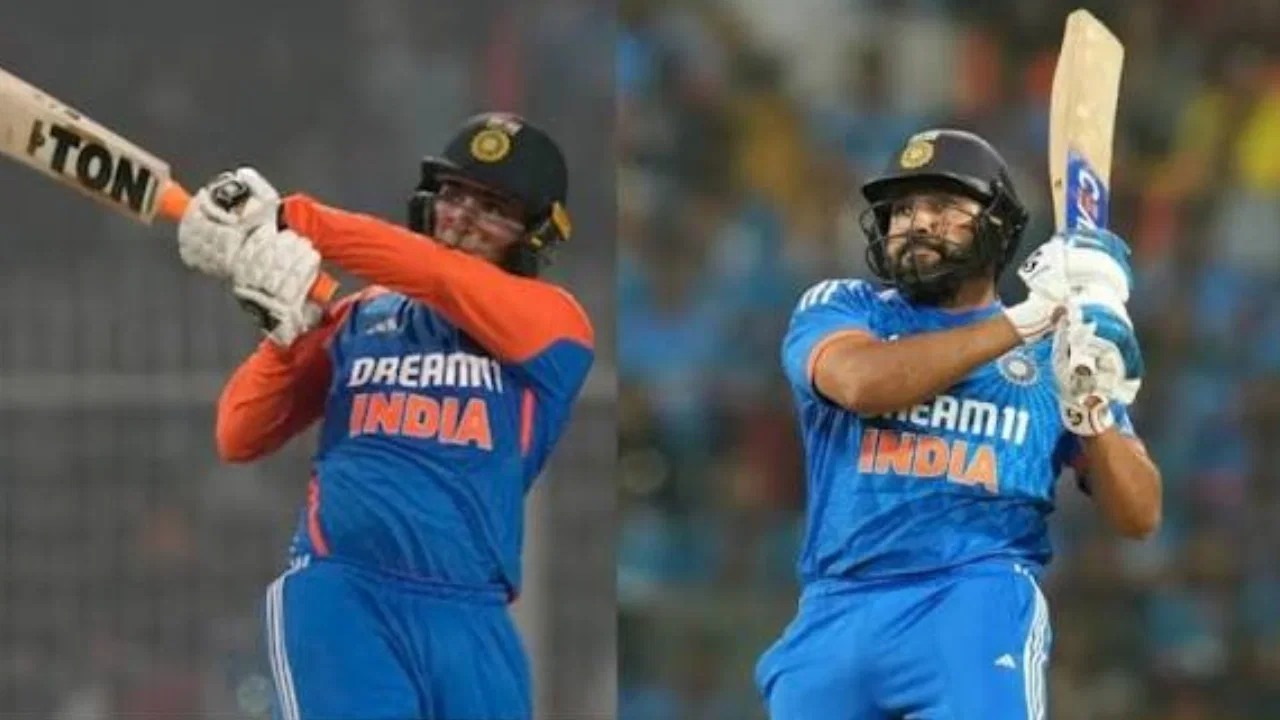
Abhishek Sharma breaks Rohit Sharma’s six-hitting record to go No. 1
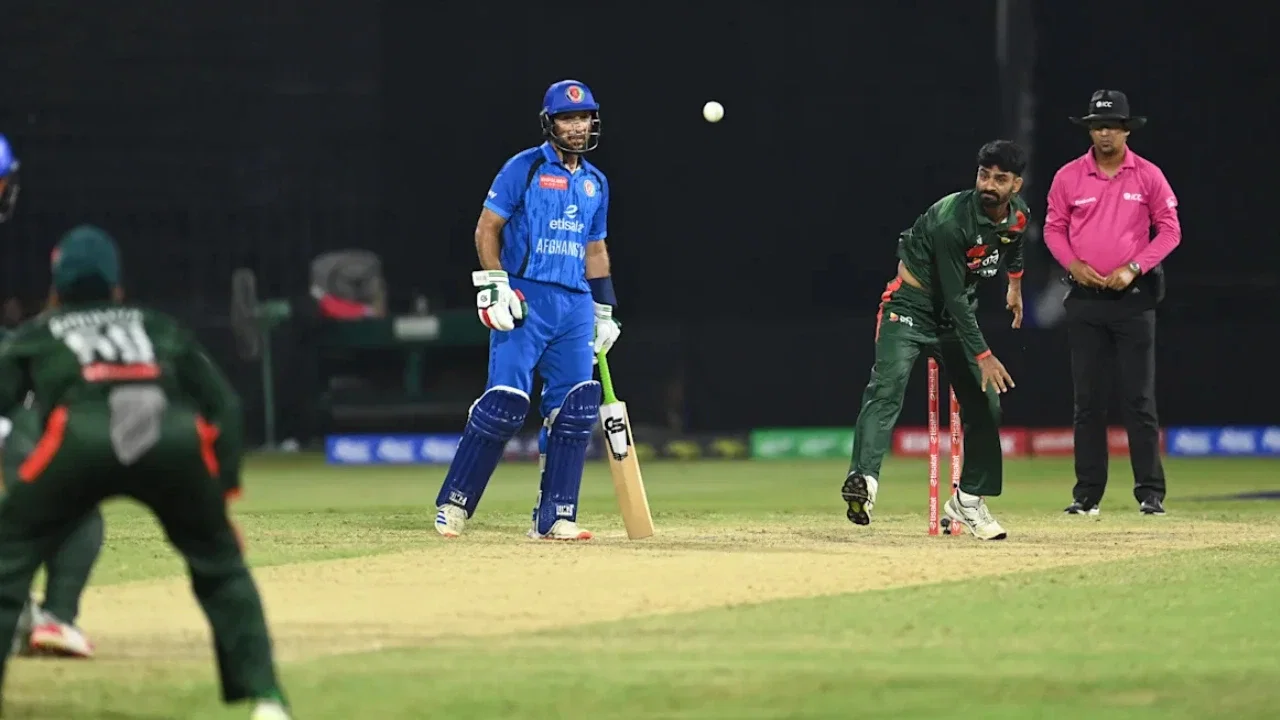
Bangladesh spinner Aliss Al Islam reported for suspect bowling action after ODI debut
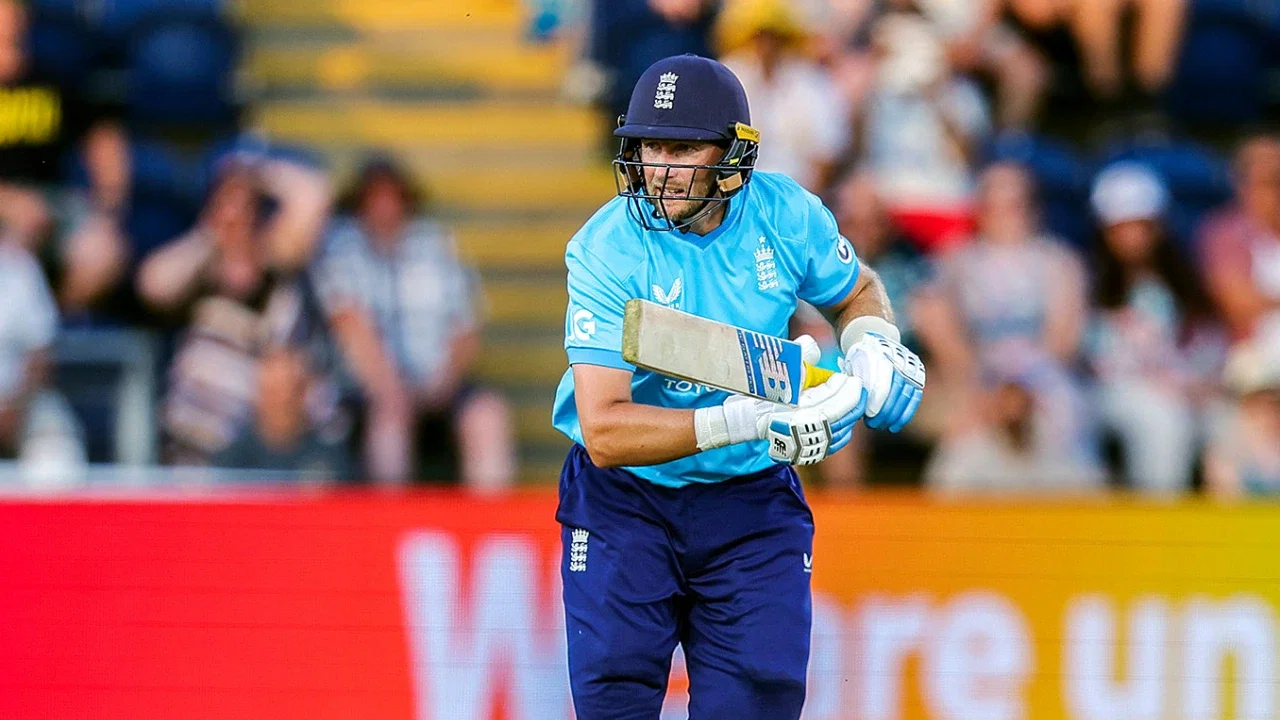
Joe Root scripts history with 8,000 ODI runs, joins elite international club
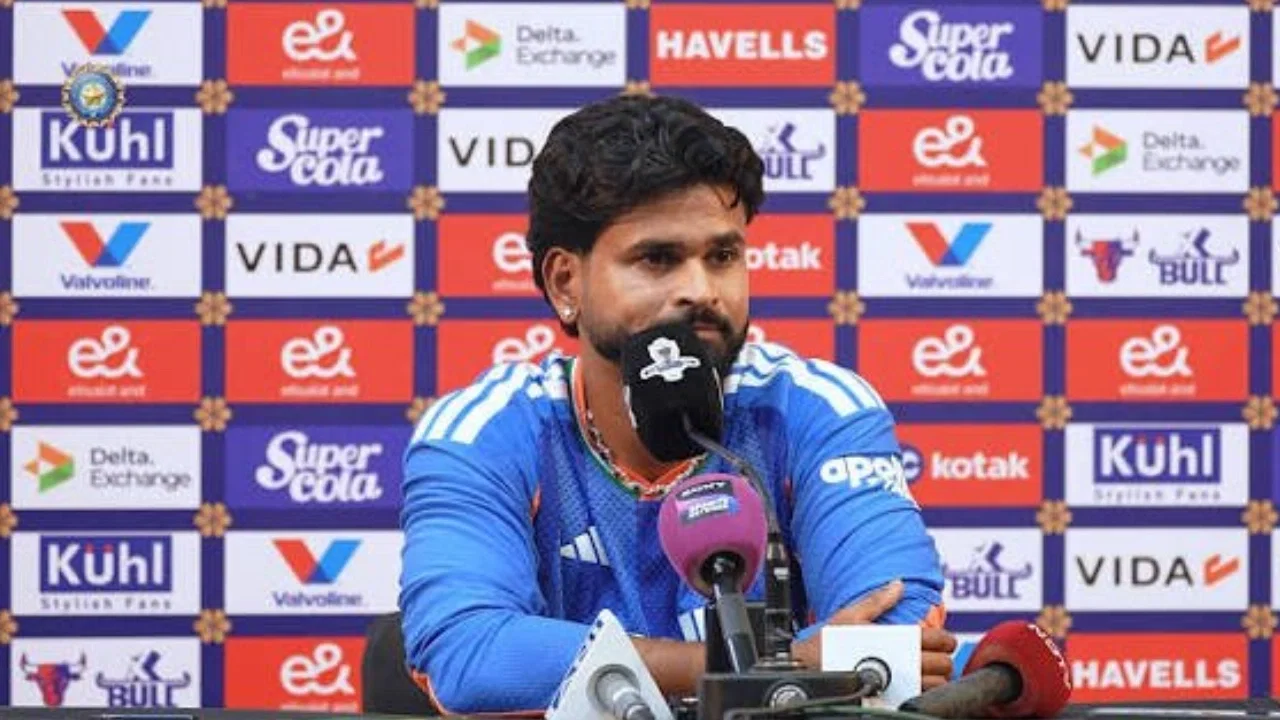
“Know exactly what they’re doing”: Shreyas Iyer praises India’s batters after record chase against New Zealand
Harry Brook scripts history, surpasses Shubman Gill with record-breaking double century
India’s highest T20I run-chases: Top 5 successful pursuits
“I like batting with him”: Sanju Samson explains his understanding with Abhishek Sharma after winning POTM
India bowlers create unwanted record against New Zealand in 1st T20I
Bhuvneshwar Kumar breaks 89-match streak with first T20I no-ball against New Zealand
Bhuvneshwar Kumar sets world record on India comeback, surpasses Tim Southee

Watch: Abhishek Sharma turns Babar Azam, drops a dolly in 1st T20I vs New Zealand
Full list of Indian cricketers with 100 T20I matches, ft Arshdeep Singh, Virat Kohli