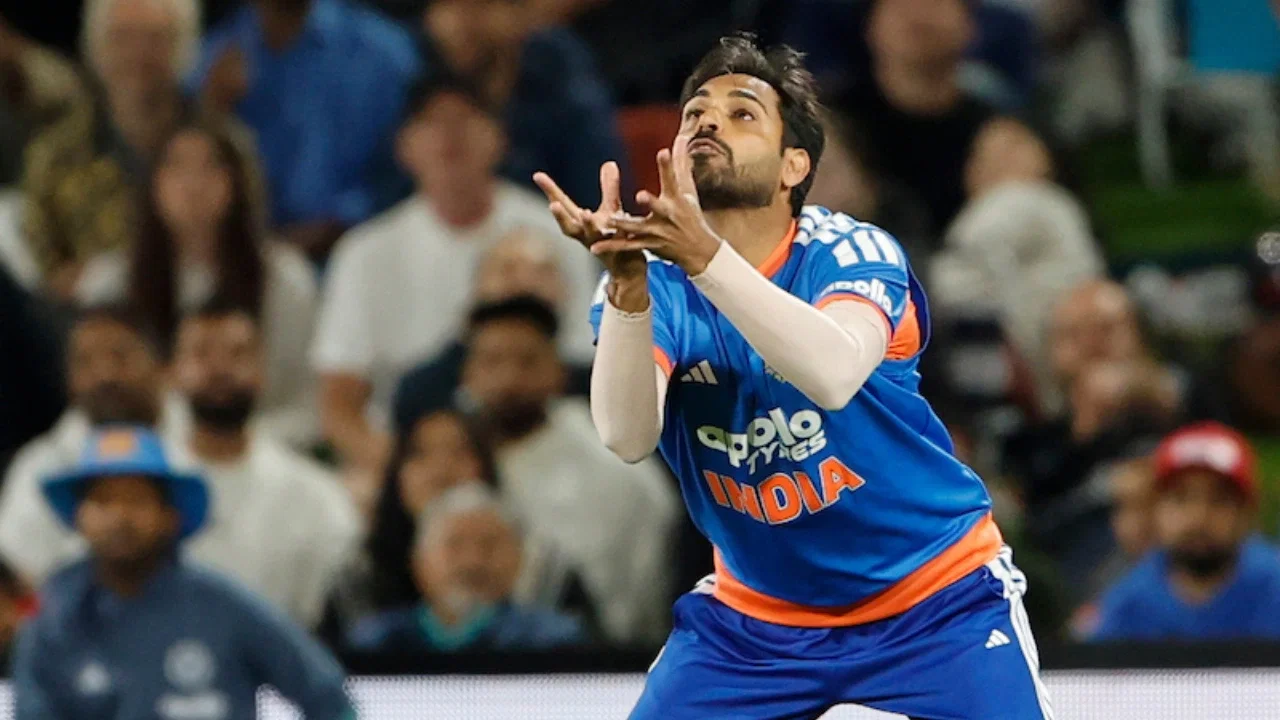
Tilak Varma labelled “fraud” as angry fans bash him for “one of the worst T20 knocks” in 1st NZ T20I
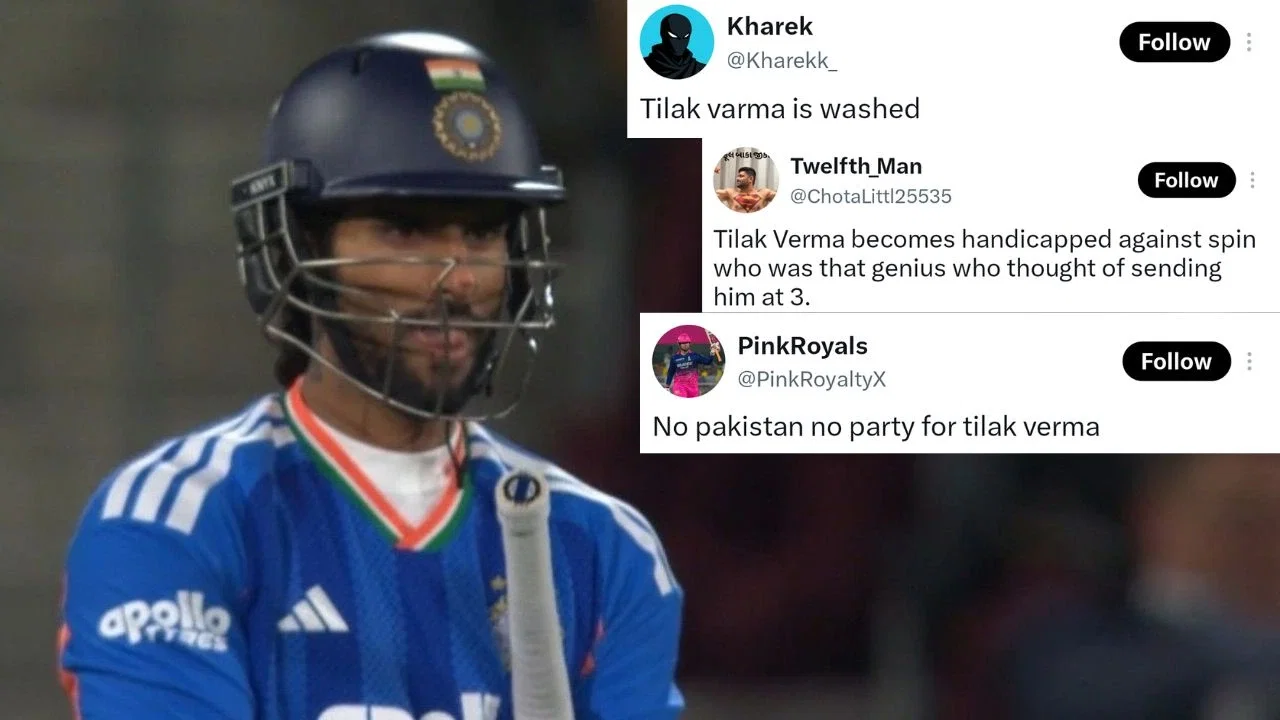
Tilak Varma’s No. 3 Promotion Backfires as India Face a Huge T20I Chase
India’s decision to promote vice-captain Tilak Varma to No. 3 became a major talking point in the first T20I against New Zealand at Hagley Oval, Christchurch. Sent in early during a daunting chase, Varma struggled to find his timing, scored only six runs from 11 deliveries and was dismissed without hitting a boundary. His slow start added pressure in the middle overs and prompted questions about whether India had disrupted a batting role that had previously suited him.
The match offered an early test of India’s flexibility and decision-making in a five-game series. New Zealand had set a target of 226 after a powerful batting display, while India began their pursuit at a remarkable pace. But after an explosive opening partnership, wickets fell in quick succession, leaving the visitors with little margin for error. Varma’s brief innings was not the sole reason for the pressure, but it became a focal point for fans debating the team’s batting order.
Why India promoted Tilak Varma
Varma has often been used in the middle or lower-middle order, where he can assess the situation before accelerating later in the innings. Against New Zealand, however, he came in at No. 3 after Abhishek Sharma was dismissed by Michael Bracewell. The promotion appeared to be an attempt to maintain a left-right combination and give Varma more time to shape the chase.
That plan did not deliver the immediate momentum India needed. Varma found it difficult to rotate the strike, and a succession of dot balls allowed New Zealand’s bowlers to build pressure. In a chase requiring more than 11 runs an over, every quiet passage increased the demand on the batters still to come. Varma eventually tried to force the pace, but he was dismissed for six off 11 balls before he could make an impact.
His innings also came during a delicate phase. Sanju Samson had started confidently, but the pressure of a rising required rate can make even well-set batters take risks. Some supporters blamed Varma’s lack of scoring for contributing to Samson’s dismissal, though a cricket match rarely turns on one passage alone. India’s challenge was broader: after losing an early wicket, they needed a batter to keep the run rate moving without exposing the middle order to a collapse.
New Zealand’s 225 sets up a demanding contest
New Zealand finished on 225 for four, powered by Glenn Phillips, who struck a commanding 82. The hosts also received useful contributions from their opening pair: Finn Allen made 45, while Tim Seifert added 24. Bevon Jacobs provided a late burst with 31, helping New Zealand maintain their scoring rate through the final overs.
The total placed India under immediate pressure, but the visitors responded with a spectacular start. Samson and Abhishek Sharma attacked in the powerplay, putting together 93 runs before the opening stand was broken. Abhishek scored 29 from 12 balls, including three sixes and two fours, while Samson continued the assault with 67 from 33 deliveries. His innings featured four sixes and eight fours, giving India a genuine chance of staying in the contest.
New Zealand’s bowlers then changed the momentum by taking three wickets for eight runs. The sudden cluster of dismissals underlined the risk of an aggressive chase: a strong start can quickly lose its value if wickets fall together. Axar Patel offered a short but useful counterattack, scoring 24 from 14 balls, while Shreyas Iyer and Naman Dhir were tasked with keeping the pursuit alive late in the innings.
Batting-order debate grows as fans question the move
Varma’s promotion triggered strong reactions online, with many fans asking why India changed his position when he had previously been effective lower down the order. Others argued that Ishan Kishan could have been sent in instead, believing his attacking approach might have preserved the early momentum. The discussion reflected a familiar tension in T20 cricket: should teams stick with established roles, or adjust the order to suit a particular match situation?
Social media comments also included harsh personal criticism of Varma. Such reactions are common after a high-profile failure, but a single innings is not enough to define a player’s ability. Varma has been valued for his adaptability and left-handed batting, and the management’s decision may have been intended to give him a more influential role rather than signal a loss of confidence in his usual position.
The more useful question for India is whether the promotion fits the team’s overall strategy. A No. 3 batter in a steep chase may need to attack immediately, particularly after an explosive powerplay. If Varma is more comfortable entering later, India may need to clarify his role—or provide him with a plan for handling spin and maintaining strike rotation when boundaries are difficult to find.
What the first T20I could mean for the series
The opening match is an important early indicator, but it should not be treated as a verdict on the series. India have been in strong T20I form since the England series and, under captain Shreyas Iyer, have not lost a T20I series. This tour presents a different challenge, however: India are still seeking their first T20I win in the SENA countries under Iyer’s captaincy, making the five-match series a significant test away from home.
Conditions in New Zealand can reward disciplined bowling and sharp fielding, while Hagley Oval’s dimensions and surface can shape how batters approach the powerplay and middle overs. For India, the key lessons are likely to involve more than Varma’s position. They must find a way to sustain pressure after a fast start, prevent clusters of wickets and ensure that each batter knows the role expected of them.
Any prediction about the remaining matches will depend on how quickly India respond. If the team retains its aggressive intent while improving its middle-over control, it can remain competitive against New Zealand. The management’s next selection and batting-order choices will therefore attract close attention. Varma, meanwhile, has an opportunity to answer criticism with a stronger performance—whether he returns to his familiar role or is trusted again at No. 3.
Latest News
Watch: Nitish Kumar Reddy suffers brain-fade, embarrasses himself with catch celebration off free-hit vs NZ
Tilak Varma labelled “fraud” as angry fans bash him for “one of the worst T20 knocks” in 1st NZ T20I
Abhishek Sharma breaks Rohit Sharma’s six-hitting record to go No. 1
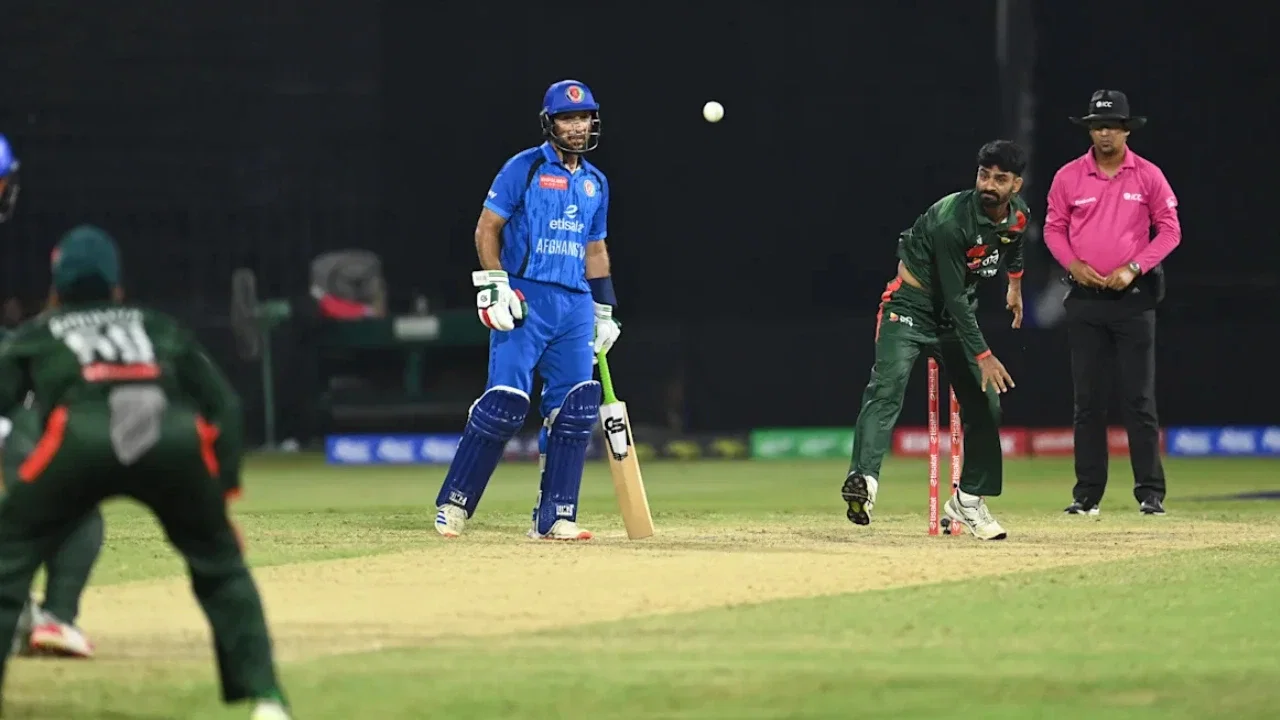
Bangladesh spinner Aliss Al Islam reported for suspect bowling action after ODI debut
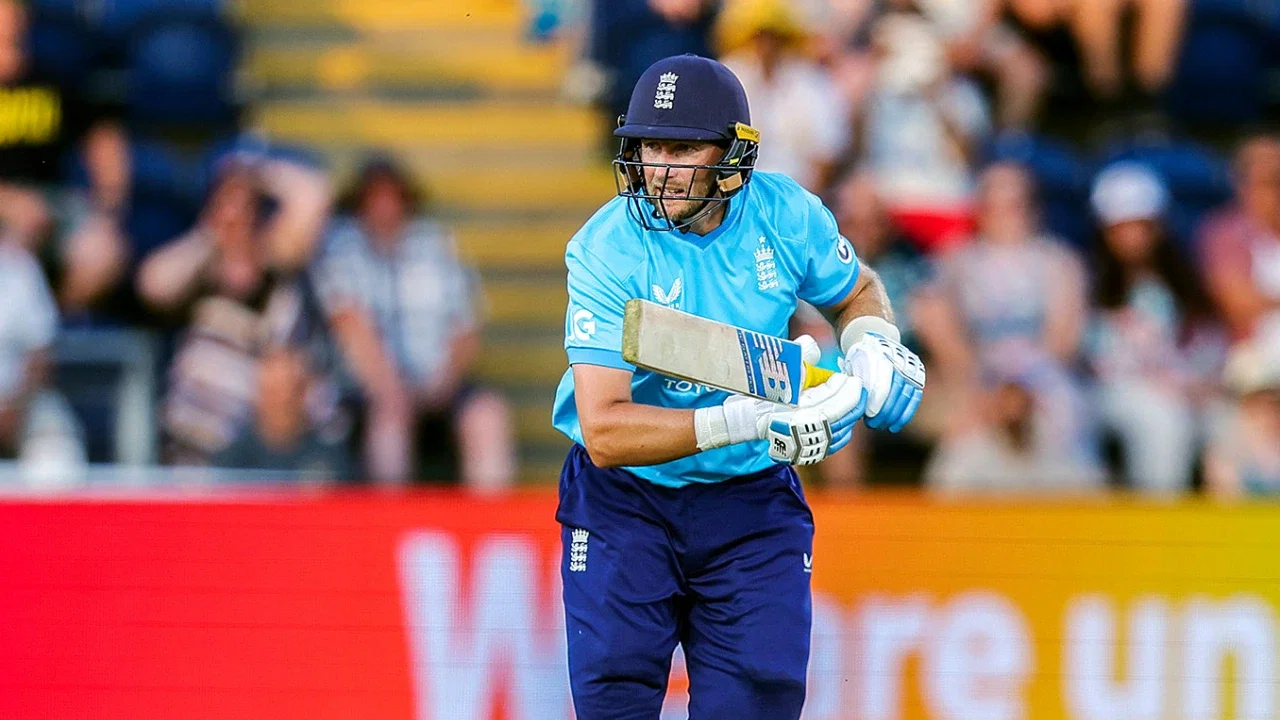
Joe Root scripts history with 8,000 ODI runs, joins elite international club
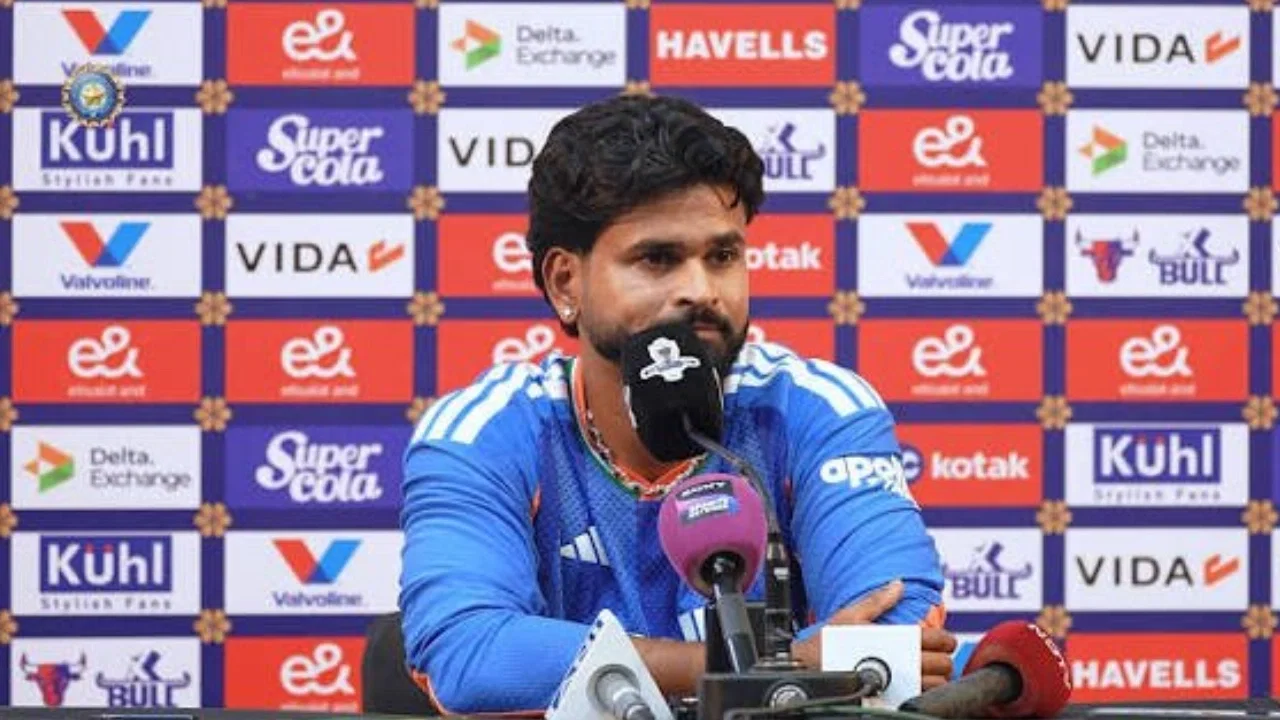
“Know exactly what they’re doing”: Shreyas Iyer praises India’s batters after record chase against New Zealand
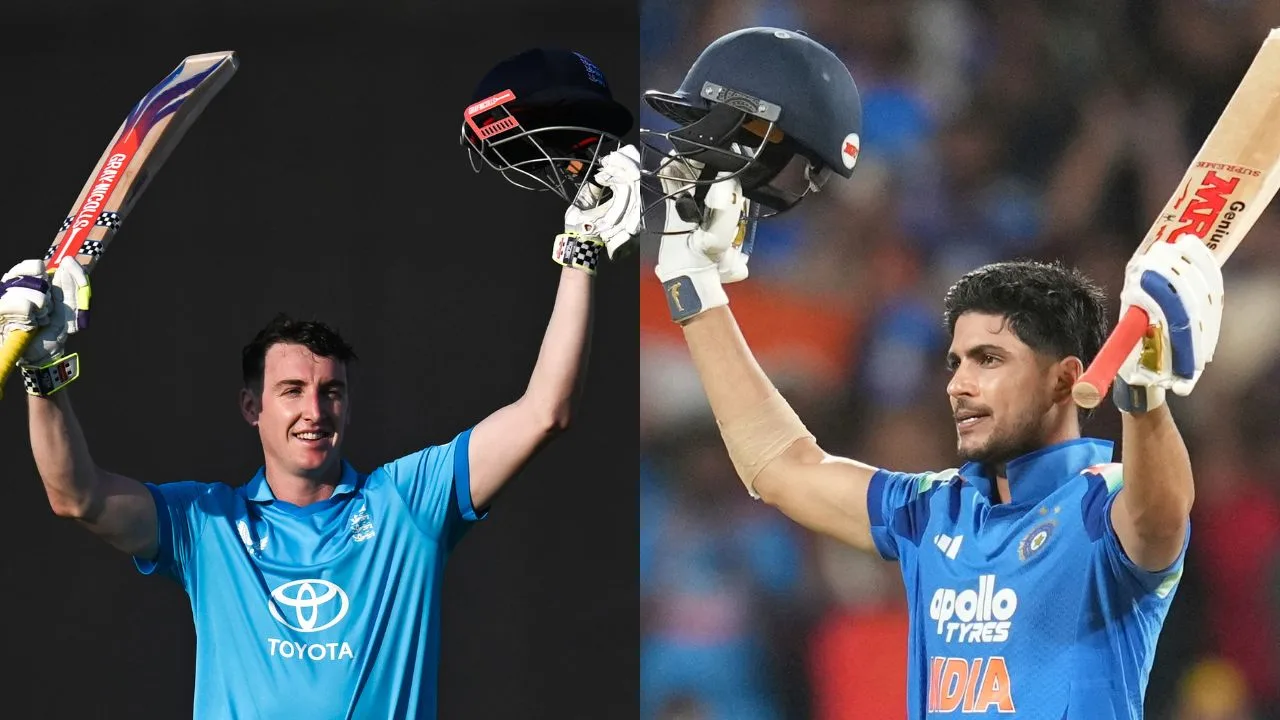
Harry Brook scripts history, surpasses Shubman Gill with record-breaking double century
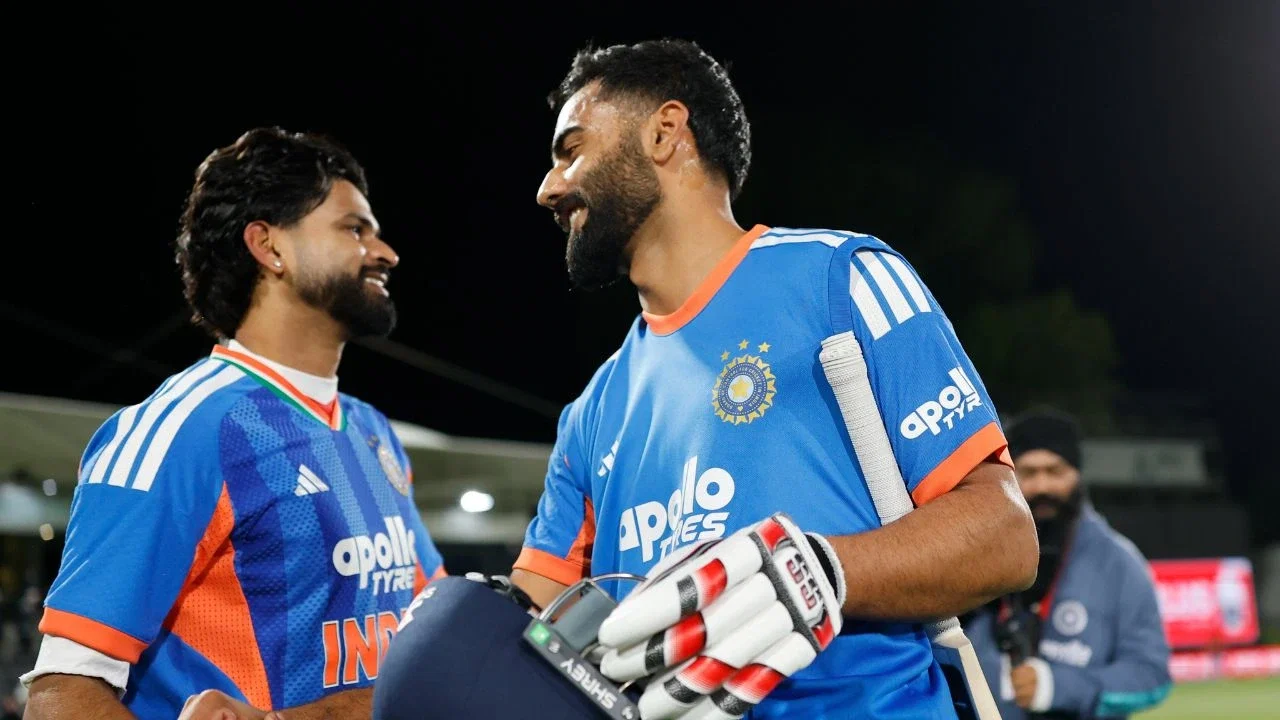
India’s highest T20I run-chases: Top 5 successful pursuits
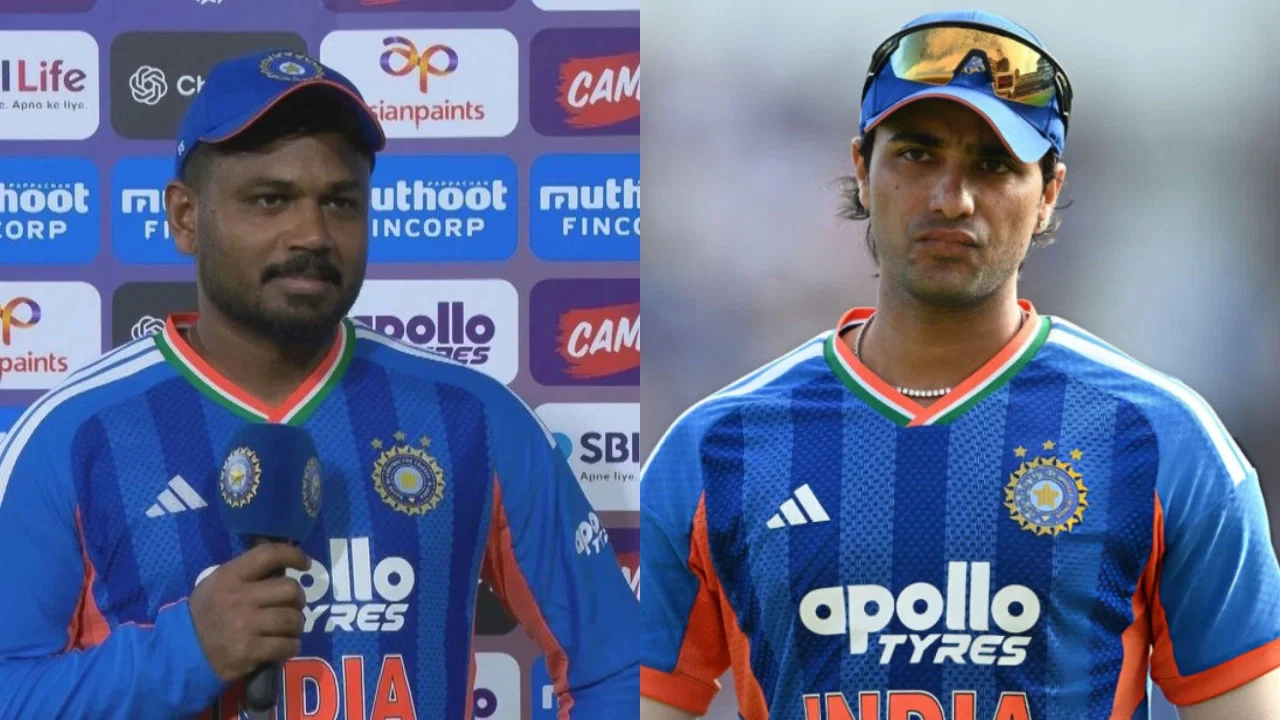
“I like batting with him”: Sanju Samson explains his understanding with Abhishek Sharma after winning POTM
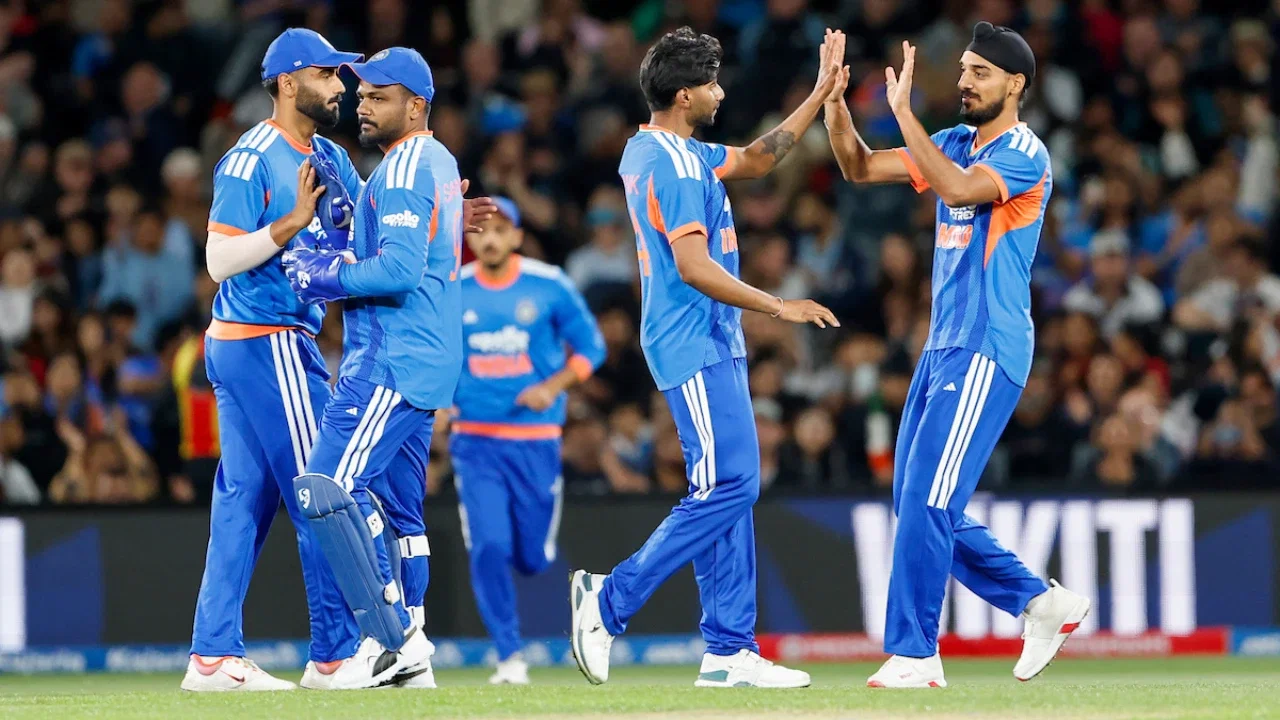
India bowlers create unwanted record against New Zealand in 1st T20I
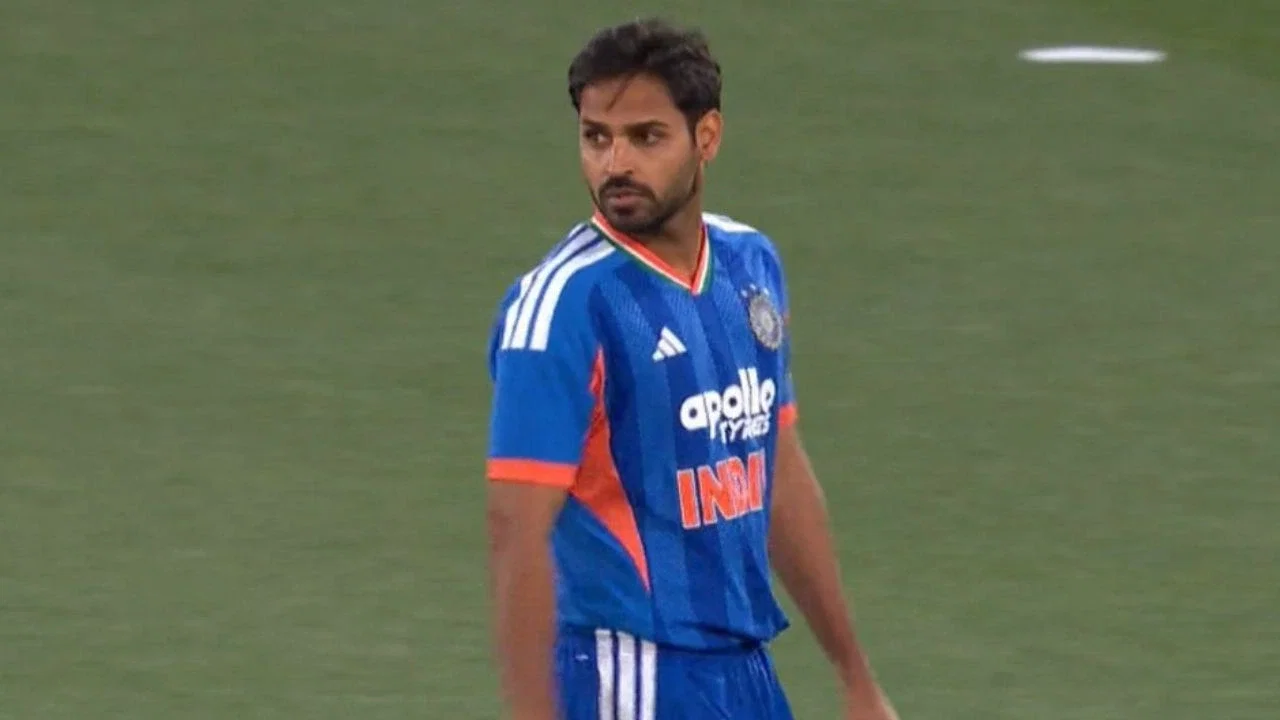
Bhuvneshwar Kumar breaks 89-match streak with first T20I no-ball against New Zealand
Bhuvneshwar Kumar sets world record on India comeback, surpasses Tim Southee
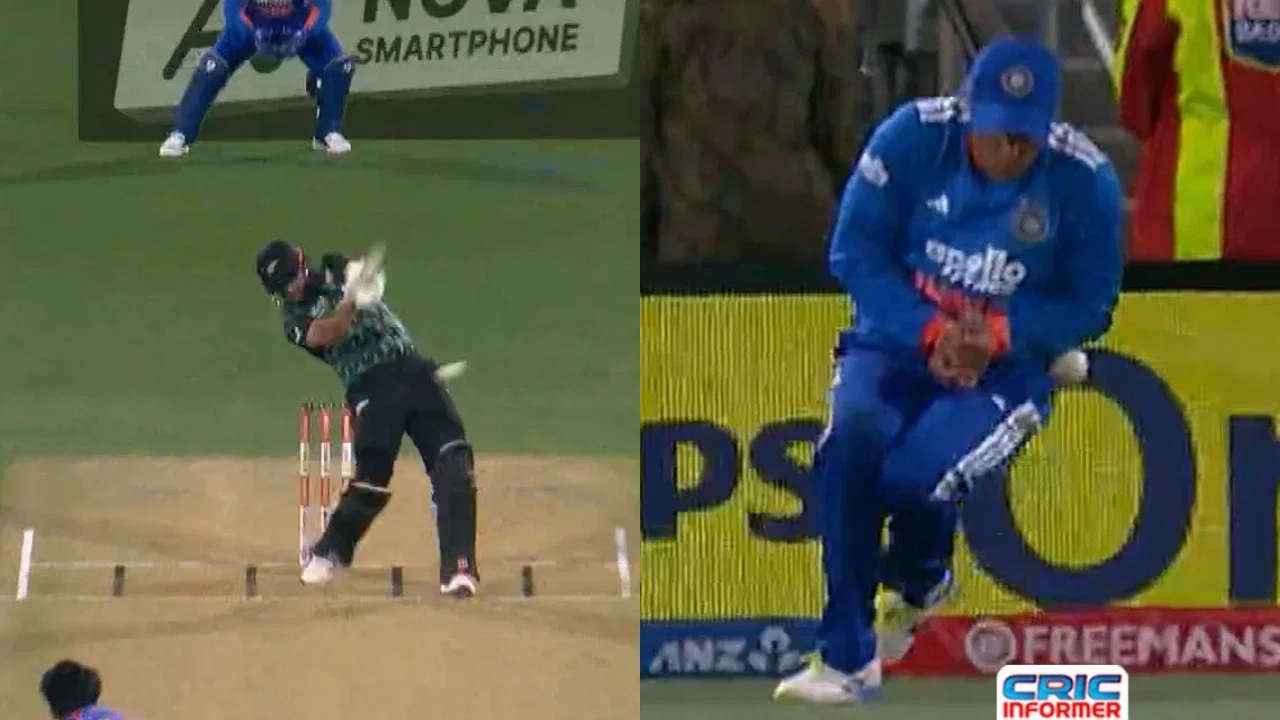
Watch: Abhishek Sharma turns Babar Azam, drops a dolly in 1st T20I vs New Zealand
Full list of Indian cricketers with 100 T20I matches, ft Arshdeep Singh, Virat Kohli