Harry Brook scripts history, surpasses Shubman Gill with record-breaking double century
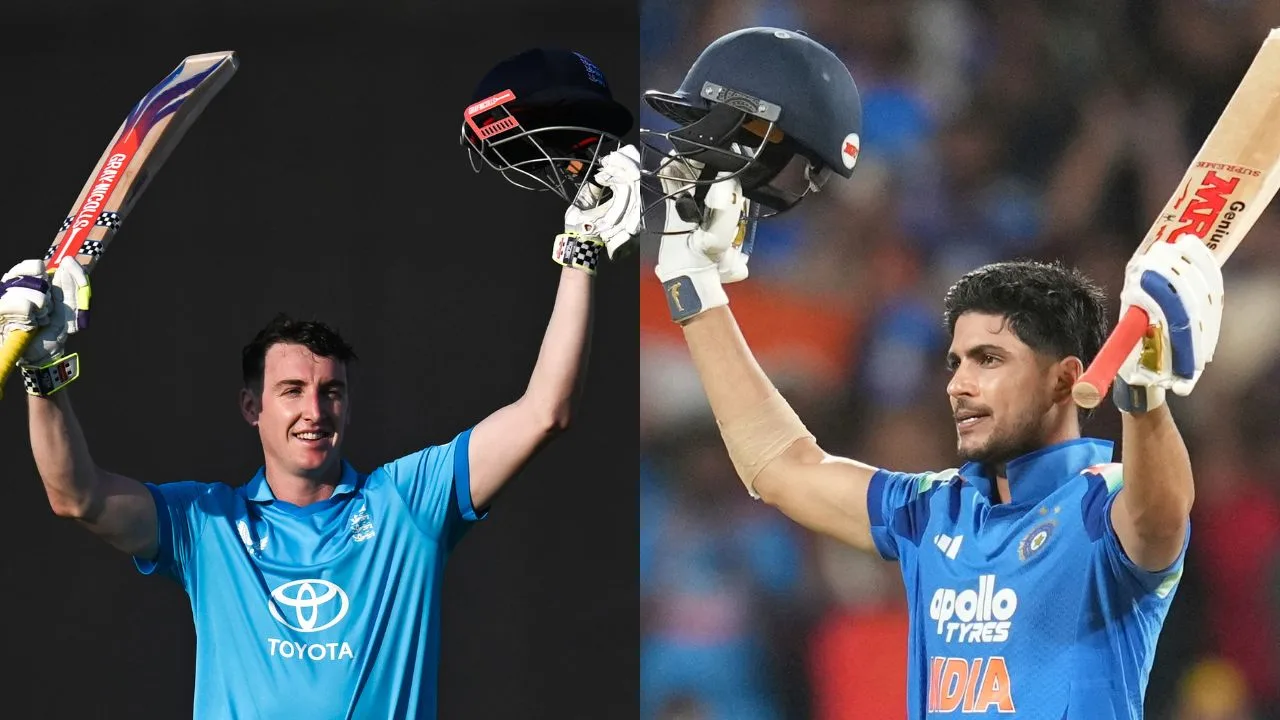
Harry Brook’s Record-Breaking Double Century Powers England to 429 Against Sri Lanka
England captain Harry Brook produced a remarkable display of power hitting in the third match of the Pakistan tri-series, becoming the first English batter to score a double century in men’s One-Day International cricket. His historic innings came against Sri Lanka at Rawalpindi Cricket Stadium, where Brook’s unbeaten 202 helped England pile up a formidable total of 429.
The performance was more than a personal milestone. After losing their opening match to hosts Pakistan, England needed a strong response to keep their campaign on track. Brook delivered it in emphatic fashion, combining aggressive stroke play with the kind of sustained control that can turn a competitive ODI innings into a record-setting one.
Brook Sets a New Benchmark for Fastest ODI Double Century
Brook reached his double hundred in just 114 deliveries, setting a new record for the fastest men’s ODI double century by balls faced. He moved past the mark recently established by India captain Shubman Gill, who had reached 200 in 116 balls. Brook’s achievement places him at the top of a remarkable list of rapid double centuries in the format.
Before reaching the landmark, the England skipper had already surpassed Ben Stokes’ previous record for the highest individual ODI score by an English batter: 182. Brook kept attacking after overtaking that mark, eventually finishing on 202 from 116 balls. His innings included 21 fours and 10 sixes, putting constant pressure on the Sri Lankan bowlers and giving England a powerful platform for the remainder of the match.
The fastest ODI double centuries by balls faced include:
- 114 balls: Harry Brook against Sri Lanka
- 117 balls: Shubman Gill against the West Indies
- 126 balls: Ishan Kishan against Bangladesh
- 128 balls: Glenn Maxwell against Afghanistan
- 136 balls: Pathum Nissanka against Afghanistan
- 138 balls: Chris Gayle against Zimbabwe
- 140 balls: Virender Sehwag against the West Indies
The list reflects how modern ODI cricket has evolved. Batters are increasingly willing to attack for long periods, but a double century still demands exceptional concentration, fitness and adaptability. Brook’s innings stood out not only for its pace, but also for his ability to maintain his scoring rate deep into the innings.
A Rare Achievement Across All Three Formats
Brook has also joined an exclusive group of international cricketers to have scored a century in T20 Internationals, a double century in ODIs and a triple century in Test cricket. The only other player to have completed that combination is former West Indies captain Chris Gayle, widely known as the “Universe Boss.”
Brook’s Test triple century came at Rawalpindi, the same venue where he now made his ODI history. The ground has therefore become a significant setting in his international career, hosting two of his most extraordinary batting achievements. His success across formats underlines his versatility: he can build an innings in longer cricket, accelerate in one-day matches and make an immediate impact in T20s.
The England batter has been in strong form throughout the year, averaging 50.1 and scoring 1,815 runs across formats, according to the figures cited during the series. As vice-captain of England’s Test side and a central figure in its batting line-up, Brook’s growing influence is becoming increasingly difficult to overlook. His performances will also attract attention as England look ahead to the 2027 ODI World Cup.
Root and Banton Add Support as England Reach 429
Brook was the headline act, but England’s total was built with useful contributions from the rest of the top order. Joe Root scored 69, providing composure and helping England maintain momentum, while Tom Banton added 50. Their half-centuries ensured Brook was not left to carry the innings alone and gave the team valuable support during a high-scoring batting display.
England’s final total of 429 set Sri Lanka a target of 430 to win. That is a demanding chase in any ODI, particularly against an attack that can use scoreboard pressure to force risks. Even so, Rawalpindi is known for offering conditions that can favour batters, so England’s bowlers still needed to deliver disciplined spells, limit boundaries and take early wickets.
What Brook’s Innings Means for England
England’s recent white-ball results have been closely watched after disappointing campaigns in major ODI tournaments. The team had shown signs of renewed confidence under Brook, including a 2–1 series victory over Sri Lanka at home, but the defeat to Pakistan in the tri-series opener made a response essential. Brook’s innings gave England exactly the kind of statement performance the side needed.
Beyond the immediate match, the knock offers a compelling prediction for England’s ODI prospects: if Brook can sustain this form and the team continues to produce support from its middle order, England could become a far more dangerous opponent in the build-up to the next World Cup. One innings cannot resolve every question about consistency, but it provides a powerful indication of the team’s potential when its captain is in full flow.
For Sri Lanka, the match became a test of resilience as much as bowling skill. Brook’s assault and England’s imposing total left little room for error, making a strong start to the chase essential. Whatever the result, the Rawalpindi contest will be remembered for Brook’s historic 202, a landmark innings that rewrote England’s ODI record books and added another remarkable chapter to his rapidly developing international career.
Latest News

Watch: Nitish Kumar Reddy suffers brain-fade, embarrasses himself with catch celebration off free-hit vs NZ
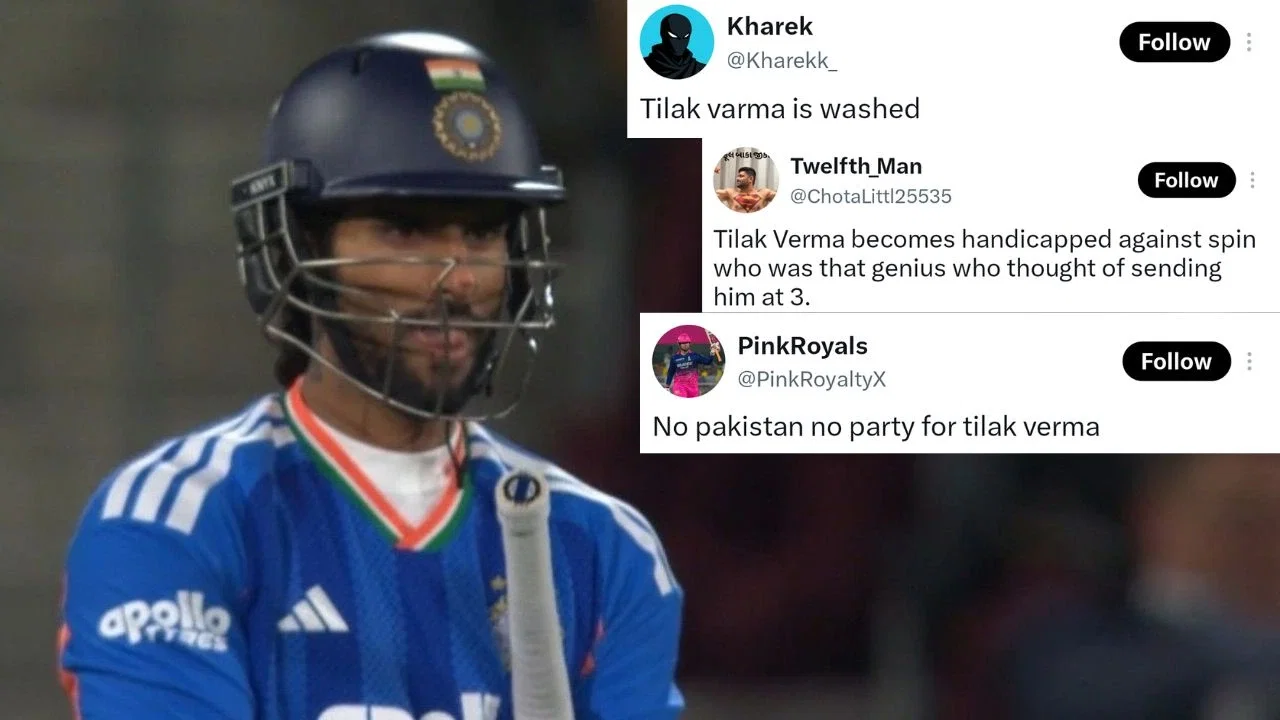
Tilak Varma labelled “fraud” as angry fans bash him for “one of the worst T20 knocks” in 1st NZ T20I
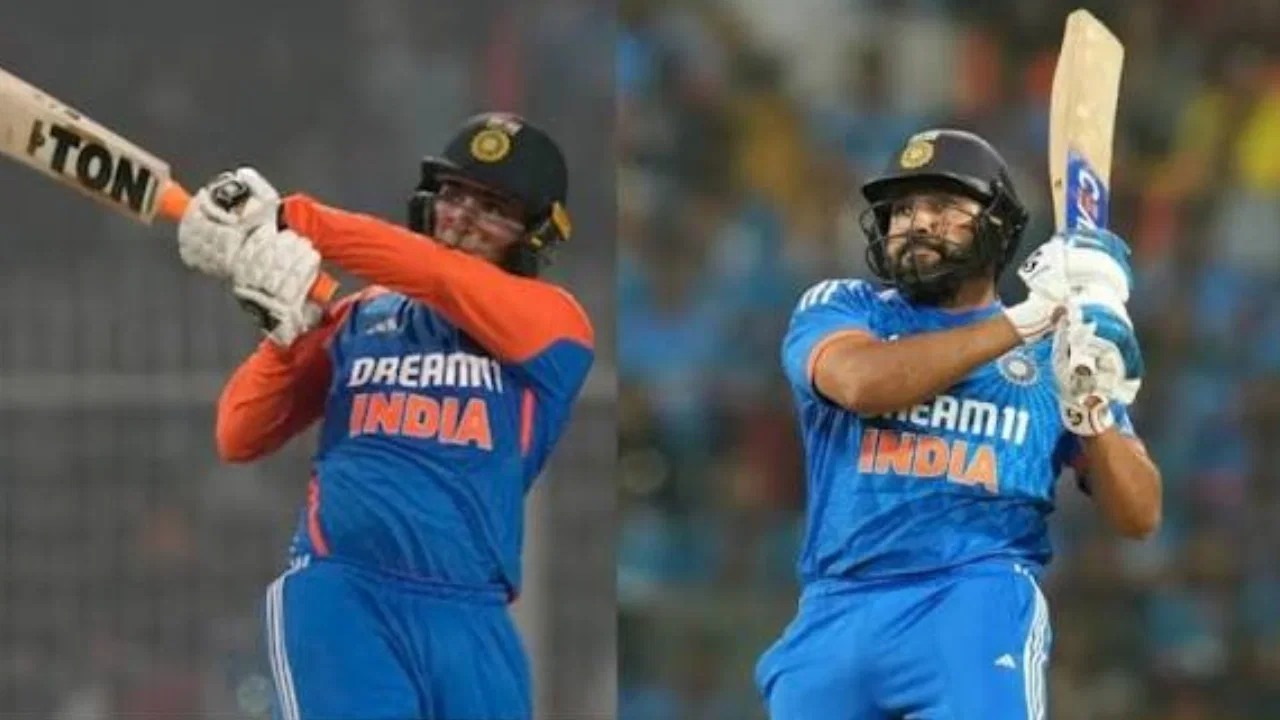
Abhishek Sharma breaks Rohit Sharma’s six-hitting record to go No. 1
Bangladesh spinner Aliss Al Islam reported for suspect bowling action after ODI debut
Joe Root scripts history with 8,000 ODI runs, joins elite international club
“Know exactly what they’re doing”: Shreyas Iyer praises India’s batters after record chase against New Zealand
Harry Brook scripts history, surpasses Shubman Gill with record-breaking double century
India’s highest T20I run-chases: Top 5 successful pursuits
“I like batting with him”: Sanju Samson explains his understanding with Abhishek Sharma after winning POTM
India bowlers create unwanted record against New Zealand in 1st T20I
Bhuvneshwar Kumar breaks 89-match streak with first T20I no-ball against New Zealand
Bhuvneshwar Kumar sets world record on India comeback, surpasses Tim Southee
Watch: Abhishek Sharma turns Babar Azam, drops a dolly in 1st T20I vs New Zealand
Full list of Indian cricketers with 100 T20I matches, ft Arshdeep Singh, Virat Kohli