Joe Root scripts history with 8,000 ODI runs, joins elite international club
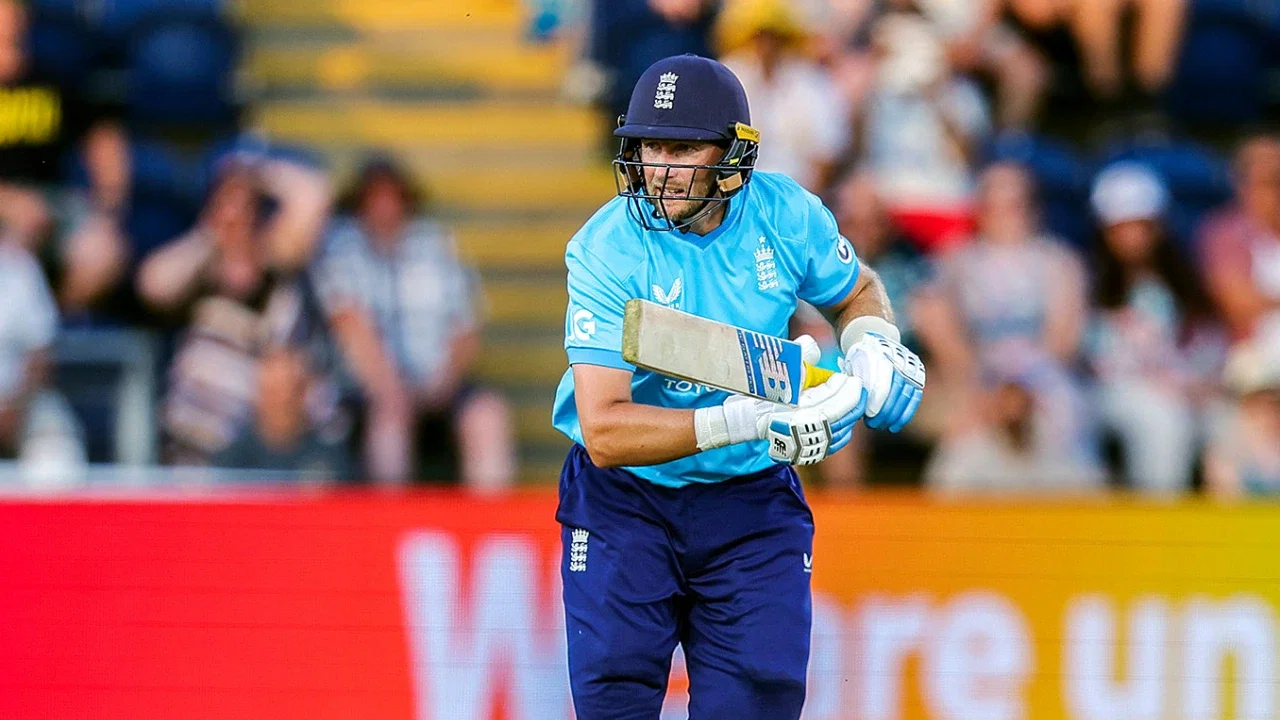
Joe Root Makes ODI History as England’s First Batter to Reach 8,000 Runs
Joe Root has added another landmark to an already remarkable international career, becoming the first England batter to score 8,000 runs in One Day International cricket. The milestone came during the third match of the ODI tri-series against Sri Lanka at Rawalpindi Cricket Stadium in Pakistan on October 22, 2026.
Root reached the target with a pair of runs off Sri Lankan left-arm spinner Dunith Wellalage, taking his individual score to 64. The achievement underlines his remarkable consistency in the 50-over format and places him in a category no England batter has reached before.
Historic 8,000-Run Milestone for England
The two-run stroke was more than a routine addition to the scoreboard. It made Root the first player representing England to pass 8,000 ODI runs, a benchmark that reflects longevity as well as sustained performance across different conditions, opponents and stages of his career.
Root reached the milestone in his 197th ODI appearance, having made his international debut in the format against India in Rajkot in 2013. Since then, he has become one of England’s most reliable top-order batters, valued for his composure, adaptability and ability to build an innings when the team needs stability.
The gap between Root and the next English player on the country’s ODI run list is considerable. Former captain Eoin Morgan is second with 6,957 runs, while Ian Bell follows with 5,416. Root’s achievement therefore stands not only as a personal record but also as a significant marker in the history of England’s one-day game.
Root Joins Cricket’s 23,000-Run International Club
The Rawalpindi match also brought another major career milestone. Root passed 23,000 runs across international cricket, combining his totals in Tests, ODIs and T20 internationals. He became the first England player to reach that figure and only the eighth cricketer overall to do so.
The exclusive group includes some of the sport’s most celebrated batters: Sachin Tendulkar, Virat Kohli, Rahul Dravid, Ricky Ponting, Jacques Kallis, Kumar Sangakkara and Mahela Jayawardene. Among active players, Root is the second to cross the 23,000-run mark, after Kohli.
Reaching such a total across formats requires more than a strong run in one part of a career. Players must adapt to contrasting demands: the patience required in Test cricket, the tempo of ODIs and the rapid decision-making of T20s. Root’s place among these names reflects his ability to remain productive across all three.
Why Root’s ODI Record at No. 3 Matters
Root has been especially influential at No. 3, a position that often requires a batter to respond to very different match situations. He may arrive early after a quick wicket, or later with the opening pair having laid a strong platform. In either case, the role calls for sound judgement and the ability to shift gears without losing control.
In 122 ODI innings at No. 3, Root has scored more than 5,400 runs at an average above 53. That record places him well ahead of England’s next-highest scorer in the position, Jonathan Trott, who made 2,585 runs. Root’s numbers at No. 3 help explain why he has remained central to England’s batting plans over an extended period.
His approach is often built around strike rotation, careful shot selection and a willingness to wait for scoring opportunities. Those qualities can be particularly valuable in the middle overs, when a side needs to keep the scoreboard moving while protecting wickets for a late-innings acceleration.
Root’s Innings Against Sri Lanka
Root’s milestone-making innings ended at 69 from 66 deliveries, including eight boundaries. He was dismissed by Asitha Fernando after attempting to work a short ball towards the leg side. The delivery produced a leading edge, and Wellalage completed a straightforward catch at mid-wicket.
Although Root did not convert his start into a century, his contribution combined fluency with a historic achievement. The dismissal also illustrated the fine margins of ODI batting: a batter can dominate for long periods, yet a slight misjudgement against a change of pace or length can end an innings quickly.
Consistent Returns at Home and Away
Root’s ODI record is notable for its balance across venues. At home, he has scored 4,107 runs in 102 matches at an average of 51.33, including 10 centuries and 24 half-centuries. He has also passed 3,000 runs in away ODIs while maintaining an average above 50, alongside more than 800 runs at neutral venues.
That spread matters because international teams regularly face different pitches, climates and tactical challenges on tour. Root’s ability to produce strong returns both in England and overseas has helped establish him as a dependable option regardless of conditions.
What the Record Could Mean for England
Root’s 8,000-run landmark arrives at a time when England continue to rely on experienced players to guide their batting through major tournaments and demanding tours. His presence can offer the side a stable foundation, particularly when early wickets fall or a match requires a measured chase.
For supporters, the next prediction is how far Root can extend his lead in England’s ODI rankings. With his record of consistency and his continued role in the team, further milestones remain possible. Yet the significance of this achievement is already clear: Root has crossed a threshold no England batter had reached, while joining an international group defined by exceptional longevity and output.
From his ODI debut in 2013 to his latest record in Rawalpindi, Root’s career has been shaped by dependable performances rather than a single defining moment. His 8,000 runs—and his place in the 23,000-run international club—offer a powerful measure of that sustained excellence.
Latest News
Watch: Nitish Kumar Reddy suffers brain-fade, embarrasses himself with catch celebration off free-hit vs NZ
Tilak Varma labelled “fraud” as angry fans bash him for “one of the worst T20 knocks” in 1st NZ T20I
Abhishek Sharma breaks Rohit Sharma’s six-hitting record to go No. 1
Bangladesh spinner Aliss Al Islam reported for suspect bowling action after ODI debut
Joe Root scripts history with 8,000 ODI runs, joins elite international club
“Know exactly what they’re doing”: Shreyas Iyer praises India’s batters after record chase against New Zealand
Harry Brook scripts history, surpasses Shubman Gill with record-breaking double century
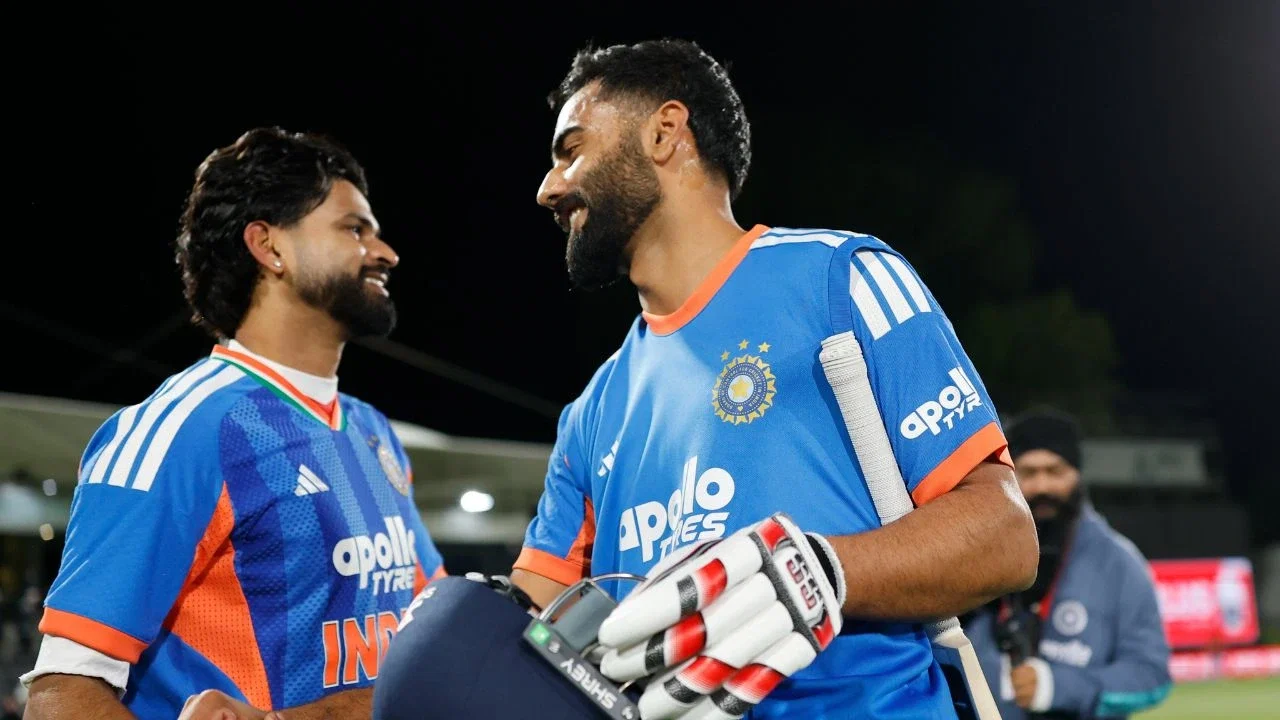
India’s highest T20I run-chases: Top 5 successful pursuits
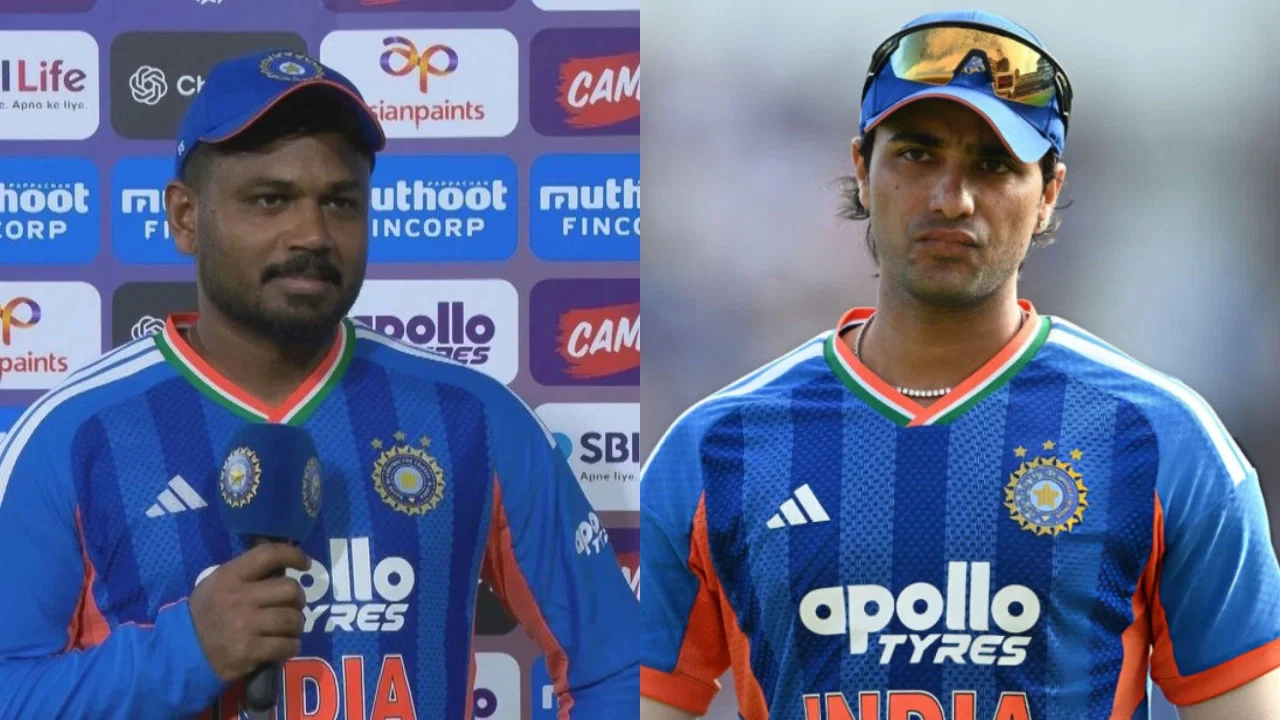
“I like batting with him”: Sanju Samson explains his understanding with Abhishek Sharma after winning POTM
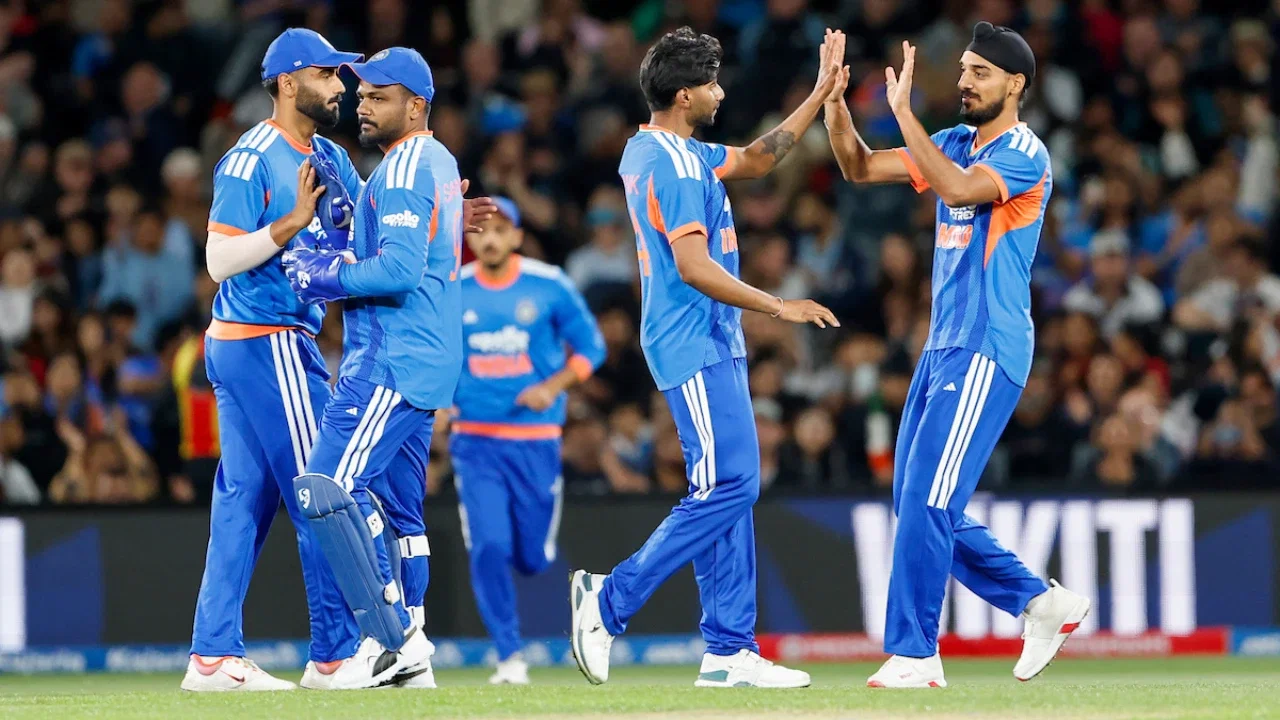
India bowlers create unwanted record against New Zealand in 1st T20I
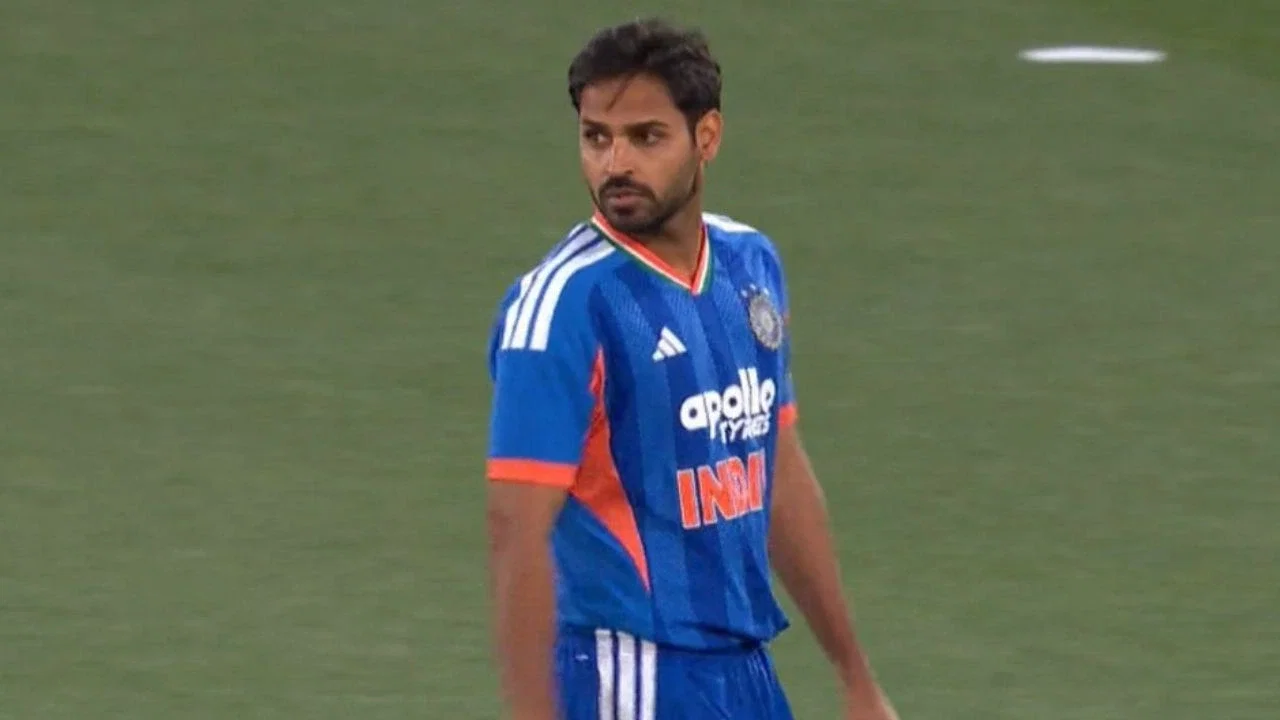
Bhuvneshwar Kumar breaks 89-match streak with first T20I no-ball against New Zealand
Bhuvneshwar Kumar sets world record on India comeback, surpasses Tim Southee
Watch: Abhishek Sharma turns Babar Azam, drops a dolly in 1st T20I vs New Zealand
Full list of Indian cricketers with 100 T20I matches, ft Arshdeep Singh, Virat Kohli