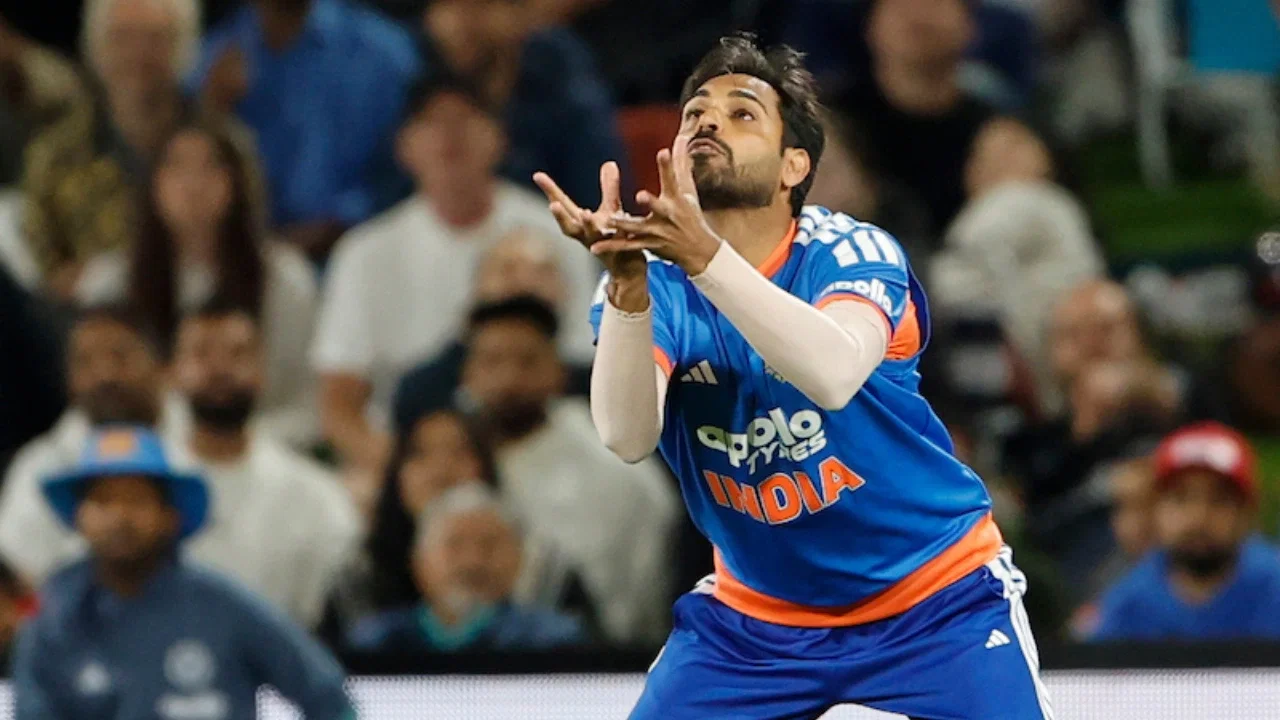
India bowlers create unwanted record against New Zealand in 1st T20I
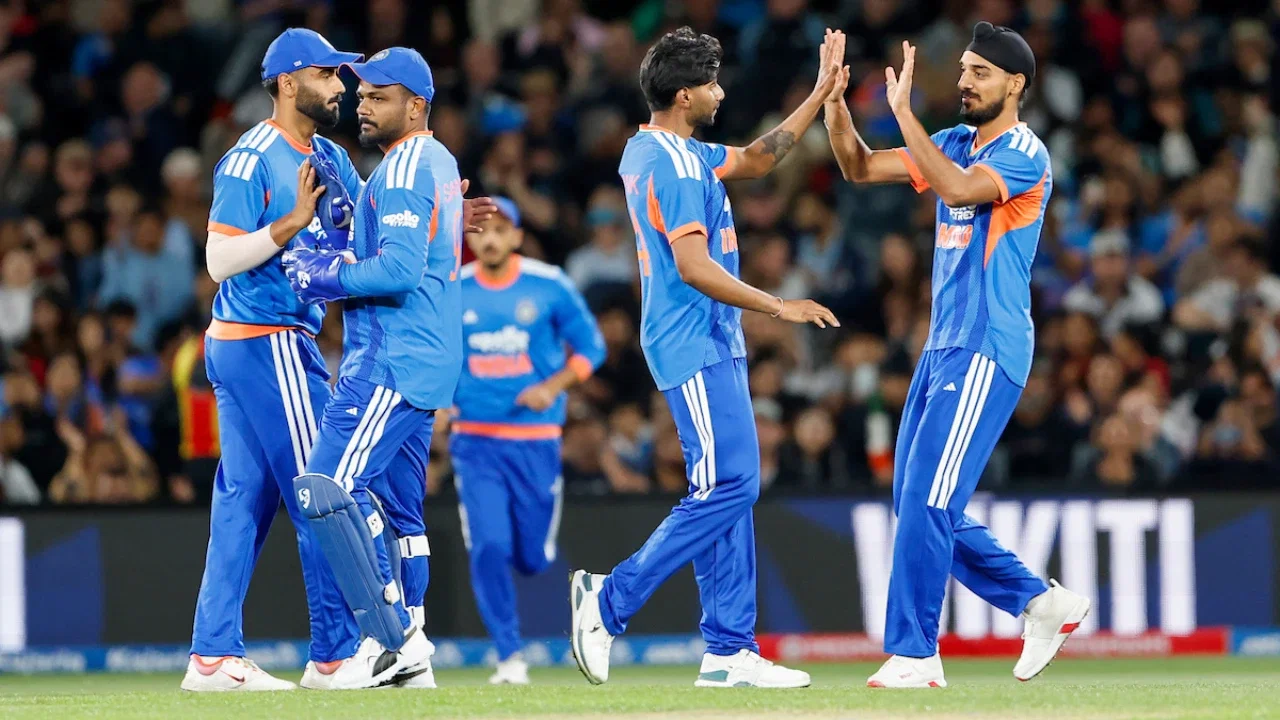
New Zealand Post 225/4 Against India as Five Indian Bowlers Concede 40-Plus Runs
New Zealand made a powerful statement in the opening match of their five-game T20I series against India, piling up 225/4 at Hagley Oval in Christchurch on Thursday, October 22. An aggressive start, a commanding innings from Glenn Phillips and a late surge from Bevon Jacobs pushed the hosts to a formidable total and left India’s bowling attack searching for answers.
The innings also produced a rare unwanted milestone for India. For the first time in the team’s 19-year T20I history, five Indian bowlers conceded at least 40 runs in the same match. New Zealand’s score was their highest in a bilateral T20I against India, and their joint-highest total against the visitors in the format.
Seifert and Allen put India under early pressure
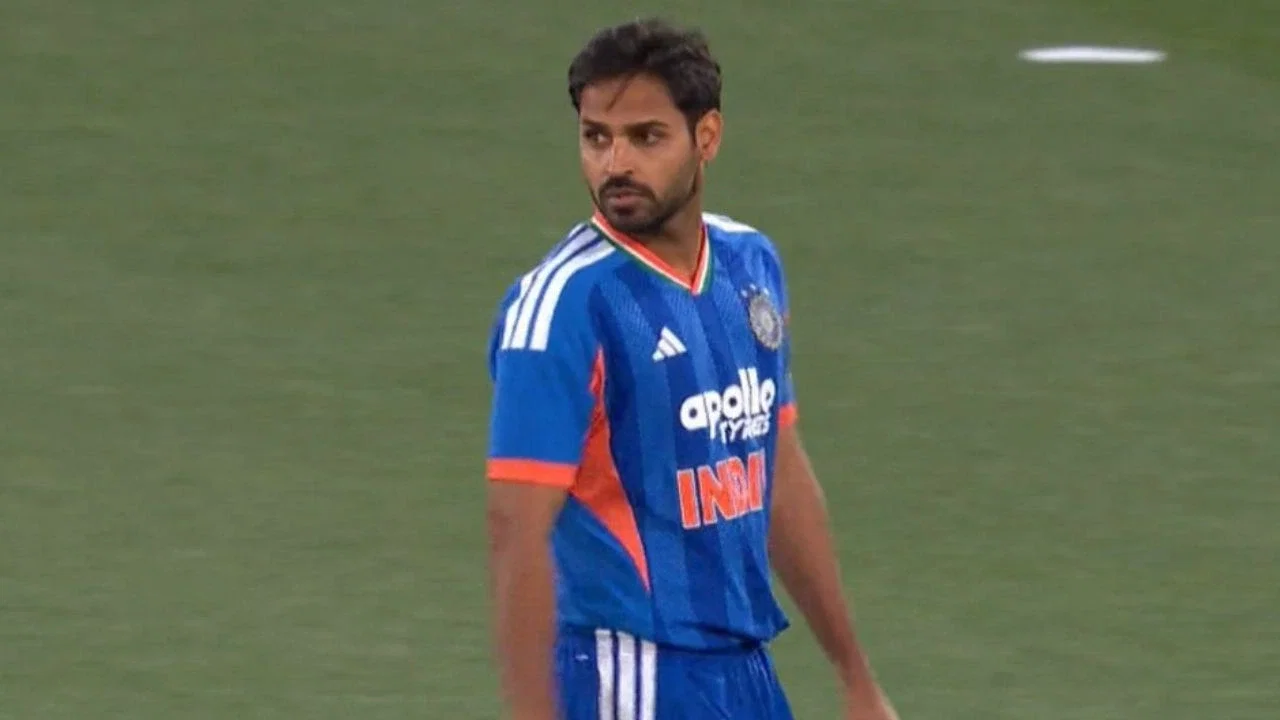
New Zealand began with intent despite some early movement for the Indian seamers. Bhuvneshwar Kumar, returning to the side after nearly four years, initially looked composed, but Tim Seifert quickly shifted the momentum. In Bhuvneshwar’s second over, Seifert struck two boundaries and a six as the hosts collected 17 runs.
Finn Allen followed with an equally forceful assault on Arshdeep Singh, taking another 17 runs from the over. The early hitting gave New Zealand the freedom to attack rather than settle into a cautious start. India finally made a breakthrough in the fifth over when Mayank Yadav dismissed Seifert for 24.
Allen, however, continued to dictate the tempo. He targeted Axar Patel, striking two sixes alongside Daryl Mitchell as New Zealand raced to 65/1 at the end of the powerplay. Axar eventually removed Allen in the eighth over for 45. Tilak Varma completed the dismissal with an excellent catch, but the opener had already supplied the innings with a rapid foundation.
Phillips anchors a decisive late assault
With Allen gone, Daryl Mitchell and Glenn Phillips worked to maintain the scoring rate. Arshdeep sent Mitchell back in the 13th over, leaving New Zealand at 122/3, but India could not turn that wicket into a sustained slowdown.
Phillips took charge, combining power with calculated placement as he found the boundary regularly. Bevon Jacobs provided an explosive finish at the other end, and the pair added 73 runs from just 32 deliveries. Jacobs made 31 from 16 balls, including three sixes, before being run out in the 18th over.
Phillips remained unbeaten on 82 from 40 deliveries. His innings featured eight fours and three sixes, delivered at a strike rate of 205. The partnership ensured New Zealand finished strongly, adding 67 runs in the final five overs and carrying the total to 225/4.
India’s bowling figures reveal the scale of the challenge
Axar was India’s most expensive bowler, conceding 51 runs from his four overs at an economy rate of 12.75. Bhuvneshwar gave up 49 without taking a wicket, while Arshdeep finished with 45 runs conceded and the important wicket of Mitchell.
Mayank Yadav and Nitish were comparatively more economical, but they also conceded 40 runs apiece from their four-over allocations. The figures underline how consistently New Zealand’s batters found ways to score, whether through the powerplay, the middle overs or the closing stages.
India’s unusual record was not simply the result of one costly spell. New Zealand kept the pressure on by attacking different bowlers at different points in the innings. Seifert and Allen made the most of the fielding restrictions, while Phillips and Jacobs ensured the scoring rate surged again after India had taken wickets.
What the total means for the series
A target of 226 placed India’s batters in a demanding position, particularly against a New Zealand side that had built momentum throughout its innings. The hosts’ total also offered an early indication of the conditions at Hagley Oval: the surface allowed stroke-makers to play freely once they settled, while the short bursts of early swing were not enough to contain an aggressive approach.
For India, the innings provides clear areas to review before the next match. Managing the powerplay more effectively, limiting boundary opportunities against the middle-order hitters and executing yorkers or slower balls at the death could all prove important. New Zealand’s late acceleration showed how quickly a competitive total can become imposing when batters retain wickets for the final overs.
India’s response keeps the contest alive
Despite the difficult bowling performance, India’s batters made a strong attempt to chase down the target. Sanju Samson led the charge with 67 from 33 balls, while Naman Dhir added an unbeaten 42 from just 15 deliveries. Their contributions helped India cross the line with four wickets in hand in the final over.
The chase turned the opener into a high-scoring contest rather than a one-sided result. New Zealand’s 225/4 highlighted the threat posed by their top order and Phillips’ finishing ability, while India’s successful pursuit demonstrated the depth and firepower in their batting lineup. For fans following the series prediction, the opening match offered an early reminder that totals above 220 may not guarantee victory when both teams can attack with such intent.
With the series now underway, the key question is whether India can sharpen its bowling plans without losing the aggression that powered the chase. New Zealand, meanwhile, will look to build on its explosive start and maintain pressure across all phases. The first match has set a demanding benchmark—and raised expectations for another closely fought encounter.
Latest News

Watch: Nitish Kumar Reddy suffers brain-fade, embarrasses himself with catch celebration off free-hit vs NZ

Tilak Varma labelled “fraud” as angry fans bash him for “one of the worst T20 knocks” in 1st NZ T20I
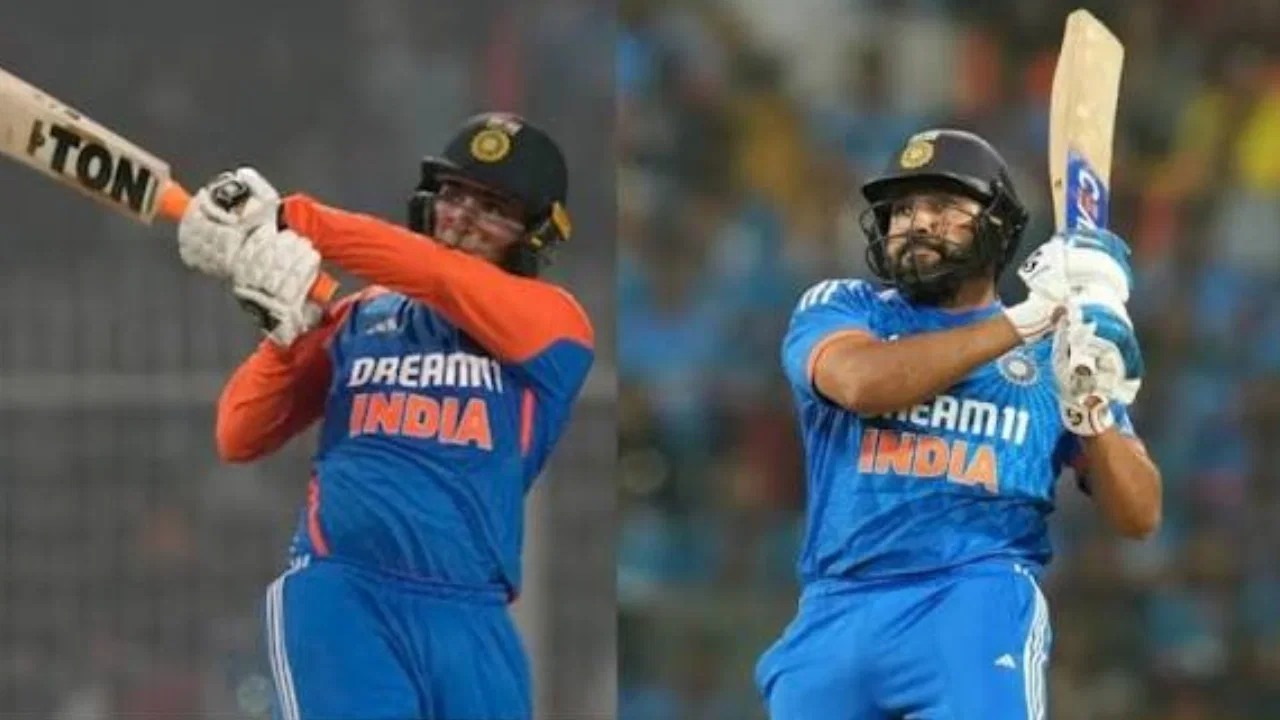
Abhishek Sharma breaks Rohit Sharma’s six-hitting record to go No. 1
Bangladesh spinner Aliss Al Islam reported for suspect bowling action after ODI debut
Joe Root scripts history with 8,000 ODI runs, joins elite international club
“Know exactly what they’re doing”: Shreyas Iyer praises India’s batters after record chase against New Zealand

Harry Brook scripts history, surpasses Shubman Gill with record-breaking double century
India’s highest T20I run-chases: Top 5 successful pursuits

“I like batting with him”: Sanju Samson explains his understanding with Abhishek Sharma after winning POTM
India bowlers create unwanted record against New Zealand in 1st T20I
Bhuvneshwar Kumar breaks 89-match streak with first T20I no-ball against New Zealand
Bhuvneshwar Kumar sets world record on India comeback, surpasses Tim Southee

Watch: Abhishek Sharma turns Babar Azam, drops a dolly in 1st T20I vs New Zealand

Full list of Indian cricketers with 100 T20I matches, ft Arshdeep Singh, Virat Kohli